Downsizing on the Grand Strand, at your pace.
Selling the home you've lived in for years and moving to something smaller is a different sale — slower to decide, heavier on paperwork, and tangled up with taxes that change at 65. Robin Smith holds the National Association of REALTORS® designation for exactly this move, and works it from a Surfside Beach desk.
What SRES® means, in their words.
“The Seniors Real Estate Specialist® (SRES®) designation is for REALTORS® who want to be able to meet the special needs of maturing Americans when selling, buying, relocating, or refinancing residential or investment properties.”
What the letters mean
A designation from the National Association of REALTORS® for agents trained in the moves people make later in life — selling a long-held home, buying the next one, relocating near family, or staying put and refinancing. Robin holds it.
What changes at the table
The pace. Pricing is done by hand from truly comparable sales, not an estimator. Staging is a walk through the house together, room by room. Negotiation happens at three points — the offer, after the inspection, and possibly after the appraisal — and Robin is at all three. Bring whoever helps you decide.
Where she has done it
Robin has listed and sold homes in Del Webb at Grande Dunes and Cresswind at Market Common, and represented buyers in both — the communities on this coast built with this move in mind. The closings are below, with prices.
The six questions every downsizer asks — answered plainly, with the source.
Sell first, or buy first?
Should I sell first, or buy first?
There are three ways to do this, and none of them is wrong. Sell first, and you know exactly what you have to spend before you write an offer — but you may need somewhere to land in between. Buy first, and you move once, on your own timetable — but you carry two homes for a while, which is the thing most people on a fixed income want to avoid. Or write the next offer contingent on this sale, which the seller of that home will weigh against any offer that isn't.
Which one fits depends on three things you can settle before anything is signed: how flexible your move-out date is, whether the next home is already picked out, and whether this house is your primary residence or a second home — because that last one changes the tax picture entirely. Robin walks through all three with you at the start, before a price is ever discussed.
Read nextIs now the right time? — the selling guideAsk Robin what it's worth
What would I net?
What is my home worth today — and what would I actually keep?
Two different numbers, and the second is the one that decides the next chapter. What it's worth is a comparative market analysis: recent, truly comparable sales in your neighborhood, adjusted for the lot, the updates, the community — pulled by hand, not by a website that has never seen the street. Robin prepares one when you ask, with no obligation.
What you keep is the sale price minus the real costs: the commission you negotiate, South Carolina's deed recording fee, your closing attorney, your mortgage payoff if there is one, and the prorations and credits that get settled at closing. The net sheet on this site runs that arithmetic for you, line by line, from any price you type in — so you can see what a smaller house would leave you with before you decide anything.
Read nextAsk Robin what it's worth todayRun the net sheet yourself
Property taxes at 65
What happens to my property taxes when I turn 65?
South Carolina exempts the first $50,000 of your home's fair market value from county, municipal, school and special-assessment property taxes once you are 65 — provided you've been a South Carolina resident for at least a year and reached 65 on or before December 31. Where spouses own jointly, either one qualifying is enough, and a surviving spouse keeps it while the home stays their legal residence. The same exemption reaches people classified as totally and permanently disabled, and the legally blind.
Two things trip up downsizers. The homestead exemption is not the same as the 4% owner-occupied assessment ratio — they are separate applications at separate Horry County offices, and in Horry County the homestead exemption is applied for in person at the Auditor's office. And the 4% ratio does not move with you: when you buy the smaller house, you apply for it again, before the first penalty date, or the new home is assessed at 6% until you do.
Read nextThe 4% vs. 6% ratio, and the deadlineThe SC provisions that attach to age, not the address
Tax on decades of gain
Will I owe tax on the gain from a home I've owned for decades?
If it's your primary residence and you've owned it and lived in it for at least 24 of the last 60 months, federal law lets you exclude up to $250,000 of gain from capital gains tax — $500,000 for a married couple filing jointly. For many sellers here that is the whole gain, and they owe nothing. On a home held for thirty years the gain can run past the exclusion, and the part above it is taxable — which is exactly the number to have in hand before you set a list price, not after.
A second home or an investment property does not get that federal exclusion. South Carolina allows a deduction of 44% of net capital gain from state taxable income, whichever kind of property it is. Robin is a Realtor, not a CPA: she'll make sure you know which situation you're in, and the tax professional makes the calculation.
Which community fits?
Which communities fit this stage — and how do I know a “55+” label is real?
Start with what you're actually shopping for, not the label: one level, a yard someone else cuts, the drive to your doctors and to the nearest hospital, an airport within reach for the grandchildren, and monthly dues you've read the budget behind. Robin has listed and sold in Del Webb at Grande Dunes and Cresswind at Market Common, and represented buyers in both — the communities on this coast built with this move in mind — and she'll tell you plainly which ones answer your list and which don't.
As for the label: “55+” is a legal status under the federal Housing for Older Persons Act, not a description of the atmosphere. A community has to keep at least 80 percent of its occupied homes occupied by someone 55 or older, publish its age policies, and re-verify ages at least every two years — and it can lose the status if it stops. Robin doesn't publish a ranked list, because the honest way to check is per community, at the time you're buying: the recorded covenants, the association's published policies, and its current verification survey. She pulls all three before you write an offer.
Read nextThe 55+ communities post — how the status worksThe Grand Strand's communities, side by side
Sale and purchase together
How do you run the sale and the purchase at the same time?
In the order South Carolina sets, with one person holding both. On the sale: a price from the comparables, the house staged room by room before the photographer comes, professional pictures, open houses, and three rounds of negotiation with Robin at the table for each. On the purchase: the same eyes on the next home — its covenants, its dues, its flood zone, its tax ratio — so that the two closings are planned together rather than colliding.
The paperwork is where a move like this gets heavy, and it's the part clients mention most: the disclosure form, the inspection and repair addendum, the appraisal, the attorney's file on each side. Robin's transaction department keeps both timelines on schedule to closing day. You are welcome to have your children, your attorney or your financial advisor on any call — the decision is yours, and the room can hold whoever you want in it.
Read nextThe eight stages, in South Carolina's orderThe coastal prep checklist
Del Webb at Grande Dunes. Cresswind at Market Common.
Homes she has listed and sold, and buyers she has represented, in the two communities on this coast built with a later-in-life move in mind.
- Sold
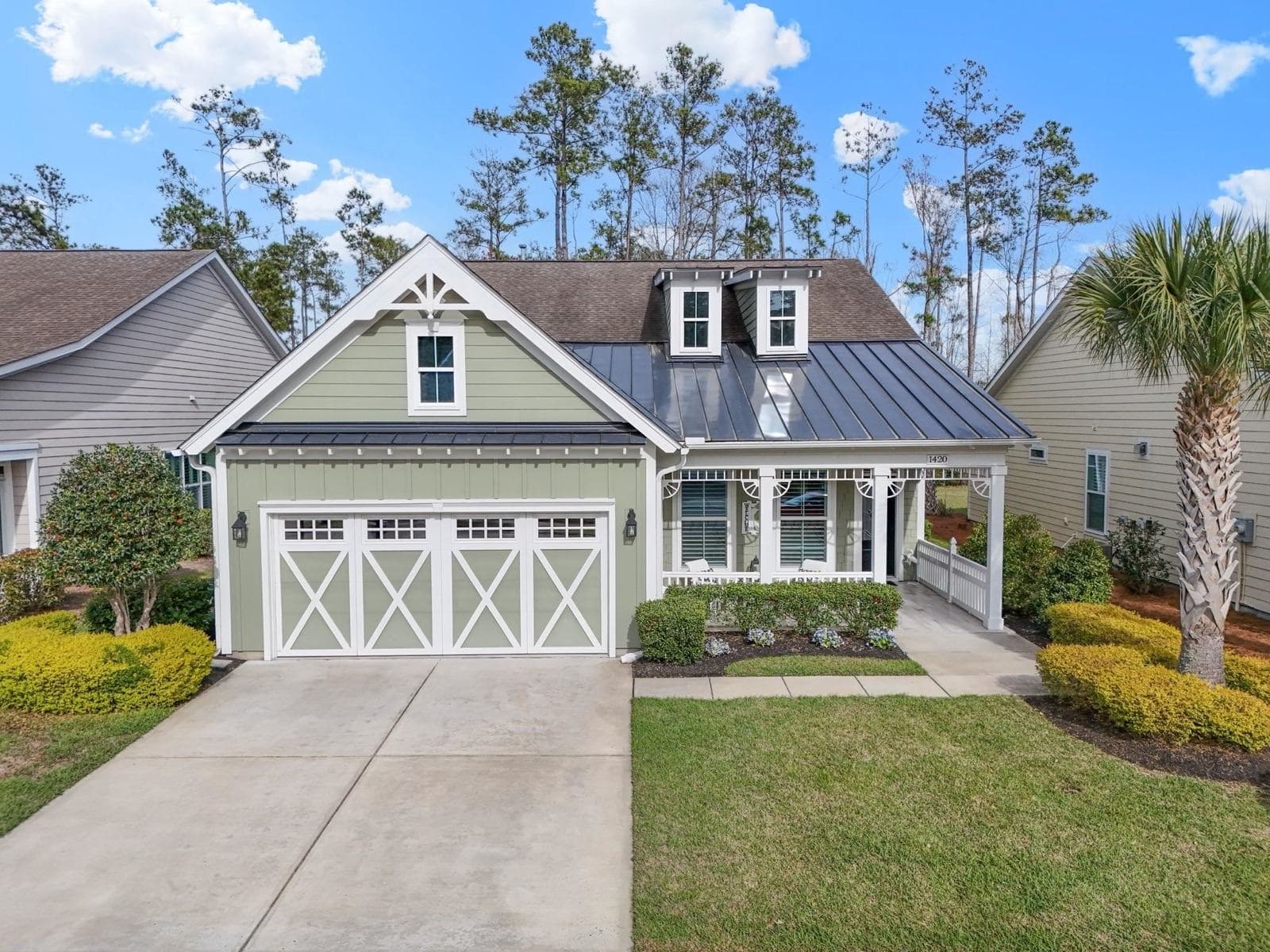
1420 Suncrest Dr.$540,000
Cresswind at Market Common · Sold April 2026
 Sold
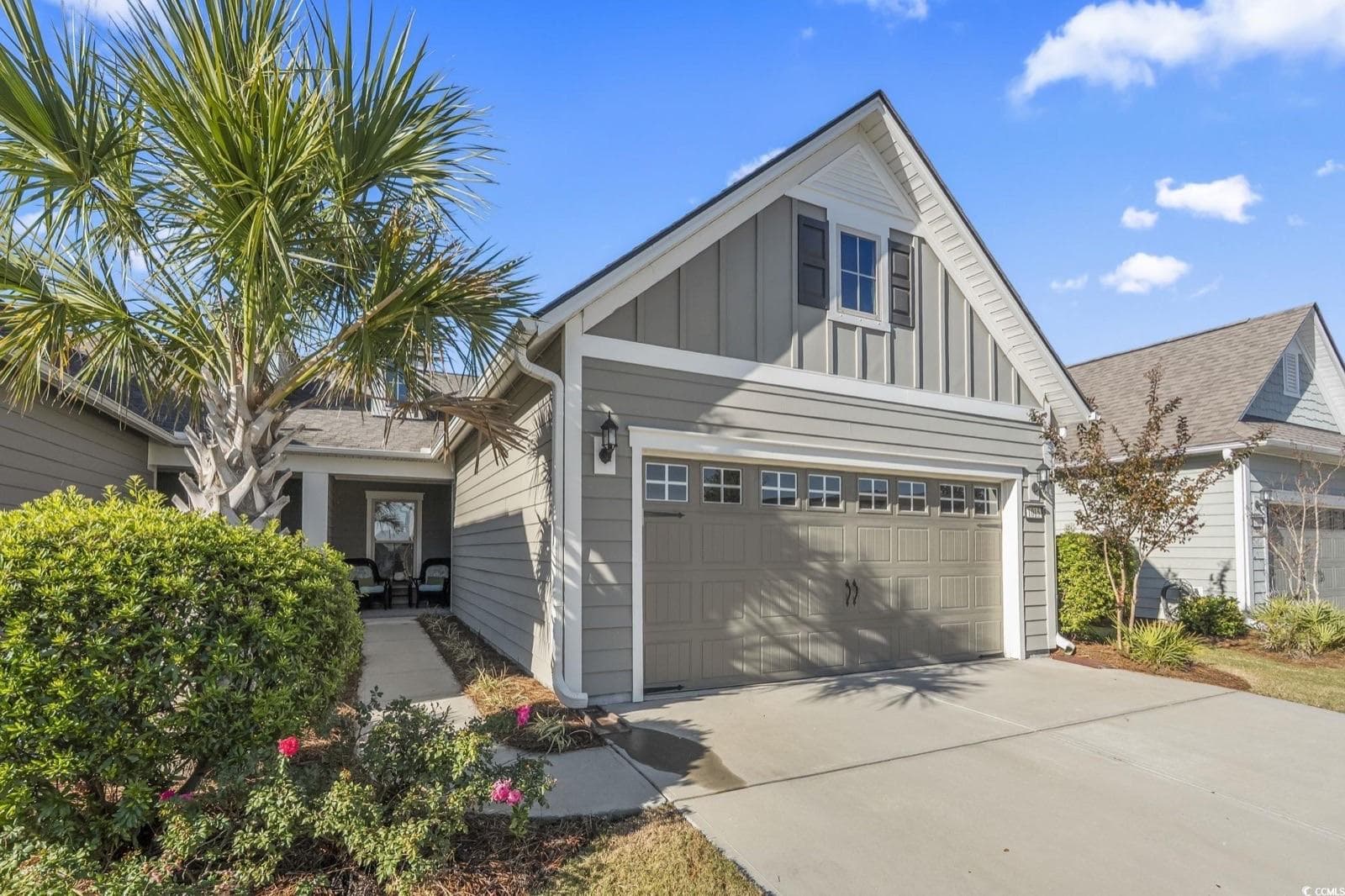
Sold1015 Anrea St.$495,000
Del Webb at Grande Dunes · Sold December 2025
 Sold
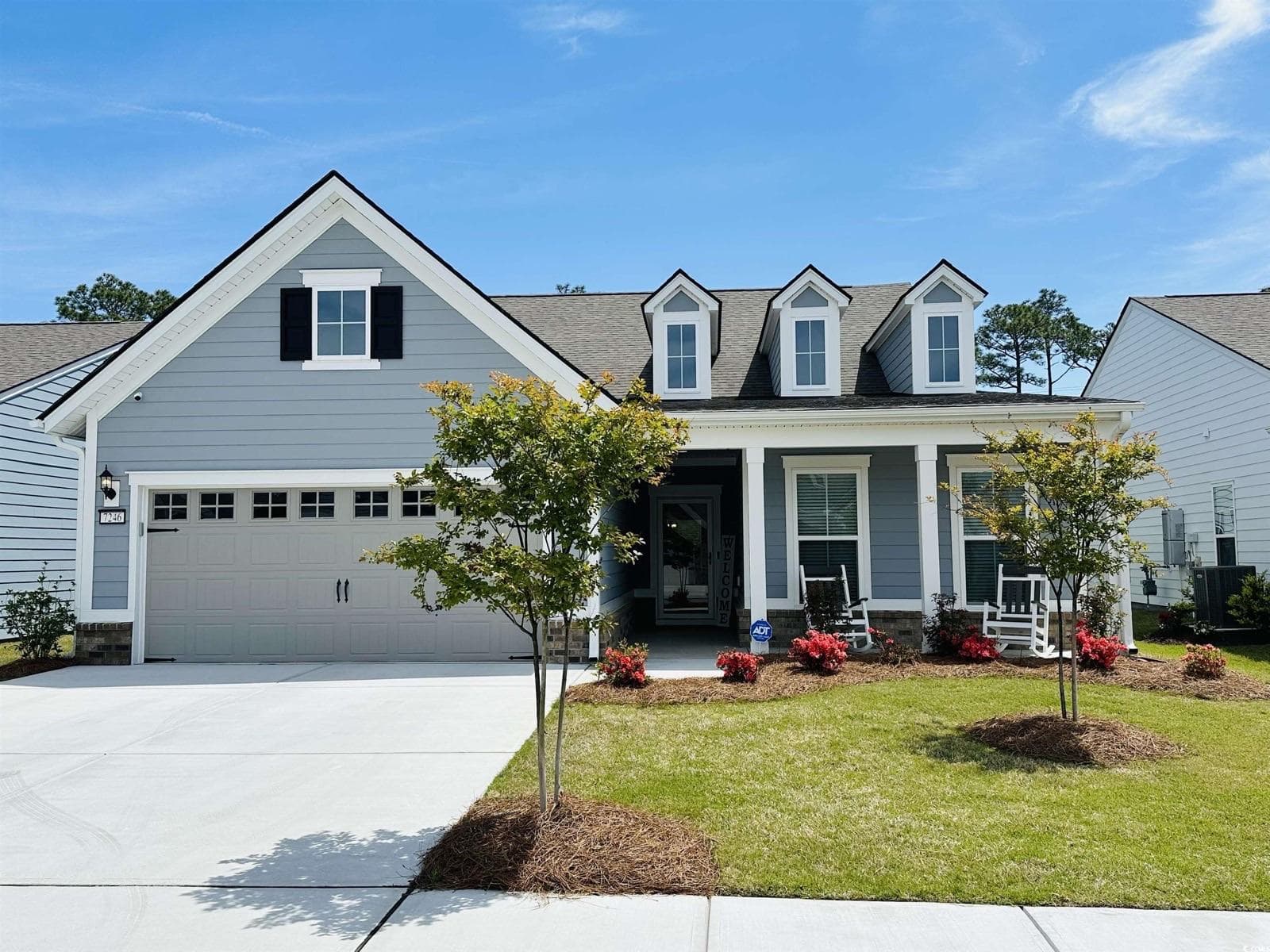
Sold7246 Sarteano Dr.$720,000
Del Webb at Grande Dunes · Sold June 2025
Buyers Robin represented in the same communities
- 1384 Suncrest Dr. · Cresswind at Market CommonClosed August 2026 · $430,000
- 6397 Cascata Dr. · Del Webb at Grande DunesClosed October 2025 · $590,000
- 7135 Sarteano Dr. · Del Webb at Grande DunesClosed February 2025 · $820,000
Both halves of the move, one person.
From a client whose sale and purchase Robin handled together — part of it while they were still out of state.
“Robin handled the sale of our property and also the buying part of our new property. We were out of state when we were looking for our new house and Robin helped ease our anxiety of where to buy by checking out different properties and doing an extensive video and giving her professional opinion on each property. The communication was excellent and if anyone asks me for a name of a realtor, I don’t even hesitate on giving them Robin’s info.”
Robin Smith is a licensed South Carolina Realtor with Weichert, Realtors® – Southern Coast, not an attorney or a CPA. The tax provisions above are quoted from the published guides they link to, each of which cites the statute; take them to a South Carolina tax professional for your own return. Or call (845) 774-5513(845) 774-5513 and start with the conversation.
What would you keep if you sold?
Tell Robin about the house and she'll prepare a market-based number by hand — and walk you to what you'd net.