Selling a home on the Grand Strand, in the order it actually happens.
Eight stages from the day you start wondering to the day you hand over the keys — what happens at each one, what you'll sign and pay, and what Robin Smith does for you. Written for South Carolina, where a lot of the order is set by law.
Stage one starts here
What's your home worth?
Robin pulls the comparable sales herself — recent, truly comparable closings in your neighborhood. No automated report, no obligation.
Ask Robin for a numberOr call (845) 774-5513(845) 774-5513.
01
Decide if now is the right time
Before anything is signed
- You'll decide
- Move-out flexibility · contingent on your next home? · primary residence or second home
- You'll pay
- Nothing yet
What happens
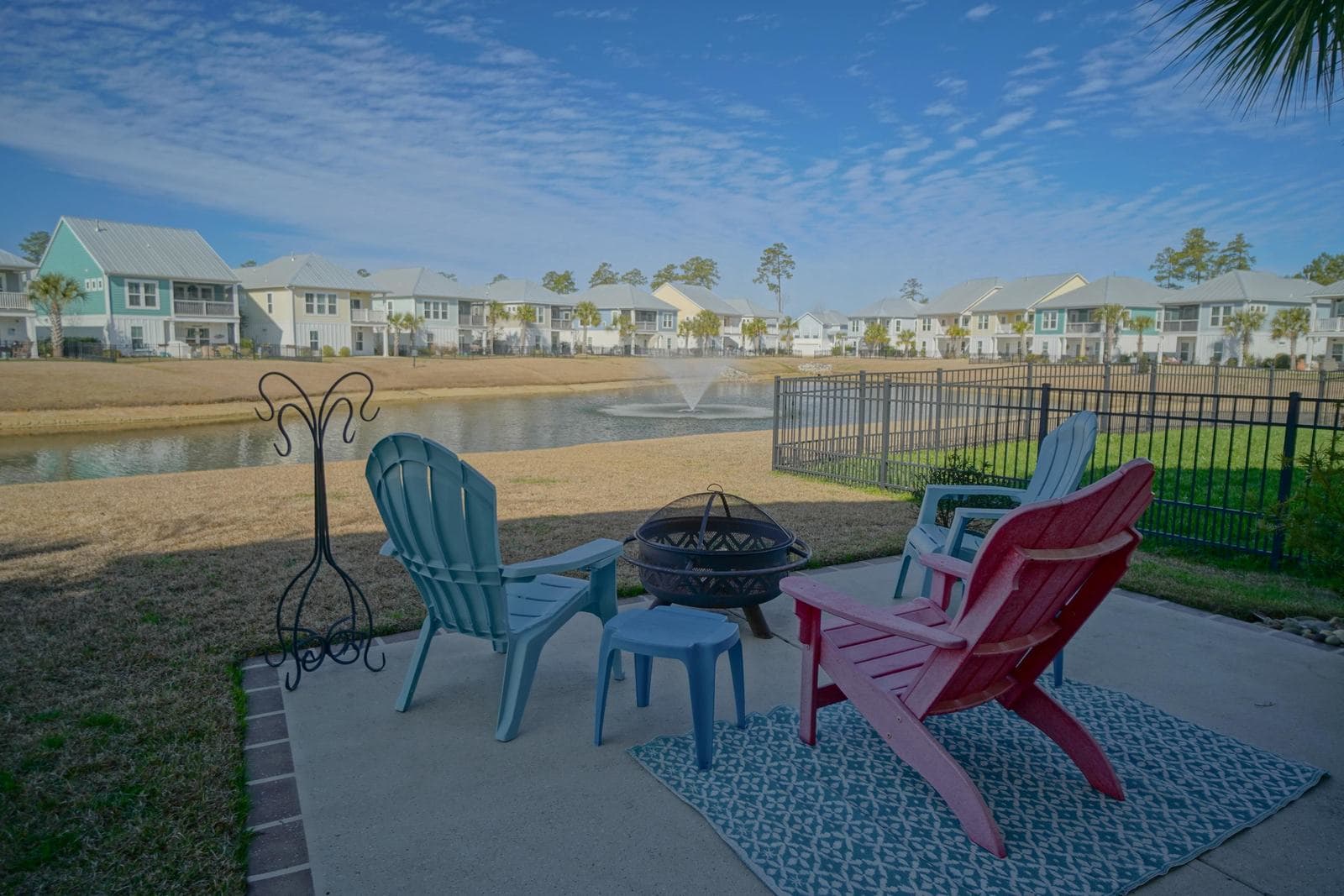
There's no single best month to sell here. Timing depends on your move-out flexibility, whether you're selling contingent on finding the next home, and whether this is your primary residence or a second home — which changes the tax picture entirely.
What you sign & pay
Nothing. This is a conversation — about your property type and area under current conditions, which is more useful than any seasonal rule.
Read nextIs now the right time? — selling guideThe tax picture for second homesAsk Robin what it's worth
02
Price it right, from day one
Listing agreement
- You'll sign
- The listing agreement — commission is negotiated here; there's no set rate
- You'll get
- A comparative market analysis, not an estimator's guess

What happens
Overpricing is the most common — and most expensive — mistake sellers make here. A home that sits overpriced often sells for less than it would have at the right price on day one, because buyers and their agents notice a property that has been sitting.
What you sign & pay
The listing agreement. Your agent must be licensed by the South Carolina Real Estate Commission — you can verify any license on its public lookup.
 What Robin does
“Comparing recent home sales is just the beginning — you want to be able to compare apples to apples. Lot differences, home improvements, updates and communities all need to be taken into consideration. I take my time on every listing to price a home to sell.”
Read nextPricing — selling guide, step 3What you'd net at that priceHomes Robin has sold
03
Prepare the home and the paperwork
Before photos · before any contract
- You'll complete
- The SC Residential Property Condition Disclosure — delivered before the buyer signs
- You'll gather
- HOA declaration, bylaws and financials, if there's an HOA

What happens
Walk through the home the way a buyer would: declutter, handle the obvious repairs, and look hard at what a coastal climate makes worse — humidity marks, any sign of moisture, anything exposed to salt air.
What you sign & pay
The disclosure statement — water and sewer, roof and structure, mechanicals, wood-destroying insects, zoning, environmental hazards, rental agreements, HOA. A known issue you're unsure about is easier to handle now than after an inspector finds it.
What Robin does
“I help with the staging — what to clear out, what to move, what to leave exactly where it is. I'll go room by room with you and make suggestions, so the home is looking its very best before a single photo is taken.”
Read nextThe coastal prep checklistSC seller disclosure requirementsSelling in an HOA — the documents
04
The first showing happens on a phone
Photography day
- You'll do
- Lights on, counters clear, and be out while the photographer works
- You'll pay
- Ask Robin what the photography arrangement is
What happens
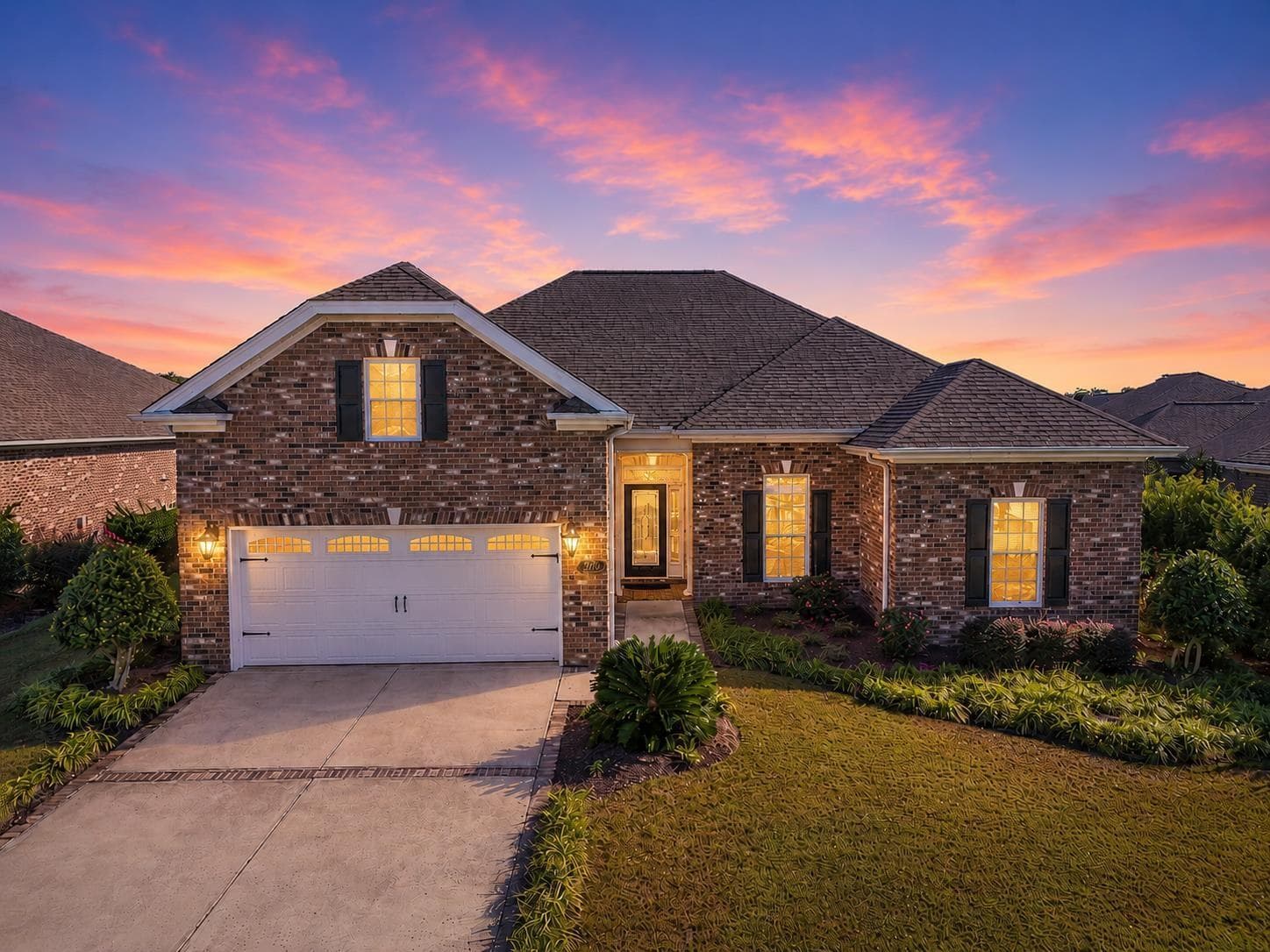
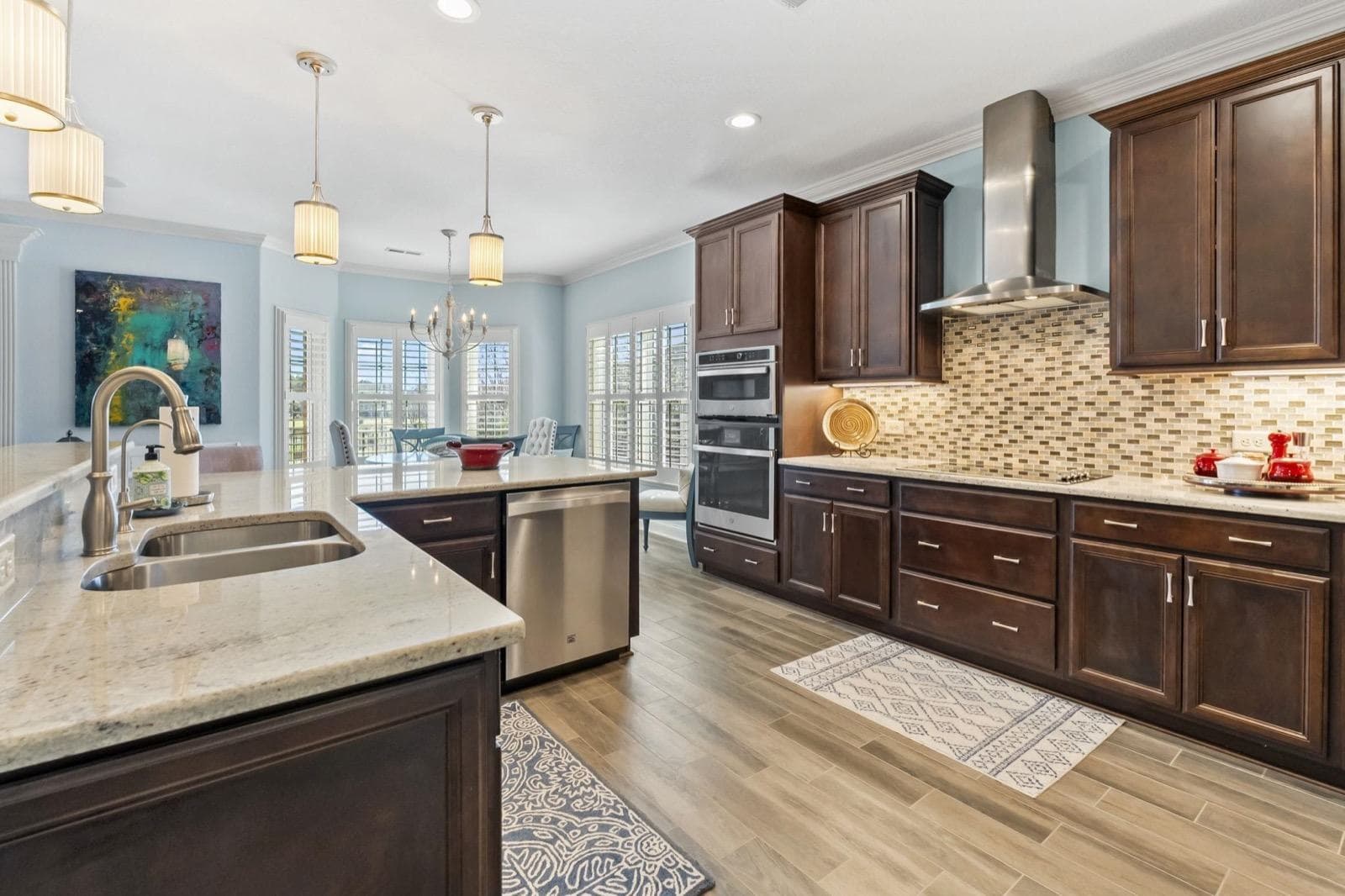
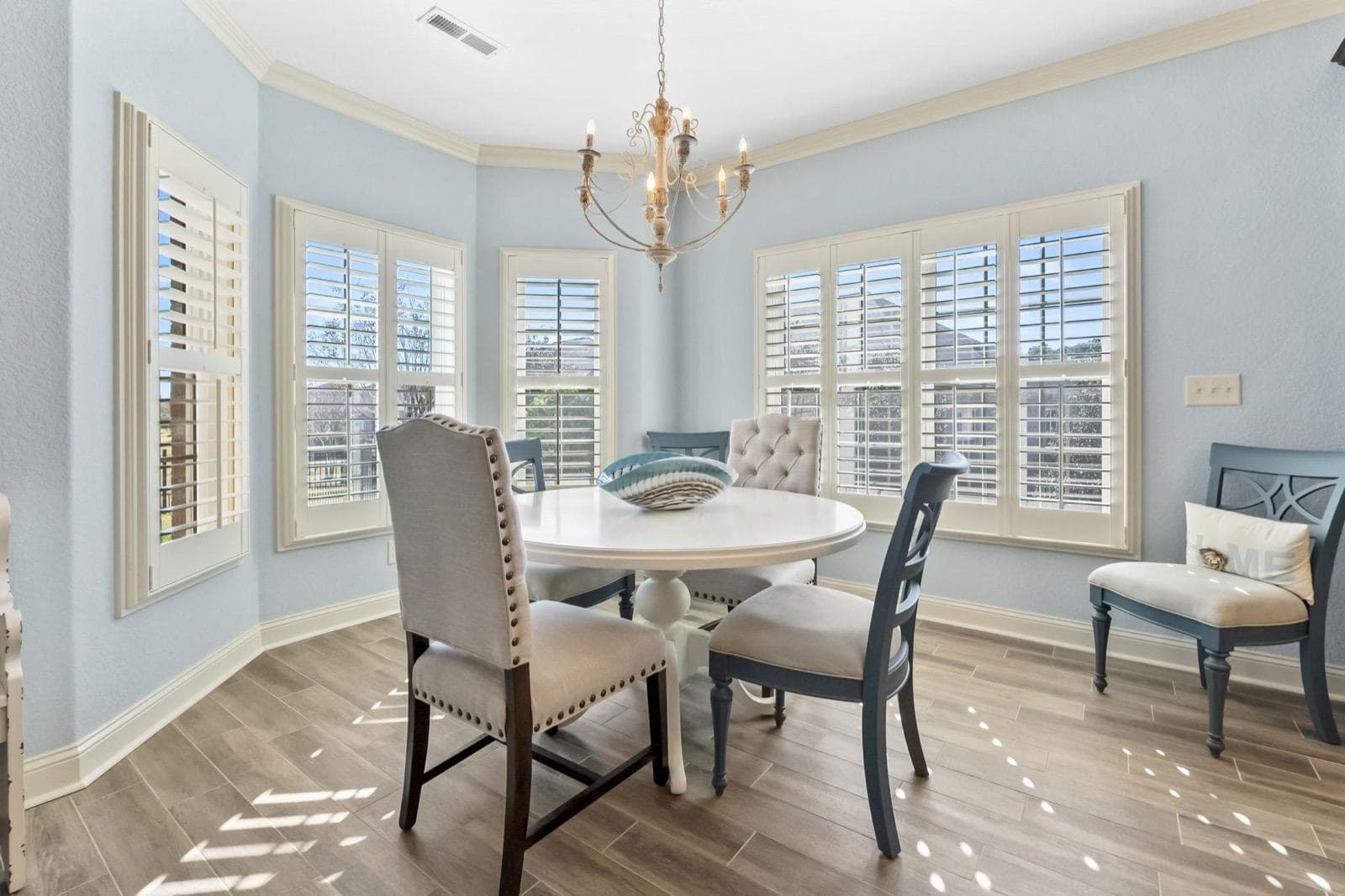
Buyers see your home online before they see it in person — and they decide from the pictures whether to book a showing at all. The photographs are the listing.
What you sign & pay
Nothing to sign. The photographer, the MLS entry and the listing pages are Robin's to arrange.
What Robin does
“Looking online is technically the first showing. When people fall in love with the pictures, they schedule an appointment. I work with the photographer to be sure pictures are perfect. Pictures are critical.”
05
Live: showings and the open house
On the market
- You'll do
- Keep it show-ready; say yes to showings when you can
- You'll see
- Showing activity, and what buyers say when they share it
What happens
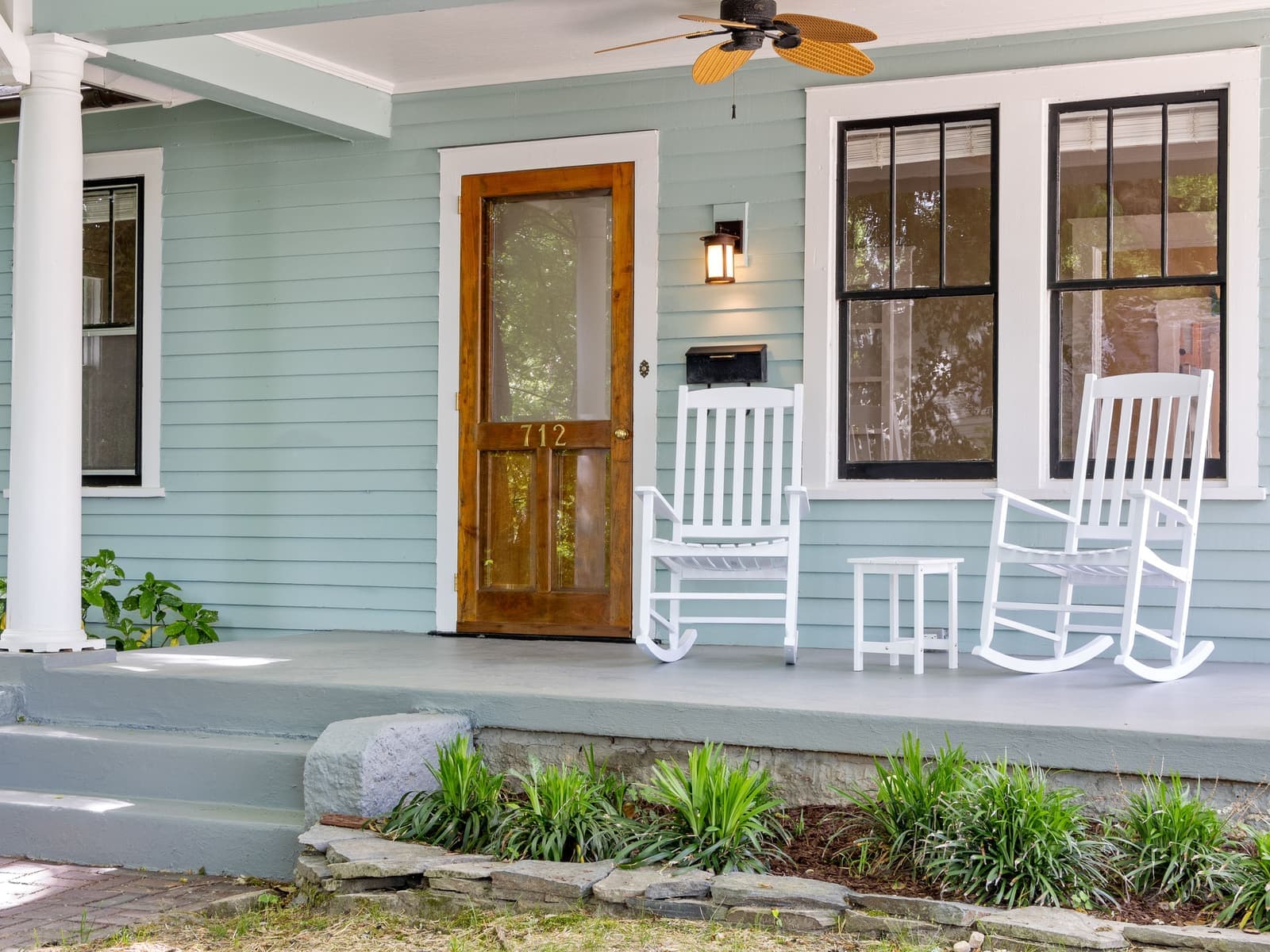
Showings come from the photos. The open house brings in people who are just starting to look — and tells the neighborhood the home is for sale.
What you sign & pay
Nothing at this stage. Any offer that comes in is written on the South Carolina contract and goes to you for a decision.
What Robin does
“Open houses are a great way for people to view your home who are just starting their search. It's also a great way for neighbors to know your home is listed and spread the word.”
Read nextThis weekend's open houses
06
Offers, and negotiation round one
Offer accepted → under contract
- You'll sign
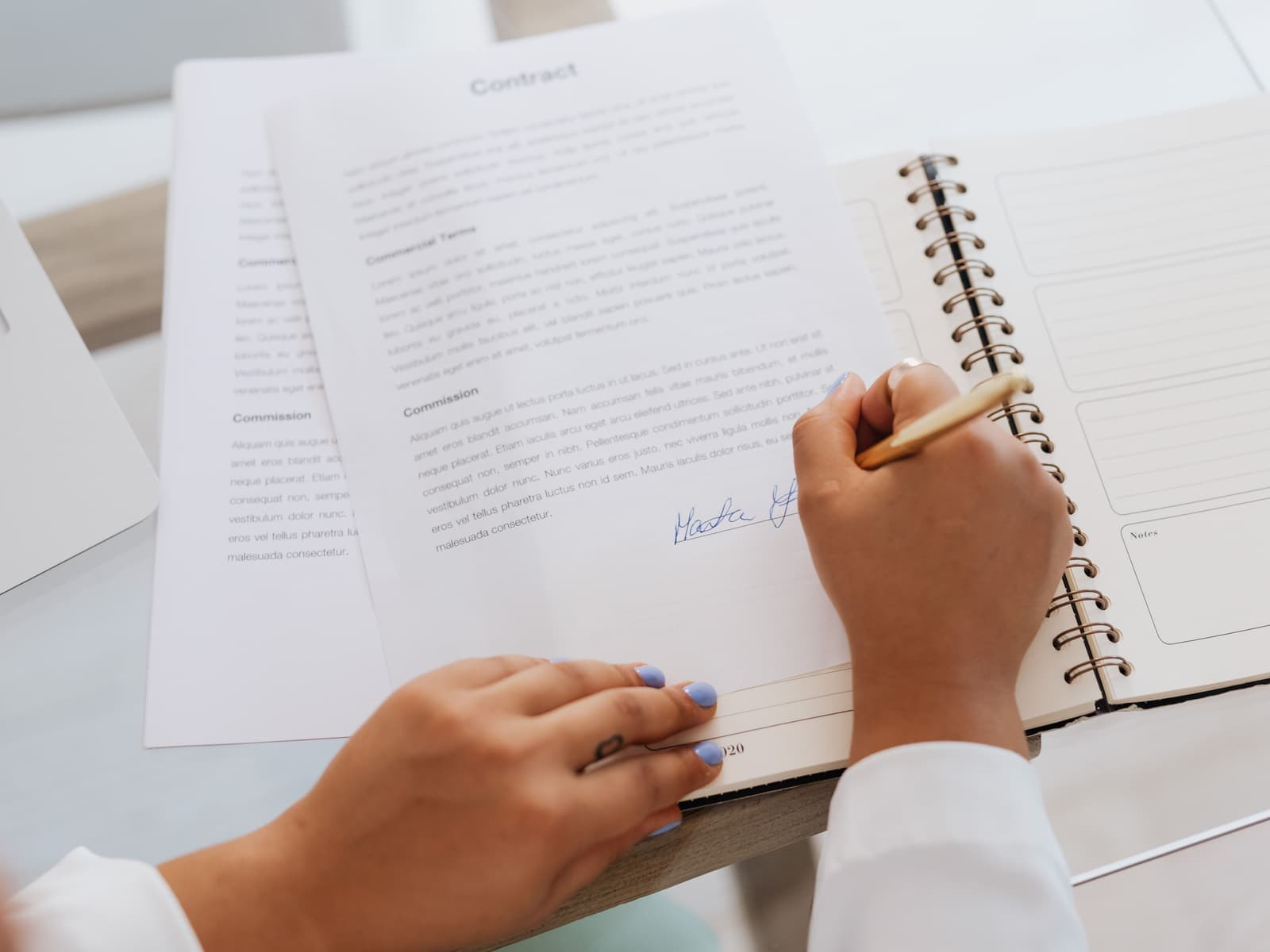
- The purchase contract, with its contingencies: financing, inspection, appraisal
- You'll call
- Your closing attorney — now, not the week of closing
What happens
Price is the first of three negotiations, not the last. Once you accept, South Carolina's standard due-diligence timeline starts and the buyer's inspector is usually the next person through the door.
What you sign & pay
The contract. Your attorney typically gets involved right after — starting the title search and preparing for closing — which gives them runway to catch title issues early.
What Robin does
“Once we get a contract, negotiations are important; there are three different times for negotiations: an offer price, after the home inspection and a repair addendum, and then again possibly after an appraisal.”
Read nextGoing under contract — selling guide, step 6Why South Carolina requires a closing attorney
07
Under contract: inspection, appraisal, title
Due diligence
- You may sign
- A repair addendum after the inspection; a price change after the appraisal
- You'll allow
- The home inspection, the termite inspection, the appraiser's visit
What happens
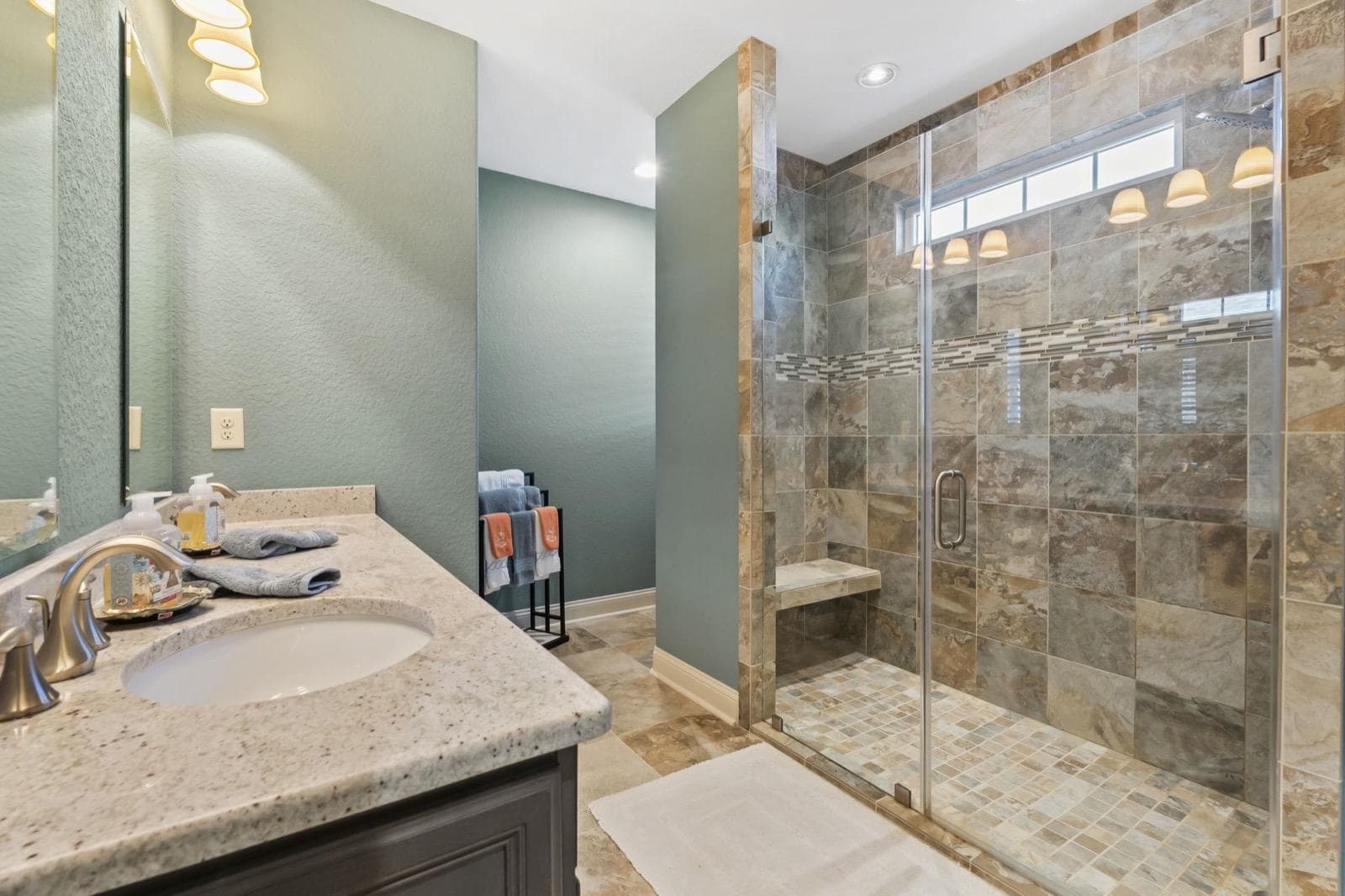
Rounds two and three. The buyer's inspection can produce a repair request; the lender's appraisal can come in under the contract price. Both are negotiations, and both are normal.
What you sign & pay
Any repairs or credits you agree to. Meanwhile your attorney runs title and prepares the closing statement — the real version of the net sheet.
What Robin does
“Moving towards closing: home inspections, termite inspections, appraisals... that's everything my transaction dept will take care of, making sure everything stays on schedule.”
Read nextFlood zones — what buyers' lenders askWind insurance on the coast
08
Closing day, at the attorney's office
Keys change hands
- You'll sign
- The deed and the closing statement
- You'll pay
- Commission · SC deed recording fee ($1.85 per $500) · attorney · payoff · prorations
What happens
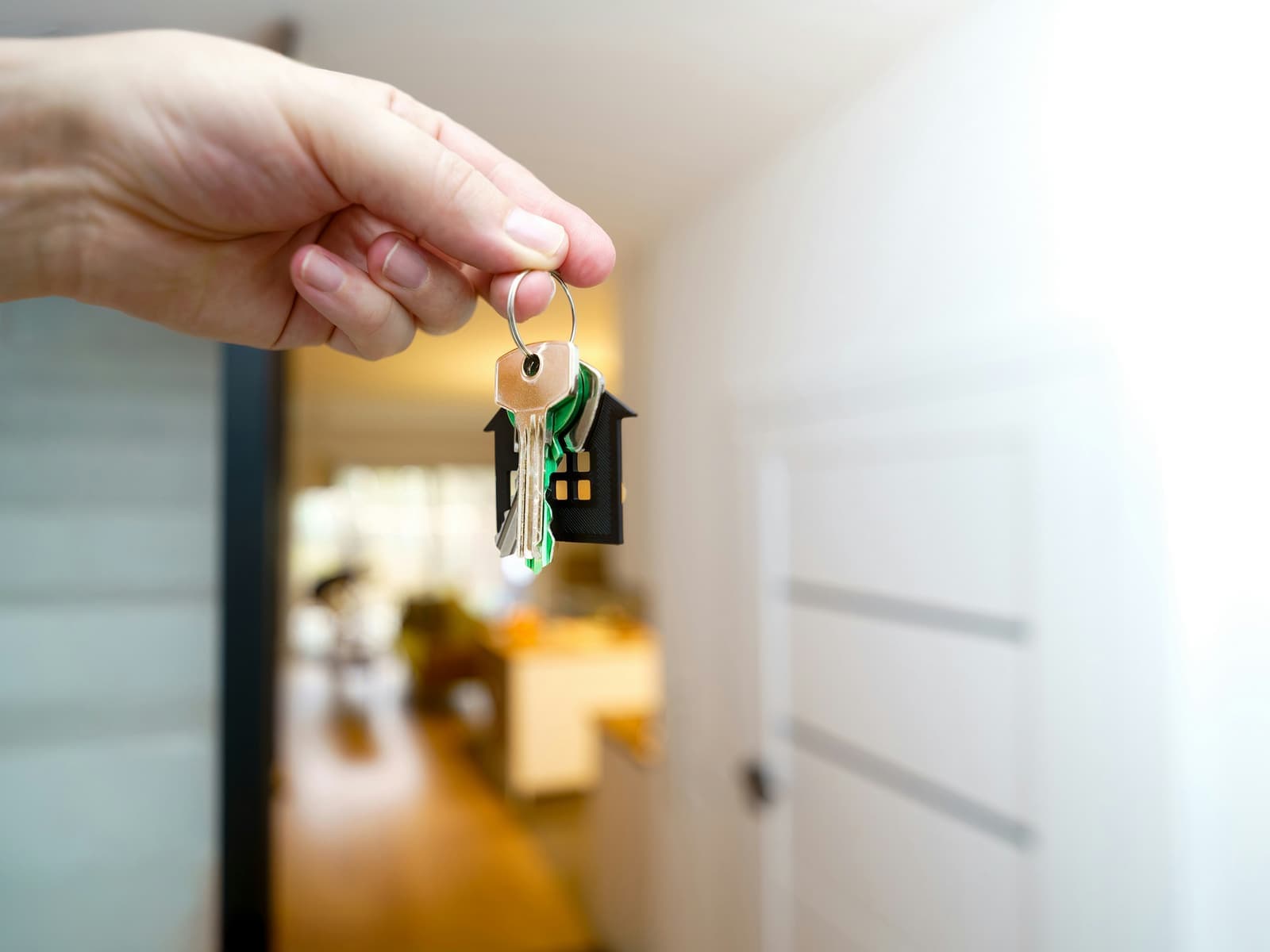
South Carolina closings are conducted by a licensed attorney. You'll sign, the buyer's funds land, the deed is recorded, and your proceeds are wired — sale price minus the handful of real costs.
What you sign & pay
The deed recording fee is the seller's by long-standing custom. Capital gains are a separate matter for your CPA — most primary-residence sellers here owe little or nothing.
What Robin does
“Making sure everything stays on schedule.”
Read nextWhat to bring to closing in SCYour net proceedsThe tax picture
What would your home sell for?
Tell Robin about the property and she'll prepare a market-based number by hand.