Conway
About Conway
Historic riverfront town with Southern charm, mature oaks, and a relaxed pace inland.
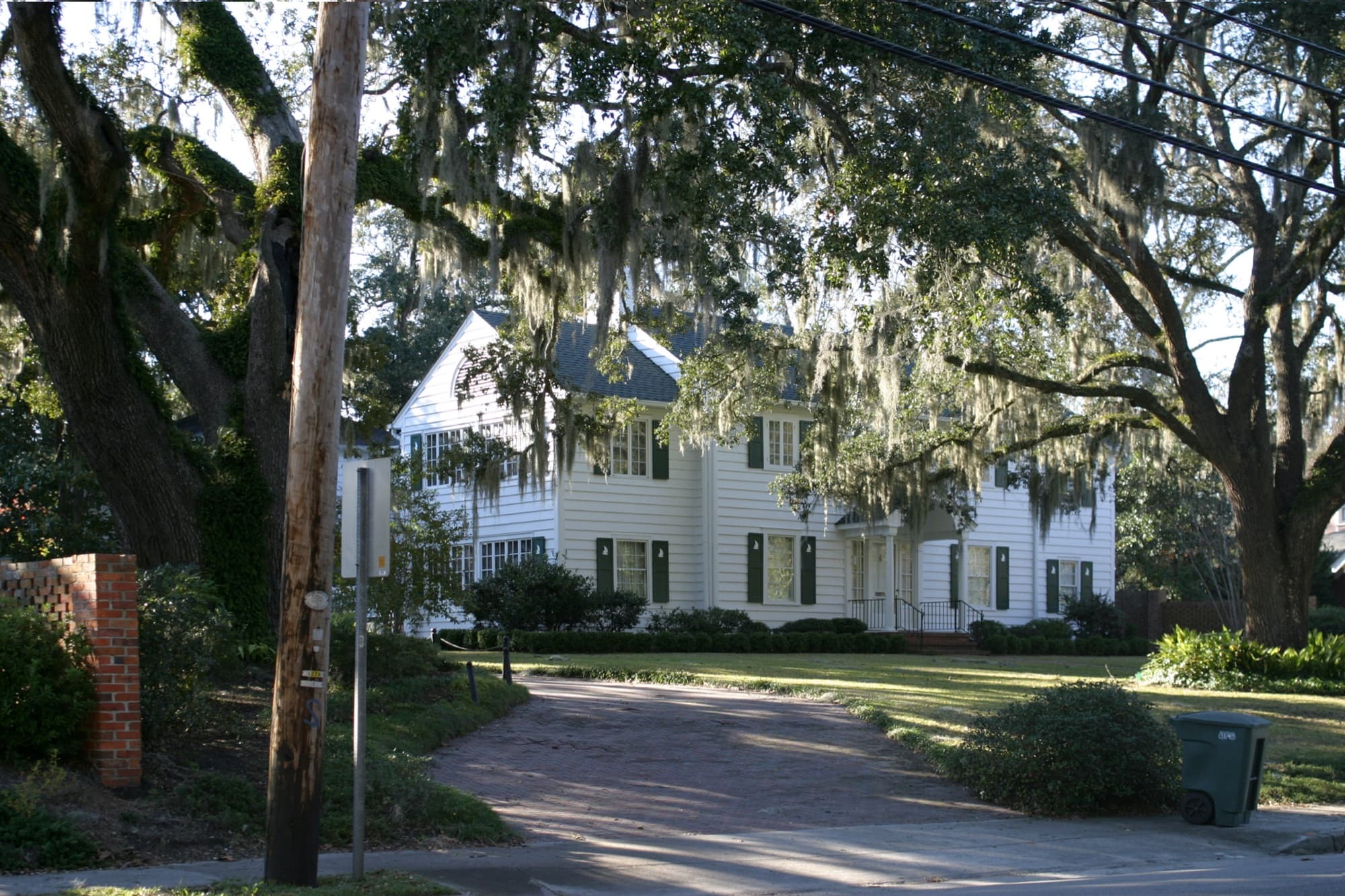
Conway is Horry County's seat and its historic anchor — founded around 1735 on a bluff of the Waccamaw River, known as Kingston Village before being renamed for local politician Robert Conway in the early 1800s. A walkable historic downtown, mature oak trees, and a noticeably slower pace set it apart from the coastal towns. It's also a college town: Coastal Carolina University's main campus, with 12,000+ students, adds a younger, year-round population you don't find in the smaller beach towns. It suits buyers who want more land and lower prices than coastal communities typically offer, in exchange for a short drive to the beach.
Life in Conway
Historic Downtown
Walkable, on the Waccamaw River, with mature oak trees
College Town Energy
Coastal Carolina University adds a younger, year-round population
Land & Value
More land and lower prices than the coastal towns, a short drive from the beach
What Conway offers
- More land than the coastal towns
- Lower prices than the beach communities
- A historic downtown on the river
Around Conway
Conway sits inland on the Waccamaw, a short drive from the oceanfront at Myrtle Beach and from North Myrtle Beach further up the coast — close enough that the beach is an afternoon, far enough that the pace, the tree cover and the lot sizes are all different.
Best Places to Live on the Grand Strand compares it directly with the beach towns. If you're moving in from out of state, start with the relocation guide; if you're weighing the inland tax picture against the coast, the Horry County property tax guide explains how a bill here is actually put together. Listings are in the Conway search.
Search homes for sale in Conway
Loading live MLS listings…
Questions about Conway
Short answers, with the full explanation one click away. General information, not legal, tax or insurance advice — South Carolina requires a licensed attorney to conduct your closing.
Is a home in Conway inside South Carolina's coastal area for wind insurance?
The test is statutory: § 38-75-310(5) draws Horry County's coastal area as everything east of US 17 or Bypass 17, whichever runs farther west. Conway sits well west of both, which puts it outside — so the wind exclusion is not permitted here and wind stays inside the homeowners policy on one deductible. Outside does not automatically mean a lower premium: what the total comes to is a question two quotes answer and no rule does. A specific address can sit on the far side of that road from the rest of its street, so the declarations page and your insurance agent settle it — not the town name. How wind and hail coverage works here →
Will I need flood insurance on a home in Conway?
That is a per-parcel question, not a per-town one — zones change block to block and sometimes lot to lot. What decides it is the FEMA flood zone for the specific parcel: inside a Special Flood Hazard Area (the A and V zones) federal law directs a regulated lender not to make, increase, extend or renew the loan unless the building is covered for the term of it. Zone X carries no federal mandate, though a lender may still require coverage as a matter of its own policy. Pull the zone for the actual address before you write an offer, never a neighborhood-level impression. Flood zones, decoded →
How is property tax figured on a home in Conway?
South Carolina assesses an owner-occupied legal residence at 4% and everything else — second homes, rentals, land — at 6%, under S.C. Code § 12-43-220. Those ratios are state law, so they apply the same in Horry and Georgetown counties. The 4% is not automatic: you have to apply for it, and the Horry County Assessor's guidance is blunt about the consequence of not doing so — an automatic 6% assessment. The rest of the bill depends on the taxing districts the parcel sits in, so ask the county assessor for the real figure on the real address before you rely on any of it. Horry County property taxes, explained →
What is different about buying inland in Conway?
Conway is a historic river town on the Waccamaw with a walkable downtown and a noticeably slower pace than the coastal towns, and it generally offers more land and lower prices than the beach communities do. It is also a college town — Coastal Carolina University's main campus, with more than 12,000 students, is based here, which brings year-round amenities the smaller beach towns do not have. The trade is a drive to the sand rather than a walk. Best Places to Live on the Grand Strand →
Thinking about Conway?
Robin lives and works the Grand Strand every week — ask her what the listings don't tell you.