I have sold houses in the Market Common area more times than I can count, and I would guess that maybe one in ten buyers actually knows what they're standing on. Not the dirt itself, but the history buried under those tree-lined streets, the boutique shops, and the lakes everybody photographs for their real estate listings.
This is one of the most successful military base redevelopments in the entire country, and almost nobody talks about it. So let's fix that.
Somewhere in this story there's a prisoner-of-war camp, a big-league baseball team, and a pilot whose name you've very likely driven past without knowing why. Hold onto that last one.
It Started as Grass Runways
Back in 1940, Myrtle Beach had a small municipal airport with a couple of grass landing strips. Then in November 1941, just weeks before Pearl Harbor, the War Department acquired roughly 6,700 acres, including that little airport, and the base became a place to train pilots and aircrews for World War II. It grew into what was called the Myrtle Beach Bombing and Gunnery Range, eventually expanding to a staggering 97,000 acres for training purposes. A small self-contained city sprang up almost overnight, nicknamed "Splinter City," full of hastily built wooden barracks, a hospital, offices, everything a base needs to function.
Here's a detail that surprises most people. During the war, a German prisoner of war camp operated right here, holding about six hundred POWs who worked at the airfield, in the local forest products industry, and on nearby farms. Several of those prisoners liked what they saw enough that after the war, they came back to the Grand Strand, started families, and their descendants still live here today. Sit with that one for a second.
It Closed. Then It Came Roaring Back. Then It Closed for Good.
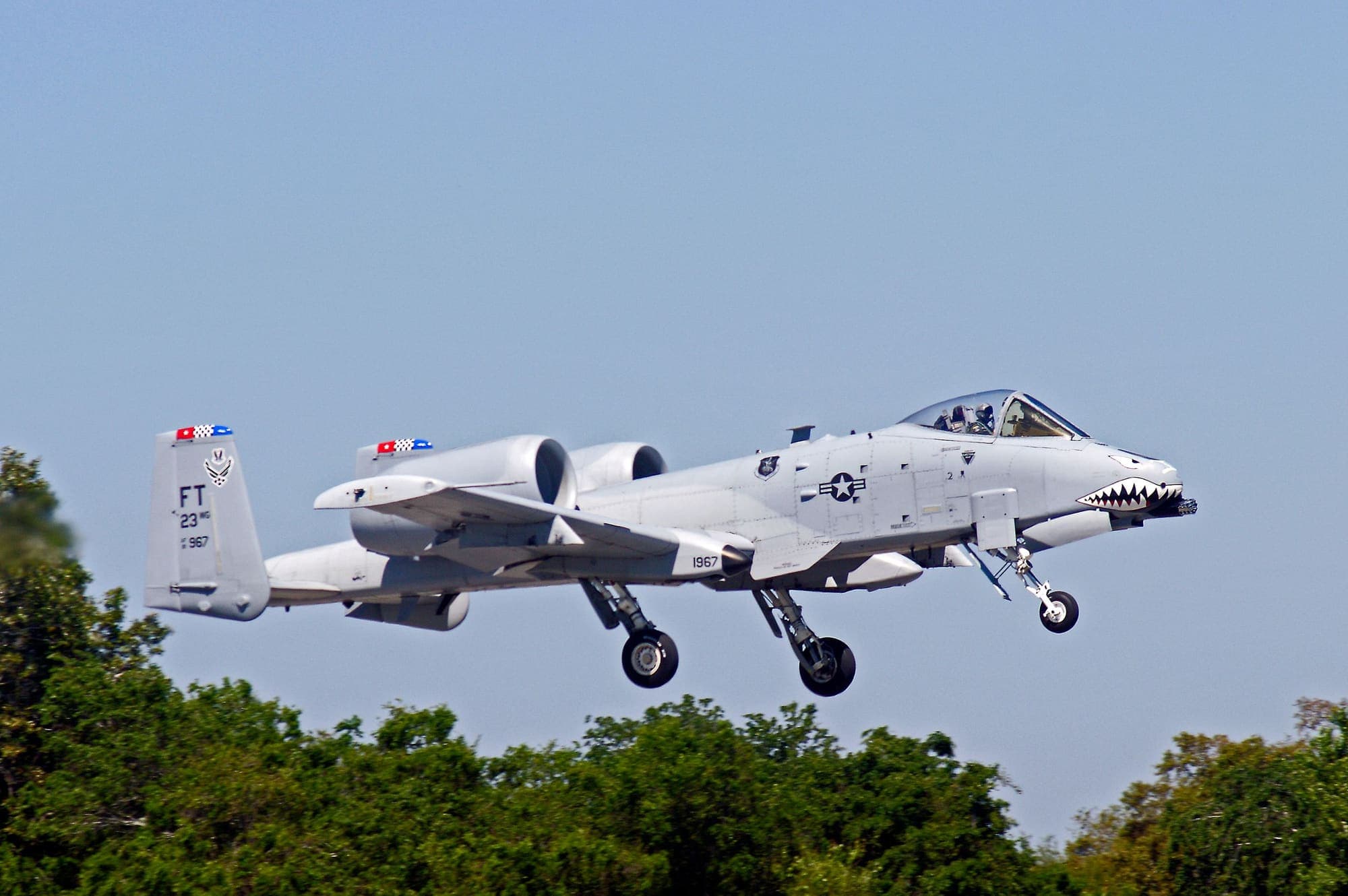
After World War II wound down, the base deactivated in 1947 and went back to being a municipal airport. But the Cold War brought it roaring back to life in 1956, and for the next thirty-seven years it served as a major fighter base under Tactical Air Command. This was the base's real heyday. F-100 Super Sabres during the Cuban Missile Crisis. A-7 Corsairs deployed during Vietnam. And eventually the A-10 Warthog, the tank-killing workhorse that proved itself over Desert Storm.
At its peak, the base covered around 4,000 acres and supported nearly 3,000 active duty personnel plus close to a thousand civilian employees, an entire small city built around the runway. The base finally closed for good on March 31, 1993, one of the many bases shuttered nationwide under the federal Base Realignment and Closure process.
| When | What happened |
|---|---|
| 1940 | A small municipal airport with grass landing strips |
| November 1941 | The War Department acquires about 6,700 acres, airport included |
| 1944–1946 | A German POW camp operates on the base — about 600 prisoners by war's end |
| 1947 | The base deactivates and returns to the city |
| 1947–1954 | The Boston Braves hold spring training on the land |
| 1956 | Reactivated as Myrtle Beach Air Force Base, a Cold War fighter base |
| 1991 | February 15: Capt. Stephen Phillis is lost over Iraq during Desert Storm |
| 1993 | March 31: the base closes for good |
| 2008 | The Market Common opens |
| 2019 | The redevelopment wins a national EPA award for site reuse |
What Happened Next Is the Part That Matters to Anyone Buying There Today
When the base closed, the land reverted to the City of Myrtle Beach, and a redevelopment authority was formed to figure out what on earth to do with nearly four thousand acres of former military property sitting in the middle of a growing tourist town. It took years of wrangling, a neutral third party (Santee Cooper, of all entities) brokering disputes between the city and county over the airport, and eventually a partnership with a developer who'd built a similar live-work community up in Arlington, Virginia, called Market Common. They liked the name enough to borrow it.
The Market Common officially opened in 2008. And the redevelopment of the old base as a whole — the airport, the homes, the parks, the college, the business park and the Market Common district — went on to win a national award from the Environmental Protection Agency in 2019 for site reuse. The EPA credited it with roughly three billion dollars a year in economic activity and more than 25,000 jobs. For a town that spent decades known almost exclusively for tourism, that's not a small thing. It gave Myrtle Beach an entirely different kind of economic identity.
The Little Details That Make This Place Feel Like a Living Museum
This is the part I actually love sharing with clients, because it turns a walk through the neighborhood into something closer to a scavenger hunt.
Nearly every street in Market Common is named for a base commander, wing commander, or notable airman who served here, and scattered throughout the district are more than 150 small historical markers telling their individual stories.
Remember the pilot? One of the more moving markers honors Captain Stephen Phillis, the only pilot from this base lost during Desert Storm, who died after doubling back under enemy fire to help rescue his downed wingman. Phillis Boulevard, which plenty of Market Common residents drive every single day, is named for him.
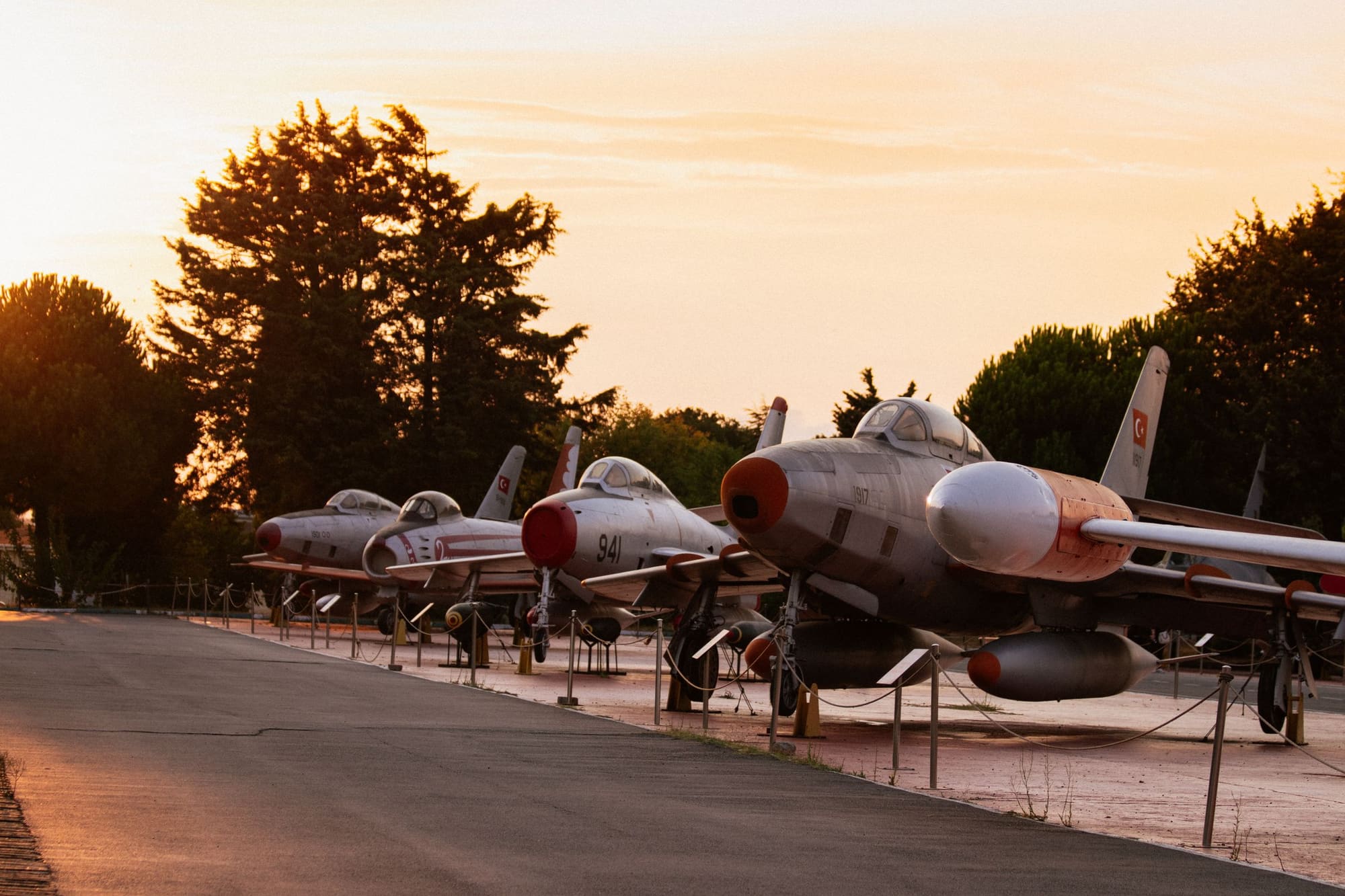
Some of the original structures still stand, quietly repurposed. Building 324, once the jet engine maintenance shop where technicians serviced the wing's combat aircraft, was handed over to the county's airport department after closure. There's a building on the old base still known locally as the parachute shop, tied to the riggers who packed and maintained the chutes for pilots flying out of here. The old officers' club is now a public library branch that doubles as a resource center for Horry-Georgetown Technical College students, who occupy a piece of the old base as well. And Warbird Park, right in the heart of Market Common, displays three actual aircraft representing three distinct eras of the base's history: an F-100 from the Cold War, an A-7 from Vietnam, and an A-10 Warthog from Desert Storm, alongside a Wall of Service honoring everyone who served here between 1941 and 1993.
Even the ball fields have a backstory. In the years between the war and the base's Cold War reopening, the Boston Braves used that same land for spring training.
Why I'm Telling You All of This
Honestly, it's because I think people buy better when they understand the ground they're standing on. Market Common isn't just a pretty planned community with good restaurants and a movie theater, though it's certainly that too. If you're weighing it as a place to live, my Market Common neighborhood guide covers the practical side.
It's a place where an entire chapter of American military history got quietly folded into the neighborhood's bones, and once you know the story, you can't walk down Gabreski Lane or past Warbird Park the same way again.
I'm working on turning this into a proper walking tour on video, marker by marker, building by building, so keep an eye out. In the meantime, next time you're in Market Common, take a lap past the historical markers. There are more than a hundred and fifty of them, and every single one has a story worth five minutes of your time.
Thinking about making the move to the Grand Strand?
Whether you're relocating from up north or planning your retirement on the South Carolina coast, I'd love to help you get there. Follow me on Facebook for more local tips, search Grand Strand listings right here on my site, and join one of my Facebook groups built specifically for people making this move: