Here's something I tell every client who's relocating here, usually somewhere around closing day. You may always be a Northerner at heart, and you should be proud of that. Wherever you came from shaped you, and it's not going anywhere. But you're also choosing this state now, whether it's your retirement chapter or your next twenty years, and I think that's worth actually knowing something about.
Consider this your dual-citizenship starter pack. And yes, I'll explain at the end why I really do mean "dual."
The Basics
Columbia is the capital, sitting right in the middle of the state, and South Carolina became the 8th state on May 23, 1788, when it ratified the U.S. Constitution.
| Official state… | What it is |
|---|---|
| Nickname | The Palmetto State |
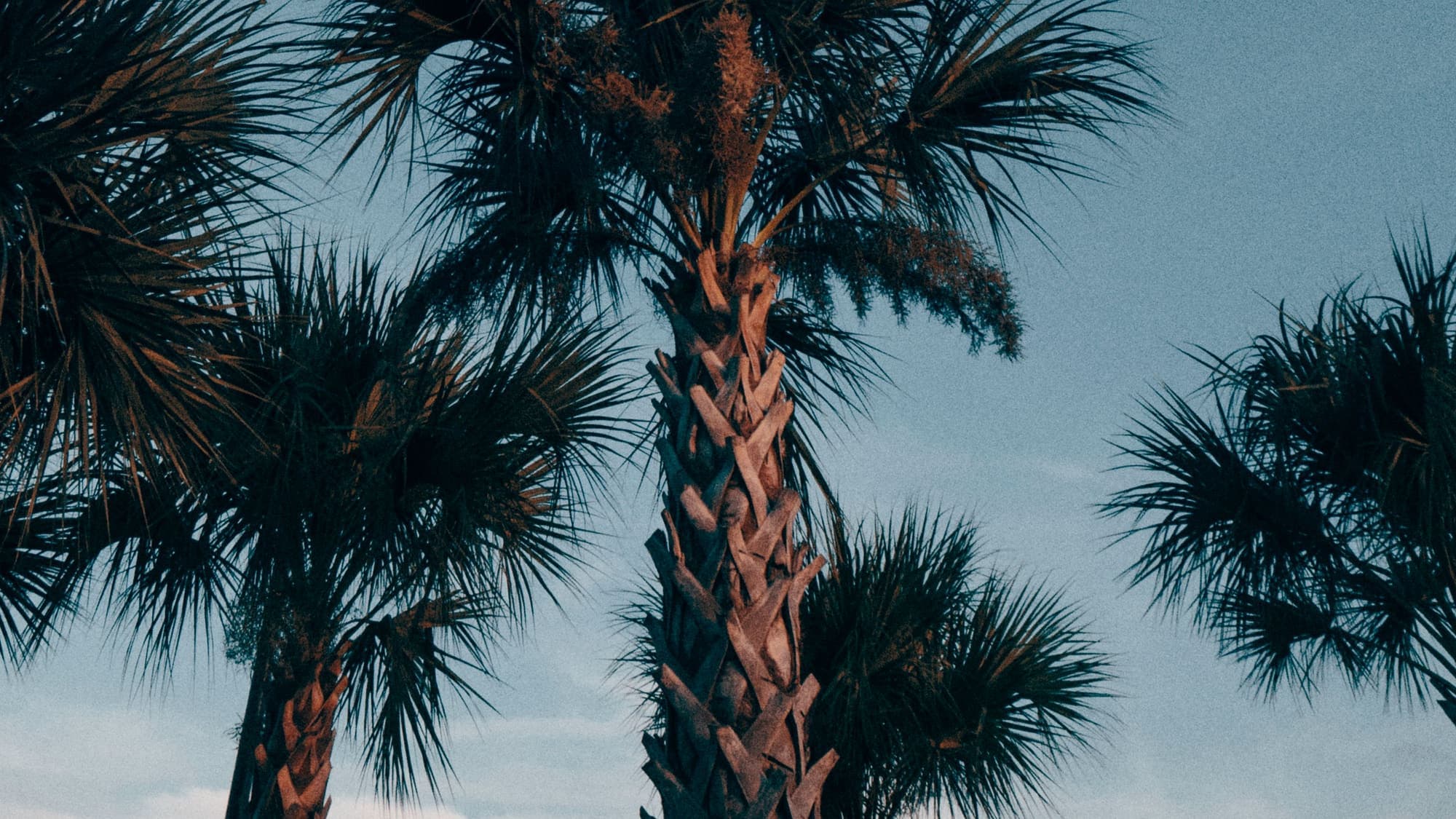
| Tree | The palmetto |
| Bird | The Carolina wren |
| Fruit | The peach |
| Snack food | Boiled peanuts |
| Hospitality beverage | South Carolina-grown tea |
| One of the two state mottoes | Dum spiro spero, "While I breathe, I hope" |
Dum spiro spero. While I breathe, I hope.
Honestly, that feels like a pretty solid way to greet each morning. (And yes, "hospitality beverage" is a real legal category here. I wrote a whole love letter to sweet tea about it.)
Why a Palm Tree Is on the Flag
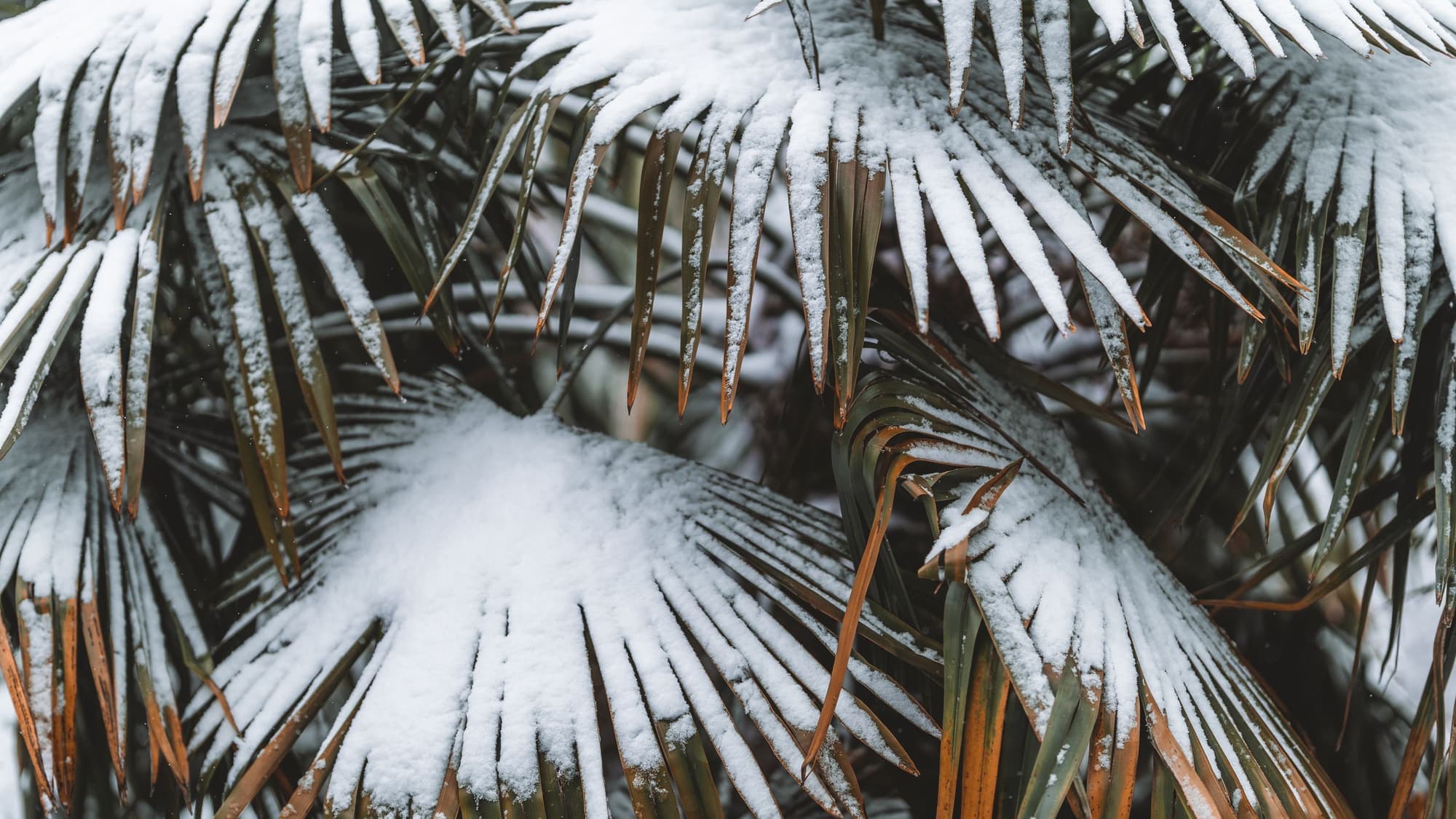
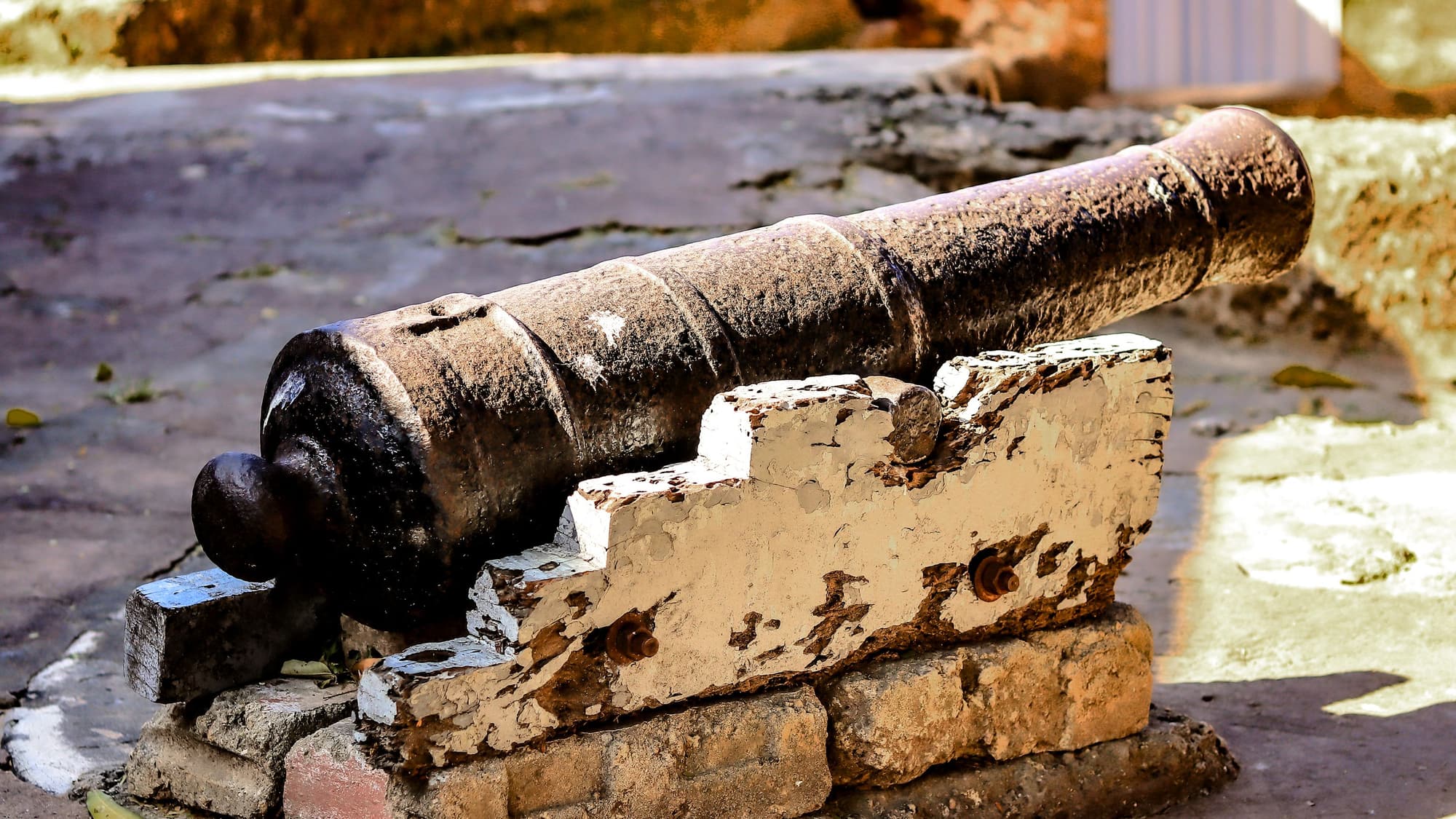
The palmetto on the state flag, right next to the crescent, isn't a random design choice. In 1776, Patriots defending Charleston Harbor built a fort on Sullivan's Island out of palmetto logs. When the British fleet attacked on June 28, 1776, the soft, spongy palmetto wood absorbed the cannonballs instead of shattering, and the fort held. It was later renamed Fort Moultrie, and the palmetto earned a permanent place in the state's identity.
A State That Saw More Than Its Share of History
South Carolina saw more than 200 battles and skirmishes during the Revolutionary War, more than any of the other original colonies. That surprises a lot of people who assume the big Revolutionary action all happened farther north. Places like Cowpens, Kings Mountain and Camden saw real fighting, and several battlefield sites are preserved today if you're looking for a history-minded day trip.
The state also played an outsized, and far more sobering, role in the Civil War. South Carolina was the first state to secede from the Union, in December 1860, and the first shots of the war were fired right here, at Fort Sumter in Charleston Harbor, on April 12, 1861. It's a heavy chapter, but an important one, and Fort Sumter is open to visit today for anyone who wants to understand it more fully.
Something Built Here That Changed How the Whole Country Moved
On Christmas Day in 1830, a steam locomotive called the Best Friend of Charleston made its first run just outside the city, becoming the first American-built locomotive in regular, scheduled passenger service. The Charleston Courier described riders flying "on the wings of wind at the speed of fifteen to twenty-five miles per hour," which was astonishing for 1830.

The original met a dramatic end less than a year later, when a crew member tied down the safety valve to quiet its hissing and the boiler exploded. But you can still see replicas today, including one at the South Carolina State Museum in Columbia and another at the Best Friend Train Museum in Charleston.
Famous South Carolinians You May Not Have Realized Were From Here
| Born in South Carolina | Known for |
|---|---|
| James Brown | The Godfather of Soul |
| Chubby Checker | "The Twist" |
| Dizzy Gillespie | Jazz trumpet legend |
| Eartha Kitt | Actress and singer |
| "Shoeless" Joe Jackson | Baseball great, and one of its most controversial figures |
| Marian Wright Edelman | Civil rights activist and founder of the Children's Defense Fund |
A Couple of Genuinely Fun, Lesser-Known Facts
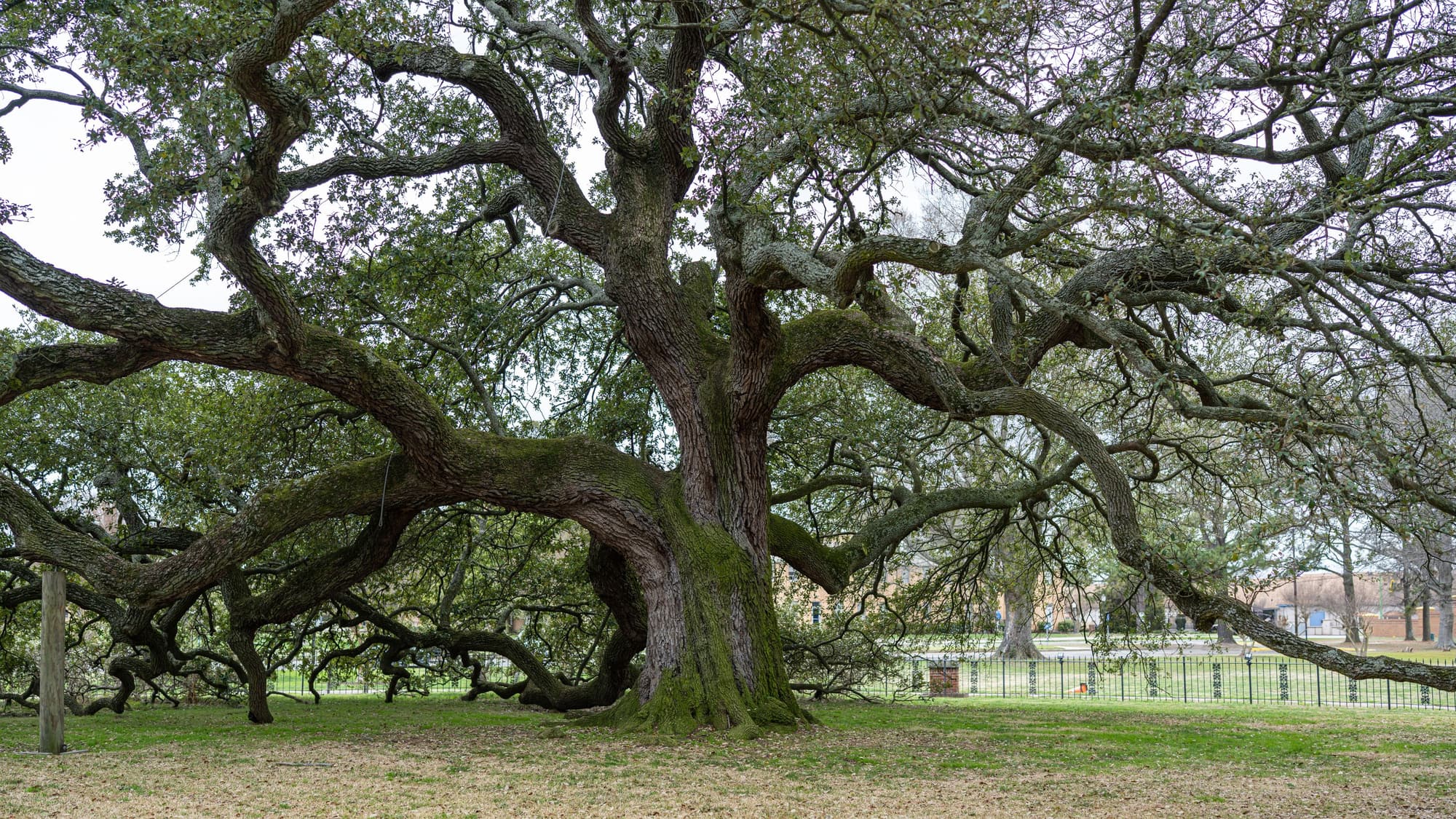
The Angel Oak. On Johns Island near Charleston stands a live oak the City of Charleston estimates is 300 to 400 years old, 65 feet tall, with a canopy shading about 17,000 square feet. The city calls it the largest live oak east of the Mississippi, and it's free to visit, which feels almost too good to be true given what you're looking at.
Tea, of all things. In the late 1700s, the French botanist André Michaux brought tea plants to the Charleston area, and today the only large-scale tea farm in the United States grows on Wadmalaw Island. So the next time someone teases you about your new sweet tea habit, you've officially got the historical high ground.
Why Any of This Matters
Here's the "dual" I promised to explain. When you move somewhere new, especially somewhere you're choosing later in life rather than somewhere you were simply born, it's easy to stay a permanent visitor in your own home: proud of where you came from, but never quite claiming where you landed. I'd encourage you not to do that.
You don't have to trade one identity for the other. You can absolutely be a lifelong Yankee and a proud South Carolinian in the very same sentence. Dual citizenship, emotionally speaking, is allowed. And honestly, once you know a little bit of the state's actual story, claiming it starts to feel a lot more natural.
Thinking about making the move to the Grand Strand?
Whether you're relocating from up north or planning your retirement on the South Carolina coast, I'd love to help you get there. Follow me on Facebook for more local tips, search Grand Strand listings right here on my site, and join one of my Facebook groups built specifically for people making this move: