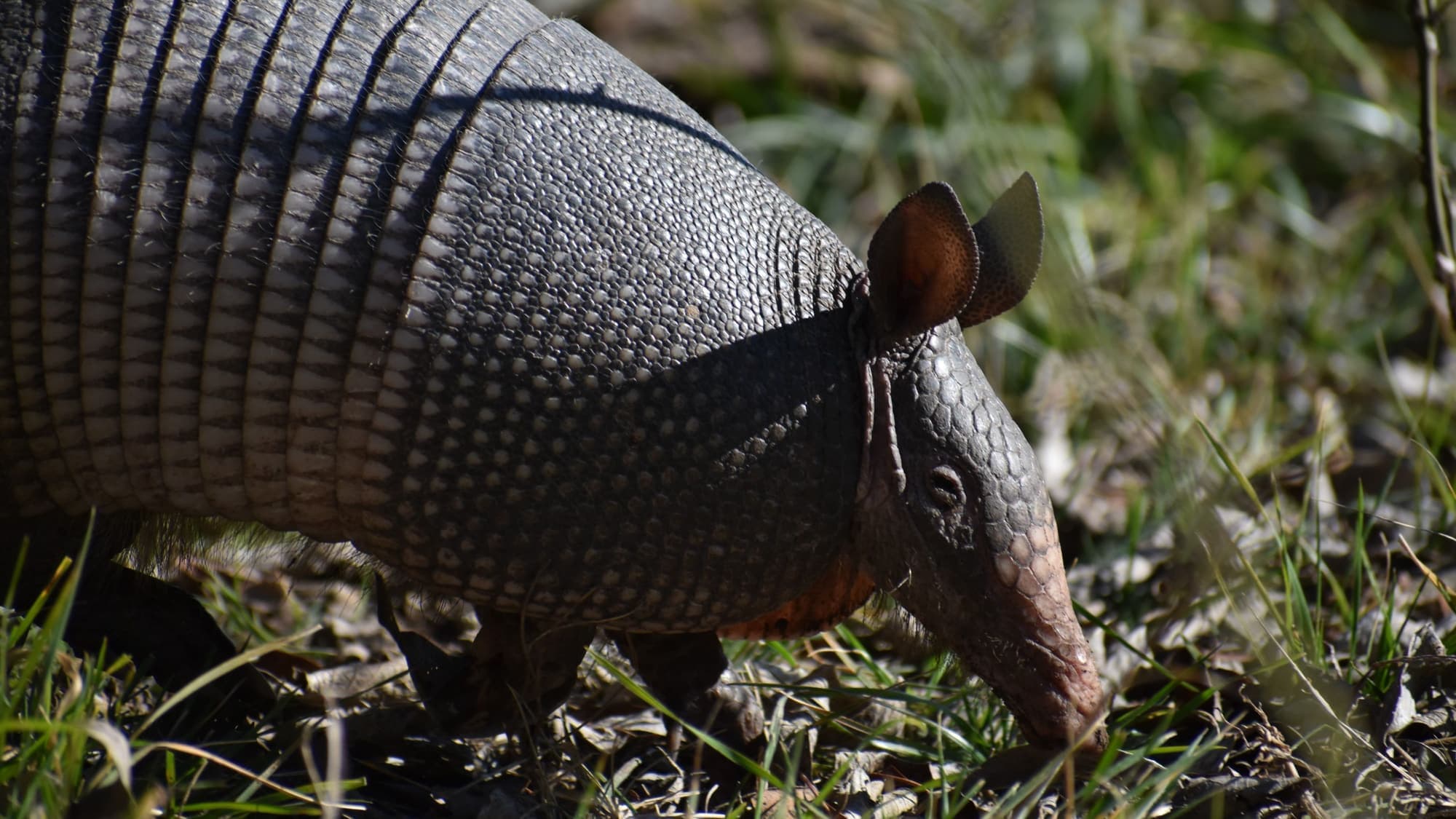
I need to talk about something that genuinely startled me the first time I heard it mentioned casually at a client's dinner table, like it was no big deal at all. Armadillos. In South Carolina. As in, actually here, actually living in yards, not in some enclosure at a zoo.
I grew up thinking armadillos were a Texas thing, a desert-highway kind of animal that showed up on postcards and nowhere else. I had never once seen one outside of a zoo. So when I found out they were casually wandering around backyards here on the East Coast, my first reaction was some version of "I'm sorry, what?"
And wait until you hear how they cross the rivers. It's my favorite fact in this whole post.
Turns Out, This Is a Fairly Recent Development, and I'm Not Crazy for Being Surprised
Armadillos aren't native to South Carolina at all. The nine-banded armadillo, the species we have here, came into the United States through Texas in the 1800s and then spent more than a century slowly spreading east. The first ones showed up in South Carolina in the 1980s, in the southwestern part of the state near the Savannah River, working their way over from Georgia.
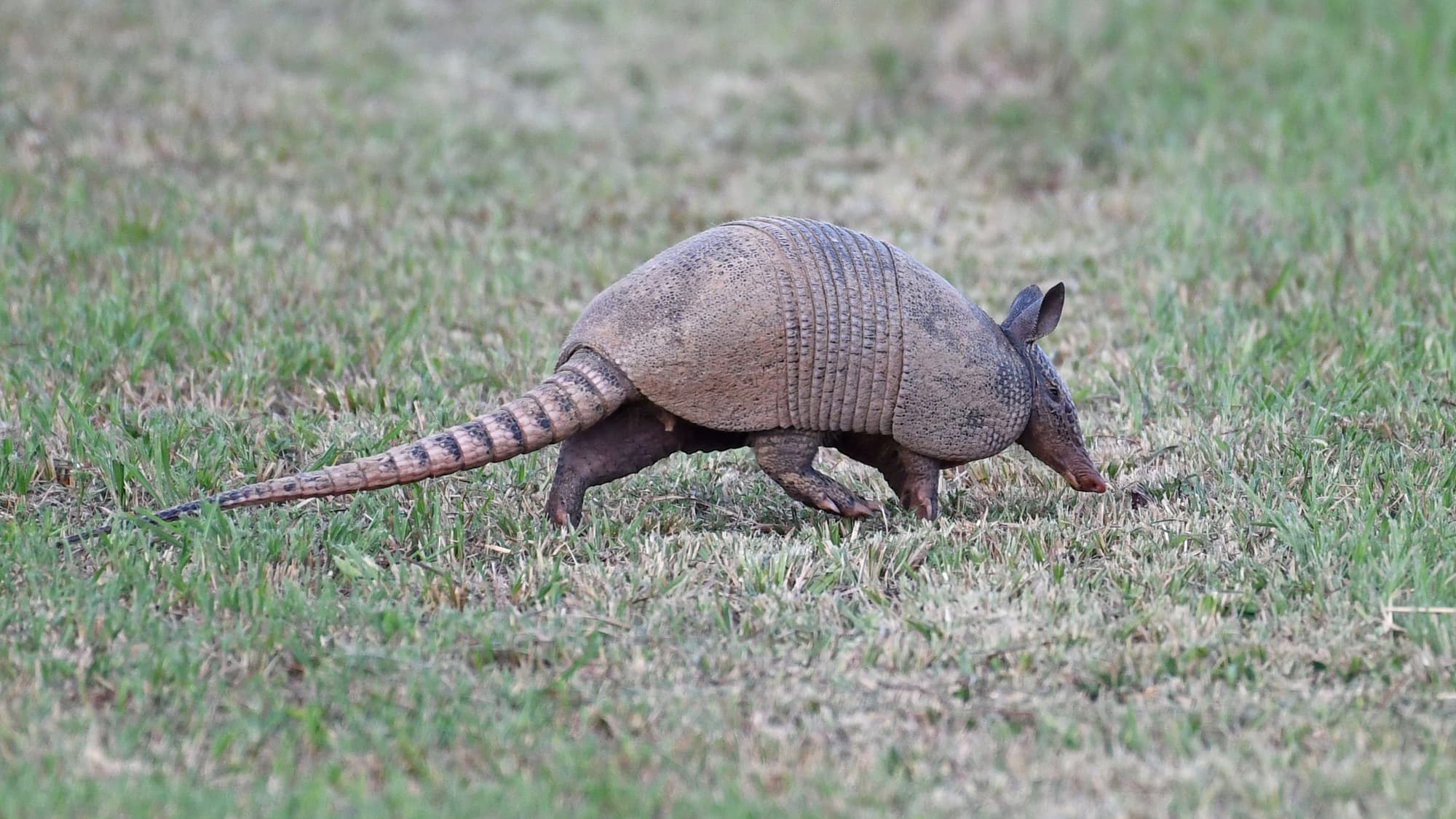
Now, the river crossings I promised. Armadillos can swim, and they can even walk along the bottom of shallow water. But when they come to a wide river, like the bigger stretches of the Savannah, experts believe they often just take the practical route and cross on the bridges, the same way we do. One Clemson Extension agent put it plainly: they're following our roads and bridges.
When an armadillo reaches a wide river, it apparently just uses the bridge. Like the rest of us.
Since arriving in the 1980s, they haven't slowed down. Armadillos are now found in all 46 counties of South Carolina, from the sandy Lowcountry all the way up into the clay of the Upstate.
| When | Where the armadillo was |
|---|---|
| 1800s | Crossing into the United States through Texas |
| 1900s | Slowly spreading east across the Gulf states |
| 1980s | First sightings in southwestern South Carolina, near the Savannah River |
| Today | Found in all 46 South Carolina counties |
What Happens If You Run Into One?
Honestly, probably not much, and that's almost more unsettling than if they were dangerous. Armadillos are shy, mostly out at night, and when they're startled their instinct is to freeze or bolt, not to confront anything. They're diggers, using powerful front claws to root around for insects and grubs, which means the real practical concern isn't your safety. It's your lawn and flower beds, since a determined armadillo can leave a surprising number of small holes in nice landscaping overnight.
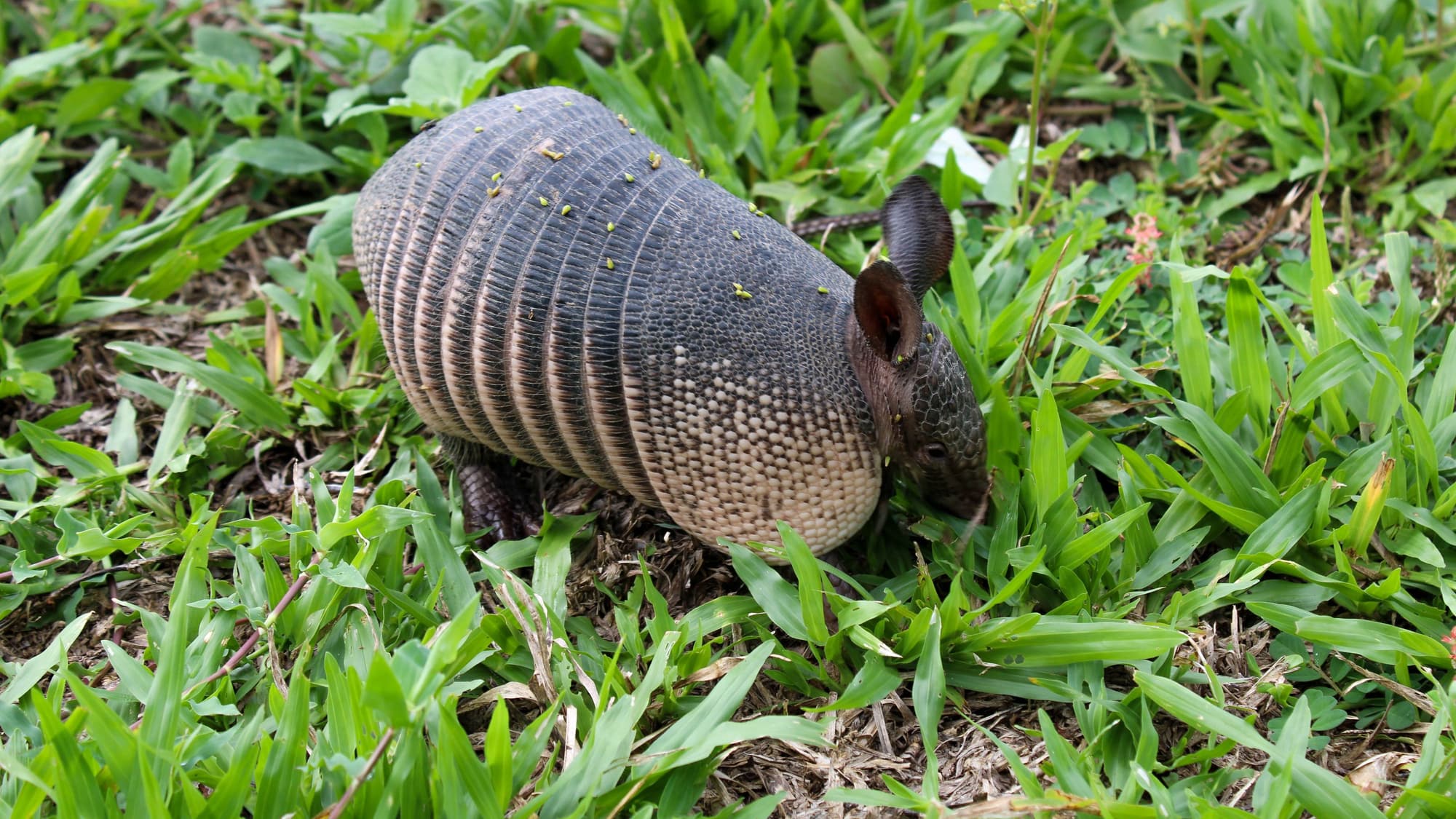
But let's be honest about the actual scenario here. Picture it: you step outside late at night to take out the trash, and there, in your own backyard, under the porch light, is a genuinely strange-looking, armor-plated creature you wholeheartedly believed lived only out west. Even knowing it's harmless, there is a solid few seconds of "what on earth is that" panic built into that encounter, and I don't think anyone gets to skip it the first time.
A Small Pop Culture Tie-In, for Anyone Who Loves a Good Southern Reference
If "armadillo" plus "Southern" rings a bell, you might be thinking of Steel Magnolias, set in a small Louisiana town, with its unforgettable red velvet groom's cake shaped like a giant armadillo, gray icing and all. It's one of the oddest, most charming details in the whole movie, and a reminder that this particular critter has had a strange, specific spot in the Southern imagination for a lot longer than it's been showing up in our backyards.
My Honest Advice If You Spot One
Enjoy the moment, and keep your hands to yourself. Snap a picture if you can, but don't pick one up or try to handle it. In the southern United States, some armadillos carry the bacteria that cause Hansen's disease (leprosy). The CDC says the risk to people is very low, but its advice is simple: avoid contact with armadillos when you can.
If one moves in, say it's living under your porch or tearing up your landscaping night after night, that's a job for a licensed wildlife control professional, not a DIY project.
And if you're the type who likes bragging rights, go ahead and tell whoever you know up north that you've got armadillos in your South Carolina backyard now. I guarantee it gets the same reaction out of them that it got out of me. (If that's got you curious about the rest of our wildlife, I've also written up the honest truth about alligators.)
Thinking about making the move to the Grand Strand?
Whether you're relocating from up north or planning your retirement on the South Carolina coast, I'd love to help you get there. Follow me on Facebook for more local tips, search Grand Strand listings right here on my site, and join one of my Facebook groups built specifically for people making this move: