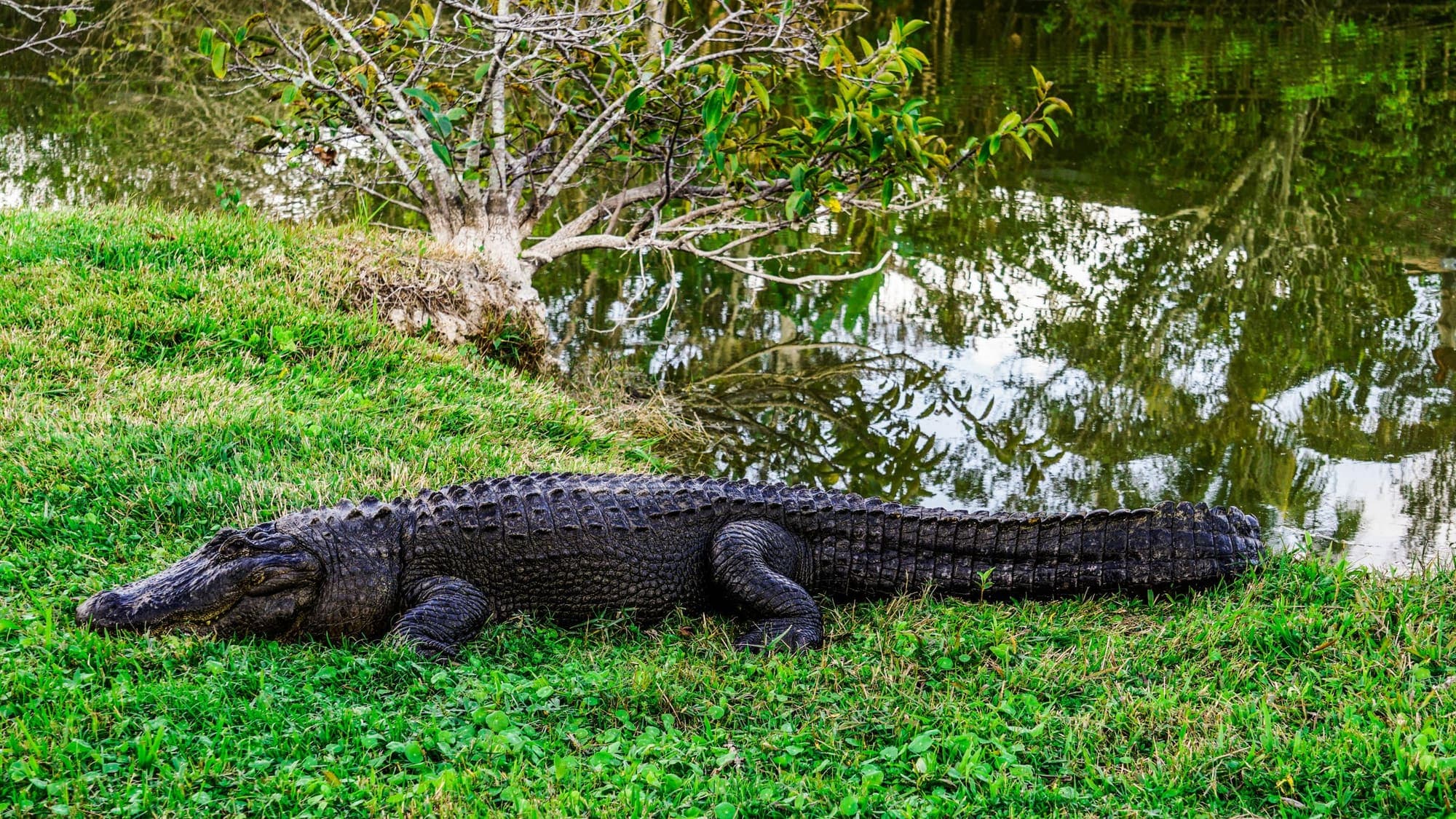
Of all the questions I get from people relocating here, "are there really alligators everywhere" ranks somewhere between "how bad are the hurricanes" and "what's the deal with sweet tea." So let's talk about it honestly, because the answer is more interesting, and less scary, than most people expect.
And stick with me to the part about encounters, because when you look at what's actually behind them, almost all of them come down to one of two situations — and both are completely in your control.
Yes, There Are a Lot of Them. Like, a Lot.
South Carolina is home to an estimated 100,000 American alligators, found in every coastal county in the state. They're not some rare sighting you get lucky to see. They're a normal, permanent part of the landscape here, living in retention ponds, golf course lagoons, marshes, and rivers all across the Lowcountry and the Grand Strand. For context, that number puts South Carolina well behind Florida and Texas, but comfortably ahead of our neighbor to the north, which has far fewer once you cross the state line.
Here's the part I find genuinely fascinating. Alligators were hunted to the brink of extinction in the mid-1900s and landed on the federal endangered species list. Their comeback has been so successful that the state opened a regulated public hunting season back in 2008, and wildlife officials describe the statewide population today as stable, not overrun, just present in the numbers nature intended before we nearly wiped them out.
So How Worried Should You Actually Be?
Less than you think, but not zero, and I'd rather give you real numbers than vague reassurance. Going back to 1976, South Carolina has recorded a couple dozen alligator injuries to people and a handful of fatalities, across nearly five decades. That averages out to less than one documented encounter per year across the entire state. That said, it's fair to note that fatal incidents have clustered in the last several years in a way they never did in prior decades, which experts attribute less to alligators becoming more aggressive and more to simple math. More people are moving here, more homes and golf courses are being built right up against wetlands and ponds, and more humans and alligators are simply crossing paths than used to.
The Two Situations Behind Nearly Every Encounter
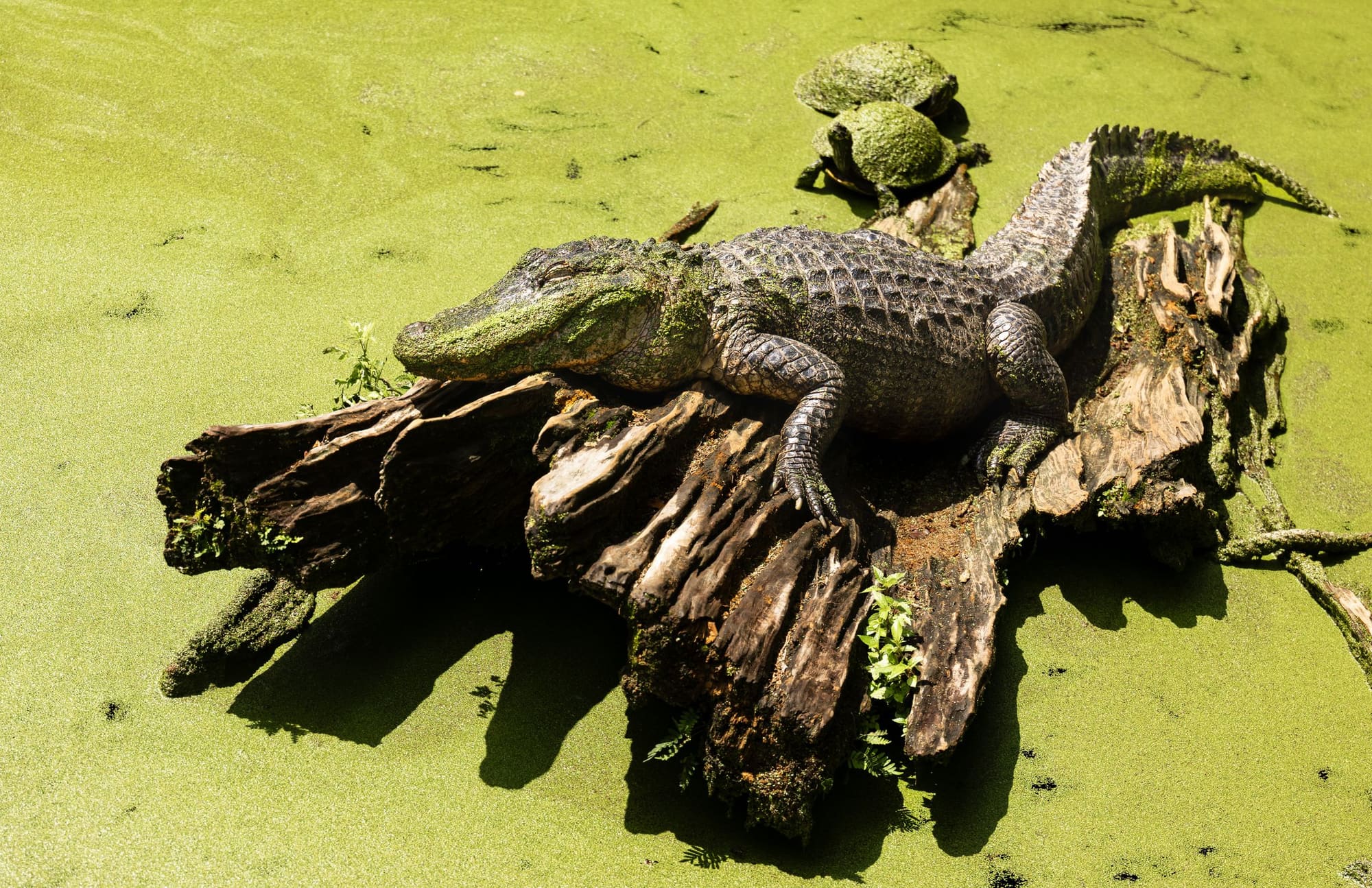
Here's the answer I promised. The overwhelming majority of incidents involve one of two things: an unleashed pet near the water's edge, which an alligator can mistake for its next meal, or a person getting too close to what they thought was a docile, sleepy reptile sunning itself.
Alligators do not view humans as prey and generally have no interest in an encounter with you. Give them their space, and they will almost always give you yours.
Where to Actually See One on the Grand Strand, Safely
If you're curious and want a look (and honestly, everyone eventually is), Huntington Beach State Park down in Murrells Inlet is one of the most reliable spots around, with alligators regularly visible sunning along the causeway near the freshwater lake, viewable from a safe distance. I've written up both of our state parks side by side if you want to make a day of it. Golf course lagoons throughout the area are another near-guaranteed sighting, which is part of why so many local courses post friendly reminder signs. And if you spend any time kayaking the Waccamaw River or exploring the marshes inland, keep your eyes on the banks. You'll likely spot one before it spots you.
A Few Genuinely Useful Ground Rules, Once You're a Local
| The rule | Why it matters |
|---|---|
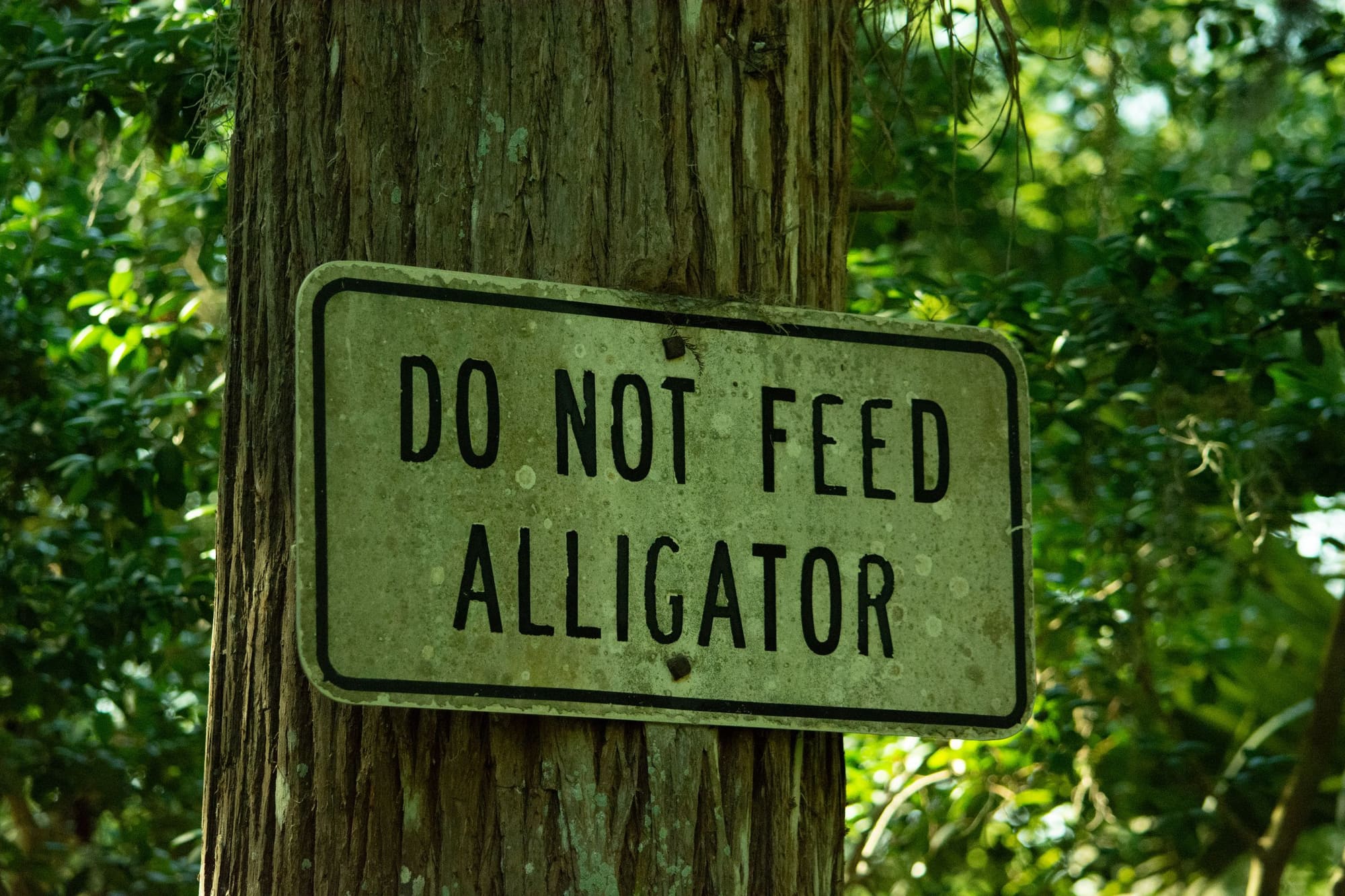
| Never feed an alligator | It's illegal in South Carolina, and it's the single fastest way to teach a wild animal to associate people with food, which never ends well for anyone, gator included. |
| Keep pets leashed and away from pond edges | Especially at dawn and dusk, when alligators are most active. This is one of the two situations behind most encounters. |
| Resist the closer photo | If a big one is just doing its thing in the retention pond behind your neighborhood, admire it the way you'd admire a black bear or a bald eagle: thoroughly, with a healthy amount of space between you. |
Alligators aren't a reason to think twice about moving here. They're just one more resident of the Grand Strand you'll learn to live alongside, the same way you learned to live with deer up north or squirrels stealing your bird feeder. Give it a year, and you'll be the one calmly pointing one out to visiting family while they lose their minds in the back seat.
Thinking about making the move to the Grand Strand?
Whether you're relocating from up north or planning your retirement on the South Carolina coast, I'd love to help you get there. Follow me on Facebook for more local tips, search Grand Strand listings right here on my site, and join one of my Facebook groups built specifically for people making this move: