If you already loved gardening up north, I have good news, and it might genuinely change how you think about your yard. If you never had much of a green thumb, I have different good news: South Carolina is about to make you look a lot better at this than you actually are.
And there's one herb in particular I want you to hang on for. Up north you probably babied it on a windowsill every winter. Down here, it turns into a hedge.
The Secret Nobody Explains to Transplants
Up north, a lot of what fills your flower beds every year is an annual. The stuff you plant every single spring because it dies at first frost and simply isn't coming back. You budget for it every year like a subscription service. Down here, plenty of plants that northern garden centers sell as annuals, or close cousins of them, come back. Year after year, with far less effort than you're used to putting in.
Lantana is a perfect example. Up north it gets sold by the flat as a summer annual. Clemson Extension notes that a few varieties are reliably perennial across most of South Carolina, and even more of them come back near the coast, which is exactly where we are.
The reason comes down to one number: how cold your coldest night of the year gets.

The Math on This Alone Should Get You Excited
Think about what that actually means for your time and your wallet. No more spring ritual of replanting an entire bed from scratch. No more mentally writing off every dollar spent on annuals as a one-season expense. A lot of Southern gardens are built on plants that establish themselves once and then just keep showing up, bigger and fuller, every year that follows. If you were the type of gardener who found the whole process satisfying rather than a chore, this is going to feel like someone finally turned the difficulty setting down.
The Crape Myrtle: The South's Signature Tree, and a Genuinely Good Story
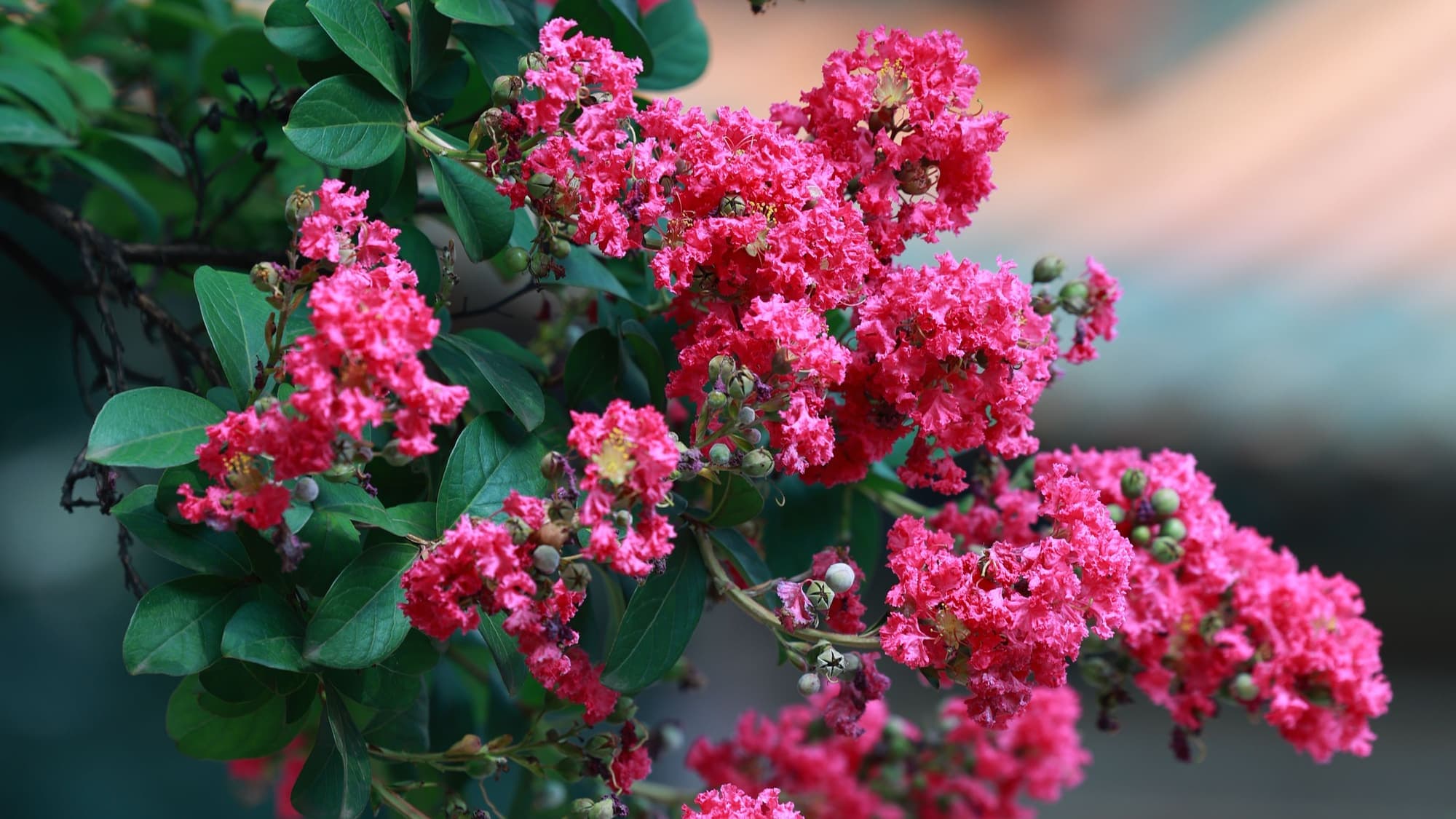
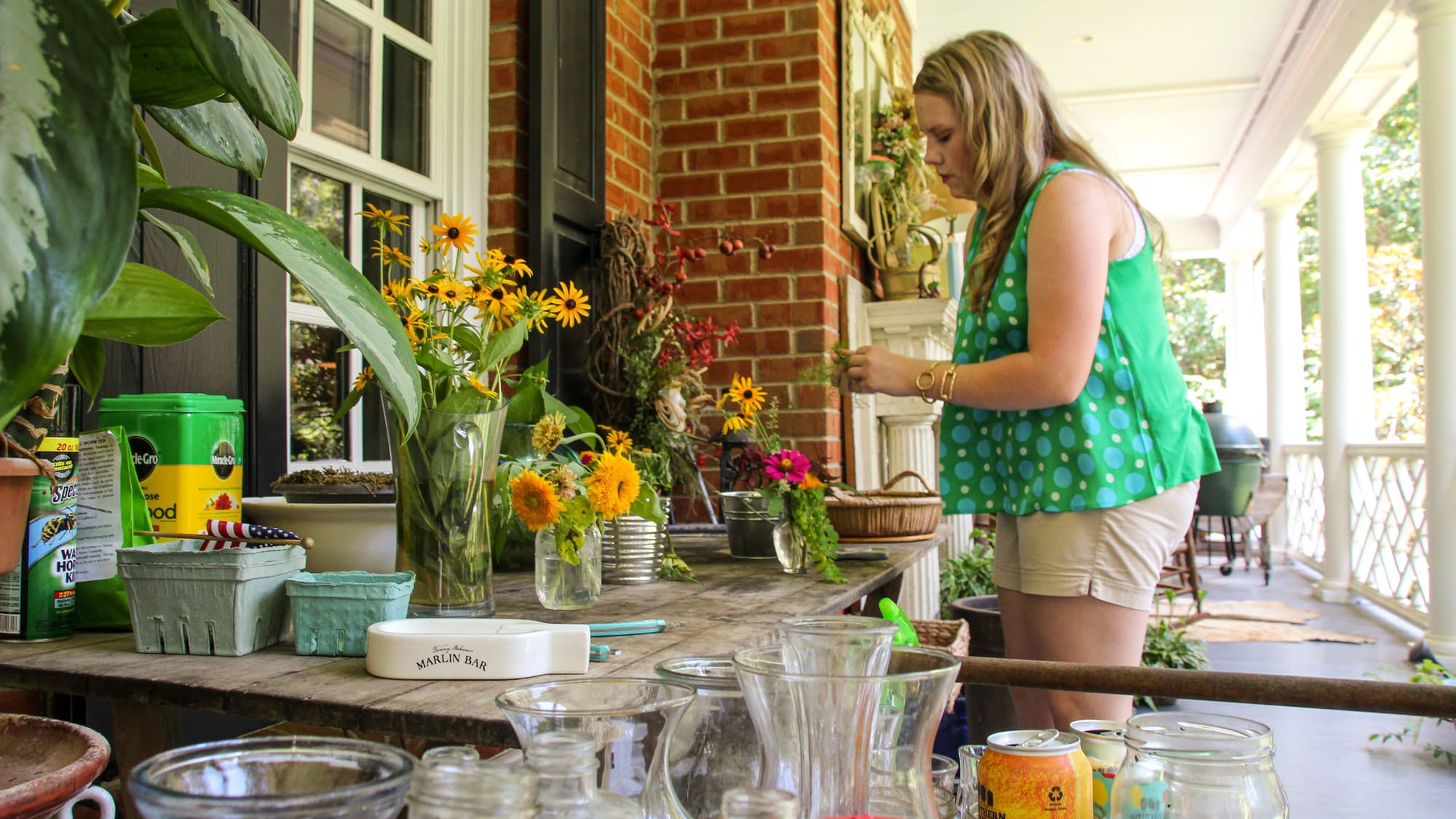
You will see this tree everywhere here: in medians, front yards and parking lots, lining entire streets in bloom for months at a stretch. There's a reason people call it "the lilac of the South." Crape myrtles aren't actually related to true lilacs at all. They're native to Asia, and the story of how they got here runs straight through our own coastline's history.
In the late 1780s, the French royal botanist André Michaux set up a nursery outside Charleston, and it became one of the first places many Asian plants, crape myrtle among them, arrived in North America. He shared plants with his neighbors, the Middletons, and Middleton Place near Charleston is often said to still have crape myrtles tracing back to his time. It's a wild thing to consider next time you're admiring one in your own front yard.
What makes crape myrtles such a Southern staple isn't just the story, it's the practicality. They bloom for months through the hottest part of summer when a lot of other flowering plants have already given up, they come in a huge range of colors from white to deep purple, and once established, they genuinely don't ask much of you.
Pick a variety that grows to the size you actually want, and let it do its thing.
Just don't fall into what gardeners call "crape murder," the habit of hacking the top off every winter to control its size. It isn't just me being dramatic: Clemson Extension's own pruning guide uses the term, and says the belief that a topped tree flowers better is a myth. It ruins the tree's natural shape for no real benefit. Crape myrtles come in everything from dwarf to large, so choosing the right size up front is the whole trick.
Rosemary: The Plant That Will Make You Feel Like a Genius
Here's the herb I promised. If you grew rosemary up north, you probably grew it in a pot, brought it inside every fall, and babied it through winter like a houseplant that occasionally seasoned your chicken. Down here, rosemary is not a delicate herb. It's an evergreen shrub. Plant it once in well-drained soil with good sun, and it will happily grow into a woody, fragrant bush that needs almost nothing from you. No bringing it indoors, no babying. Some of the most beautiful, low-maintenance hedges I've seen on client properties here are just... rosemary, doing what rosemary does when nobody's stressing over it.
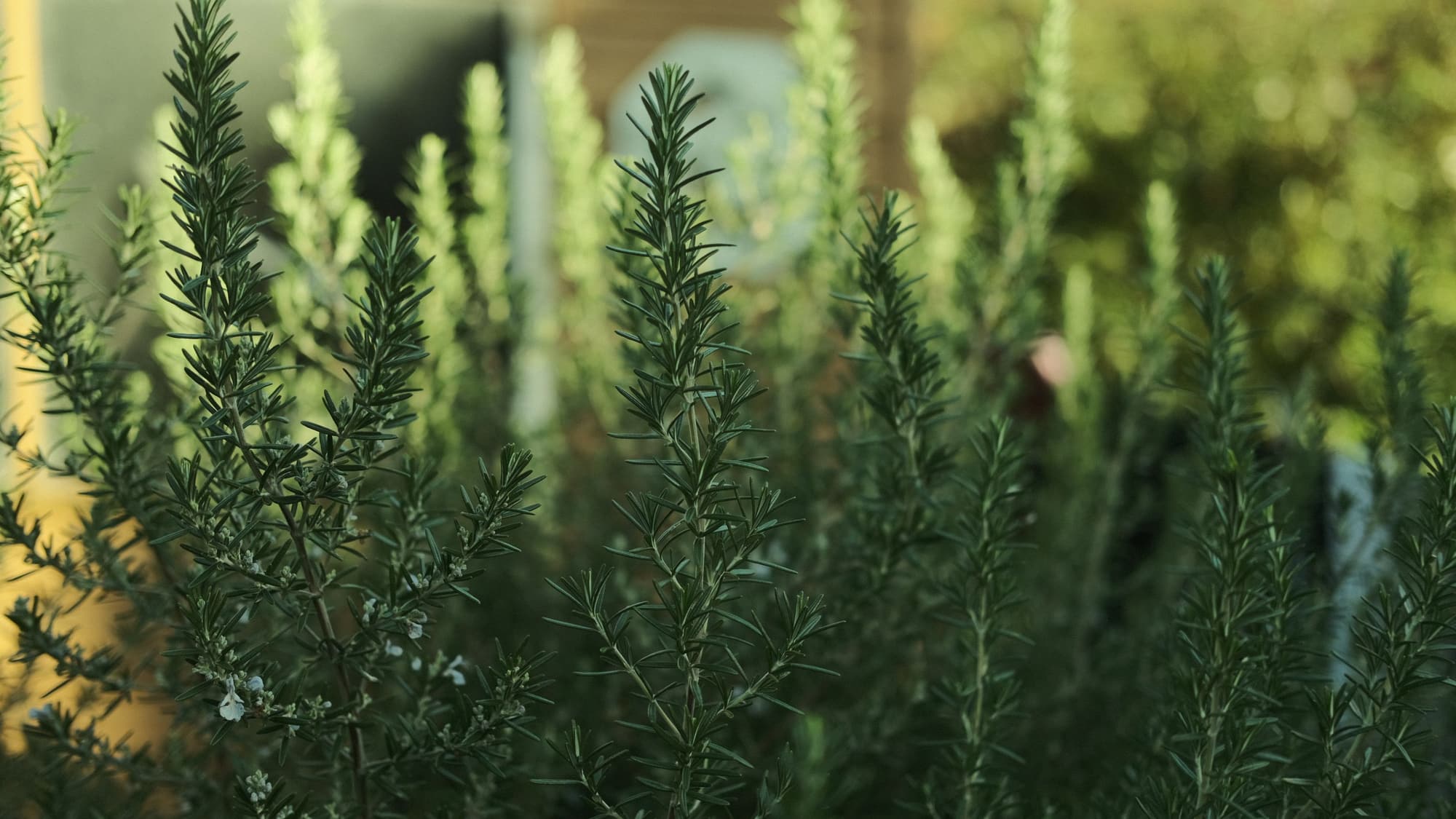
Clemson Extension's advice for it is short: a dry, sunny spot with soil that drains well. Give it that, and it'll outlast your patience for pruning it.
It's a small thing, but it's a perfect example of what I mean about the difficulty setting changing. A plant you spent years coddling can become one of the easiest things in your yard.
What This Means for How You Think About Your New Yard
If you're moving here and picturing your landscaping the same way you did up north, budgeting for constant replanting and treating every bed as temporary, I'd genuinely encourage you to rethink that before you even close on a house.
| When you tour a home, ask… | Why it matters |
|---|---|
| What's already established? | A mature crape myrtle or a wall of rosemary is years of growth you inherit for free |
| Has anyone been topping the crape myrtles? | Knobby, chopped-off branch ends are the giveaway, and the tree needs time to grow back into its natural shape |
| Where does water sit after a rain? | Plenty of plants that love our heat don't love wet feet |
| What does the HOA allow? | Some communities have rules about what you can plant, remove, or change out front |
And if you're starting from scratch, lean into perennials from day one. You'll thank yourself in about eighteen months, when your friends up north are re-mulching and re-planting the same bed for the third spring in a row, and you're just standing there with a cup of coffee, watching everything come back on its own.
Thinking about making the move to the Grand Strand?
Whether you're relocating from up north or planning your retirement on the South Carolina coast, I'd love to help you get there. Follow me on Facebook for more local tips, search Grand Strand listings right here on my site, and join one of my Facebook groups built specifically for people making this move: