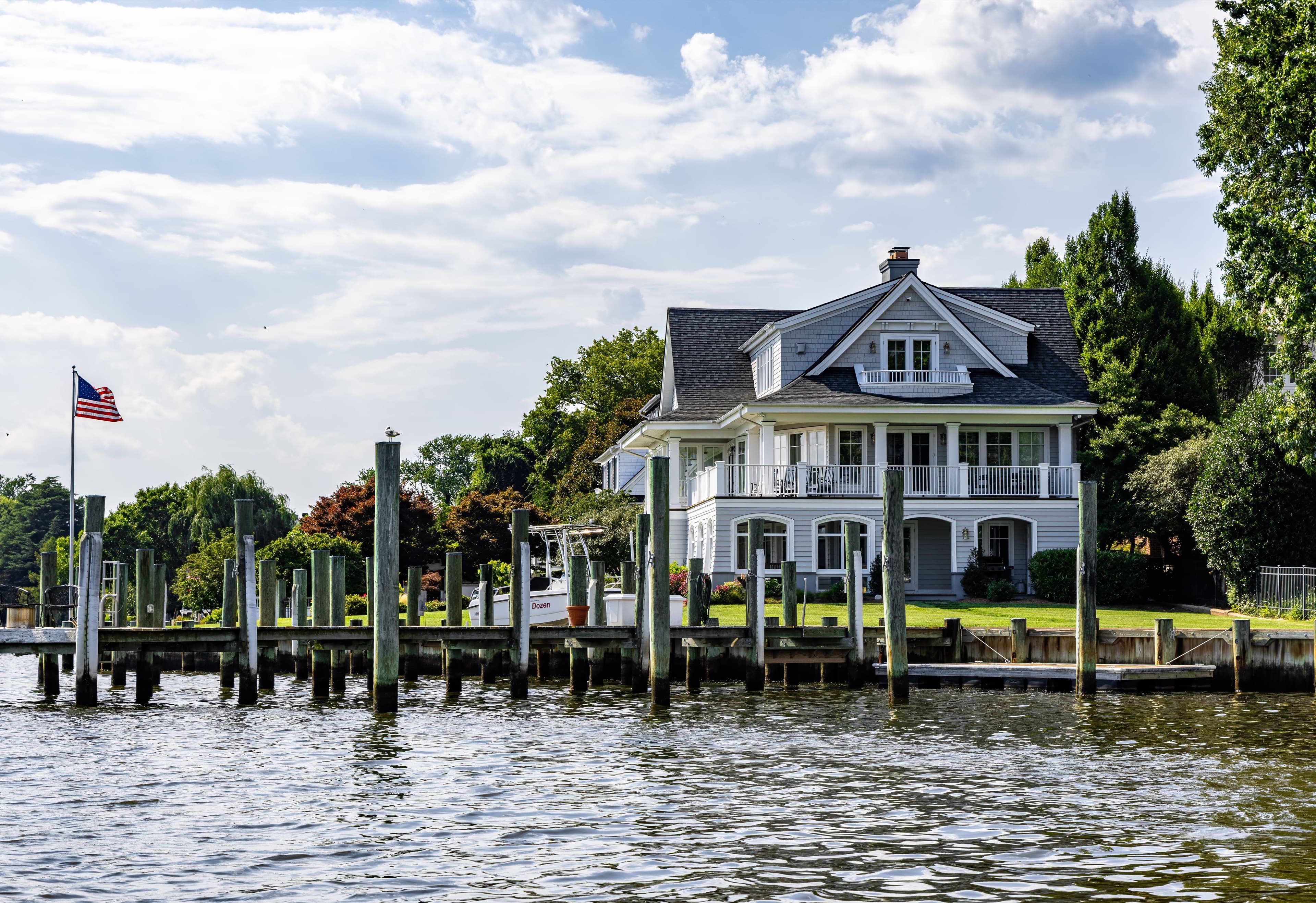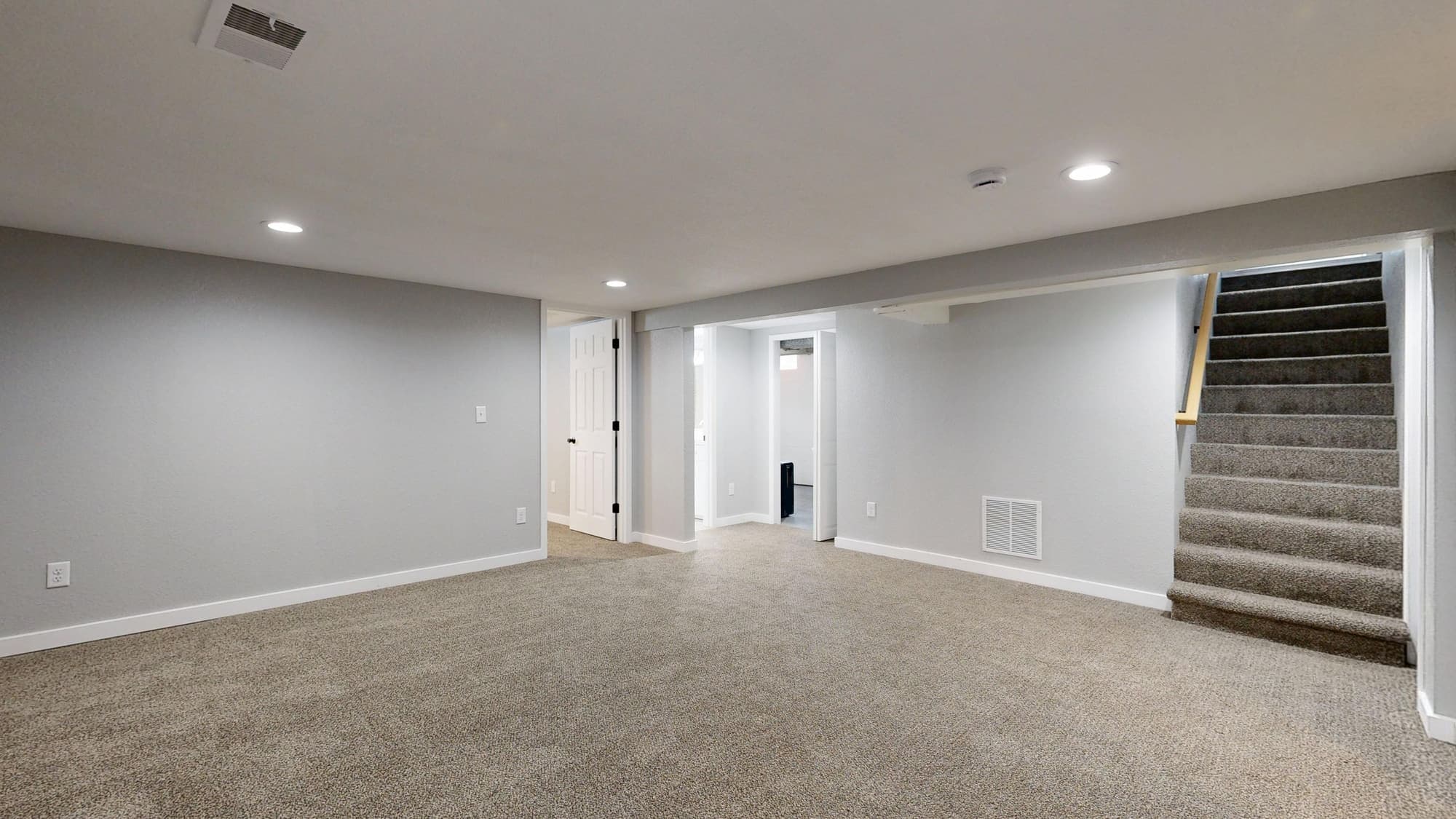
I have shown a lot of houses in my career, and there's a specific moment that happens almost every single time with a client relocating from up north. We walk through a beautiful home, they love the kitchen, they love the primary suite, and then somewhere around the laundry room they pause, look at me, and ask, completely sincerely, "So where's the basement?"
And I get to deliver the news: there isn't one. There almost never is. And no, it's not because your builder forgot.
Stick with me, though, because there's a very good answer to "so where do I put all my stuff," and it has a funny little name.
This Is a Regional Thing, Not a "Your House" Thing
Basements are genuinely rare across South Carolina and most of the South, and it's not because Southern builders collectively decided storage space is overrated. It comes down to a mix of climate, water and plain old economics, and once you understand it, the whole thing actually makes a lot of sense.
| Why basements are common up north | Why they're rare here |
|---|---|
| Footings have to go deep, below the frost line, so digging a little further for a basement is a smaller extra step | Our ground barely freezes, so footings stay shallow and there's no "already down there" head start |
| Soil can be drier and better drained | Along the coast, groundwater often sits close to the surface |
| Cold, drier air | Long, humid summers that love an enclosed underground space |
| The extra room is a bargain | The extra room is an expensive, ongoing project |
Reason One: The Frost Line, or the Lack of One
Up north, foundations have to sit below the frost line, the depth where the ground freezes in winter. In a lot of colder states that line sits several feet down, because freezing and thawing soil can heave and crack a foundation. Since builders have to dig that deep anyway, going a little further to create a full basement becomes a relatively small extra cost. You're already down there. Might as well use the space.
Here, the ground rarely freezes much at all. South Carolina's residential building code sets the basic minimum for exterior footings at 12 inches below the ground, and around the Grand Strand, frost is simply not what's driving how deep a builder digs. So there's no "already excavating anyway" incentive pushing a basement into the plan. A basement here isn't a byproduct of a foundation you were required to dig. It's a separate, optional, expensive project layered on top of a house that didn't need one.
Reason Two: The Water Table Is Not On Your Side
This is the big one, and it matters most right here on the coast. In many low-lying parts of the Grand Strand, groundwater sits close to the surface. Dig a big hole, and you're building a room that spends its whole life with water pressing on the outside of its walls. Over time, that pressure can make walls bow, crack and leak, which means a basement here isn't just an upfront cost. It's an ongoing maintenance commitment, with serious waterproofing, sump pumps and drainage just to stay dry.
Add our humidity into the mix, and you've got ideal conditions for mold in an enclosed underground space.
A basement that isn't meticulously waterproofed and ventilated here isn't a bonus room. It's a science experiment.
Reason Three: It's Simply Cheaper Not To
A slab foundation, essentially a concrete pad poured right on the ground, takes far less digging, less material and less labor than a full basement. Once you add the waterproofing, reinforcement and drainage a basement would need to survive our soil and water, it becomes a lot of money to spend before you've gained a single square foot of reliably dry space. Builders and buyers here have mostly concluded it isn't worth it, and most people would rather put that money into a bigger footprint than dig a hole underneath a smaller one.
So What Do You Get Instead?
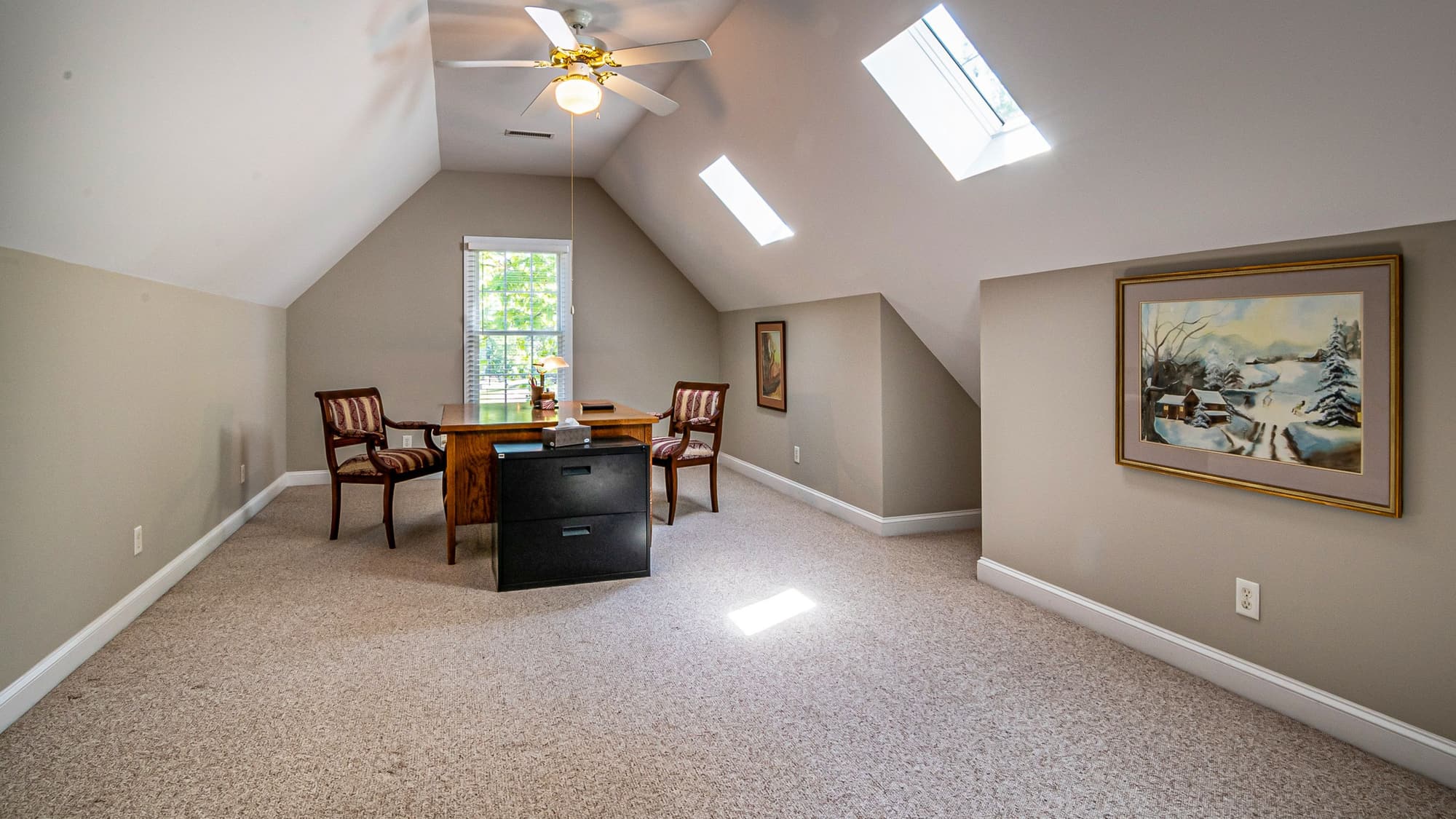
Here's the funny little name I promised: the FROG. It stands for Finished Room Over Garage, and you'll see it in listings all over the Grand Strand. It's flexible bonus space that does the job a finished basement did up north: a home office, a guest room, a playroom, a gym, a place for the treadmill you swear you'll use.
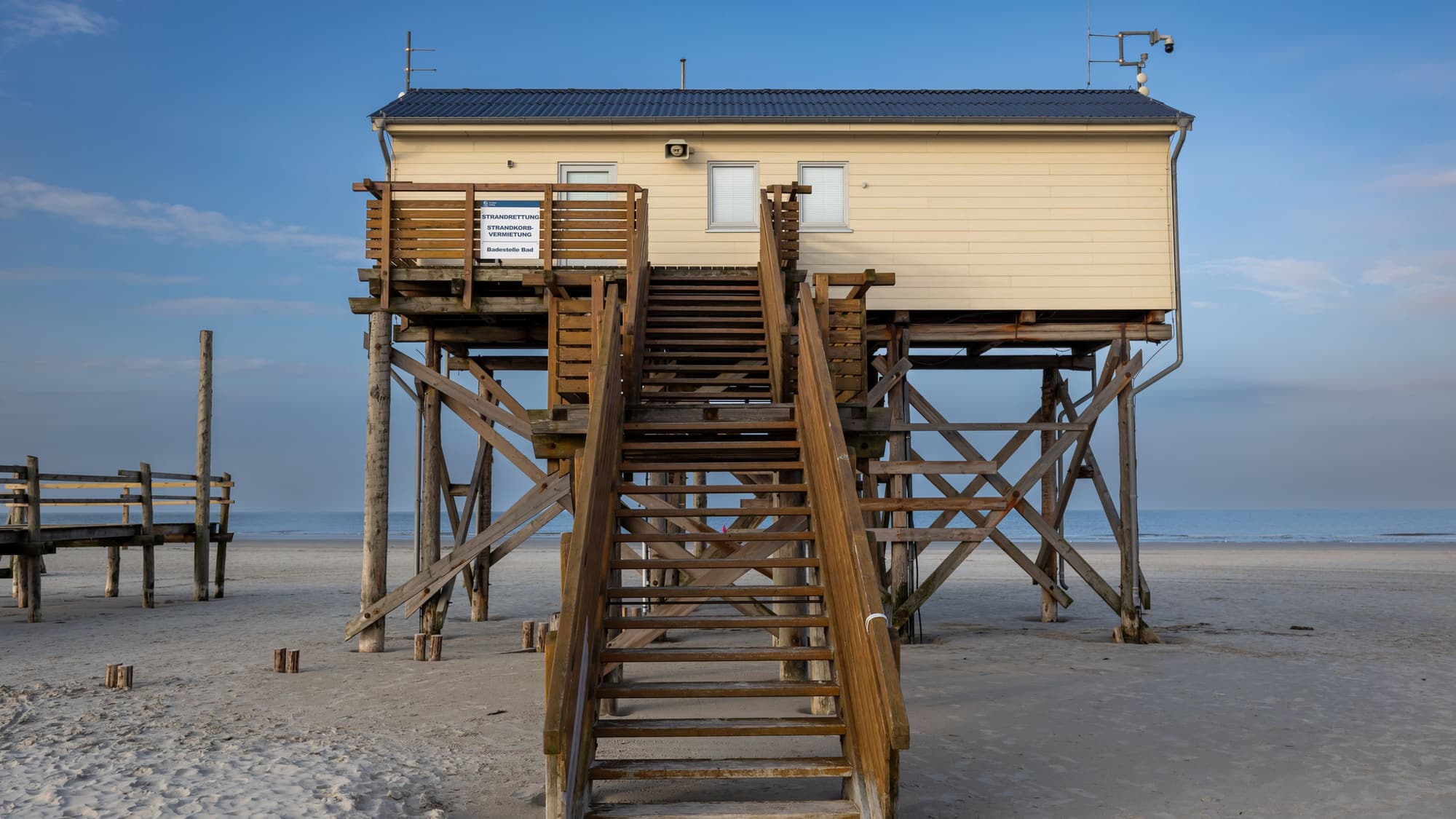
Otherwise, most homes here sit on a slab. And in flood-prone areas, especially close to the water, you'll see homes built up on pilings or raised foundations, with the living space lifted well above the ground. If you're looking anywhere near the water, it's worth reading up on flood zones before you fall in love with a house, because how high a home sits can matter a great deal for insurance.
My Honest Advice to Transplants
Let go of the basement expectation early. It'll save you some disappointment during showings. Instead, ask about:
- Attic storage, and whether it's floored and easy to reach
- Garage space, since plenty of garages here pull double duty as the storage room
- Whether there's a FROG, or room to add one
- Where the house sits relative to flood zones, if you're anywhere near water
And if you're truly set on a basement? It's not technically impossible in South Carolina, especially on sloped lots farther inland. Just know that on the coast you'd be paying a real premium for something that isn't structurally necessary and needs serious engineering to keep dry. Most people who move here decide pretty quickly it's not worth chasing, and a few months later, they couldn't tell you what they ever kept down there anyway.
Thinking about making the move to the Grand Strand?
Whether you're relocating from up north or planning your retirement on the South Carolina coast, I'd love to help you get there. Follow me on Facebook for more local tips, search Grand Strand listings right here on my site, and join one of my Facebook groups built specifically for people making this move: