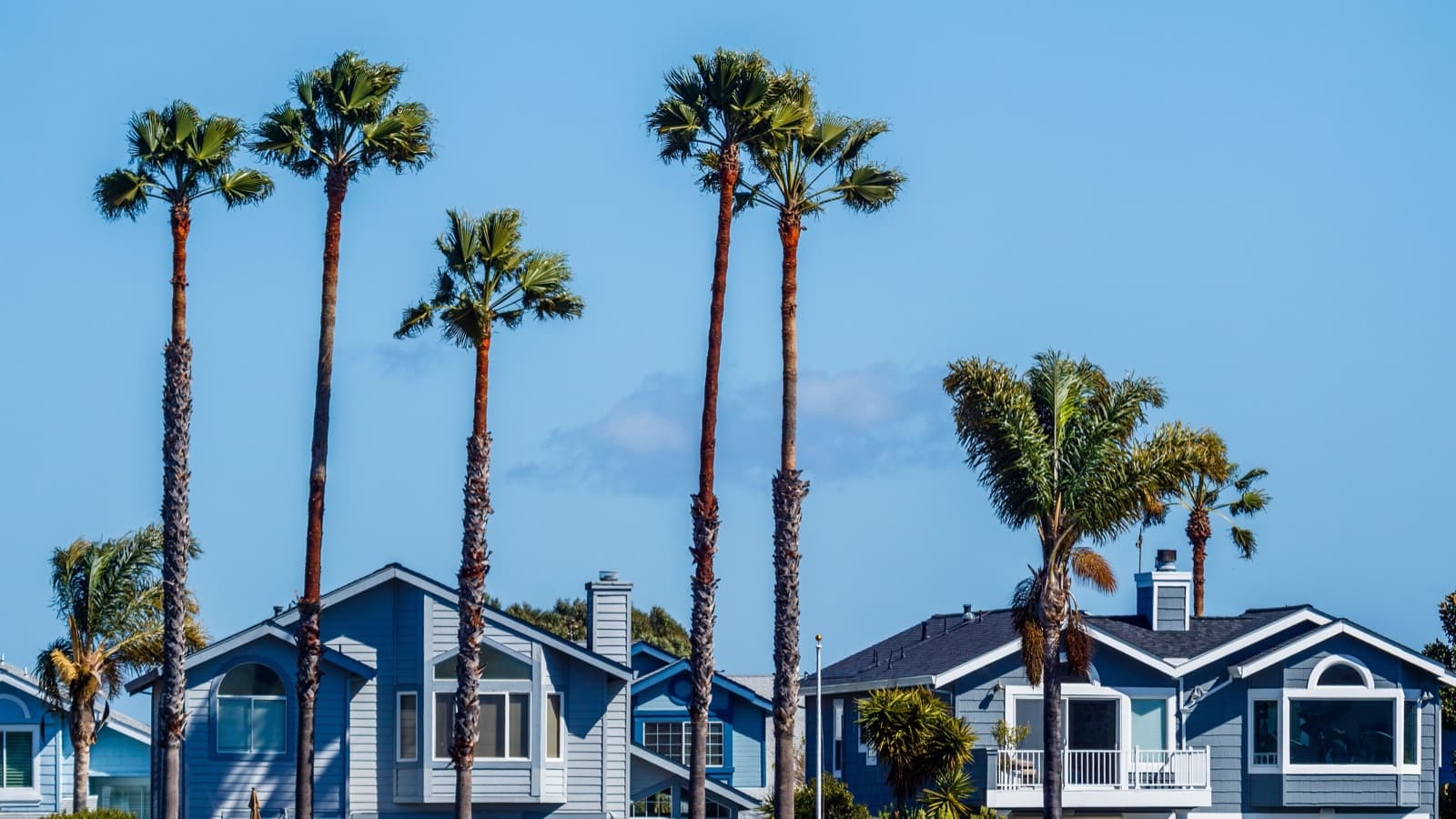
Everyone pictures the same thing when they imagine owning oceanfront property here. Coffee on the balcony, waves rolling in, the sound machine you no longer need because the real thing is right outside your window. And that picture is real. I've had clients cry happy tears standing on their new deck for the first time.
But before you fall in love with a listing photo, you should know this: there are two lines drawn across nearly every oceanfront lot on our coast. You can't see either one from the balcony. One of them decides what you're allowed to build, add, or even repair on your own property — and it doesn't stay put. It matters more than granite countertops ever will.
You Don't Own the Beach the Way You Think You Do
This surprises people every single time. In South Carolina, the state holds jurisdiction over the beach and dune system through what's called the Beachfront Management Act, and within that system there are those two invisible lines: a baseline and a setback line. The setback line sits landward of the baseline, and it's calculated using the average annual erosion rate for that stretch of beach, multiplied out over forty years. In plain English, the state looks at how fast the shoreline has been eating away in a given area and draws a line that assumes it'll keep doing that for the next four decades.

The Line That Moves
Anything seaward of that setback line falls under the state's direct permitting authority — today that's the Bureau of Coastal Management at the South Carolina Department of Environmental Services. That means additions, decks, and even certain repairs to your own home may need the state's approval before you can touch them.
And here's the part that catches buyers off guard: those lines are redrawn on a cycle of every seven to ten years, based on updated science.
A house that was comfortably landward of the line a decade ago can find itself sitting partly within it after the next review. This isn't a horror story, it's just physics and paperwork.
But you want an agent (and an attorney, if it's a bigger purchase) who understands it before you're under contract, not after.
Erosion and Renourishment Are Part of the Deal, Not a Red Flag by Themselves
Beaches move. That's what beaches do. The U.S. Army Corps of Engineers has run beach renourishment projects up and down our coast for decades, pumping sand back onto eroded stretches to protect both the natural dune system and the homes and hotels sitting behind it. Renourishment isn't a sign something's wrong with a property. It's ongoing maintenance for a naturally shifting coastline, the same way you'd expect a road to get repaved eventually.
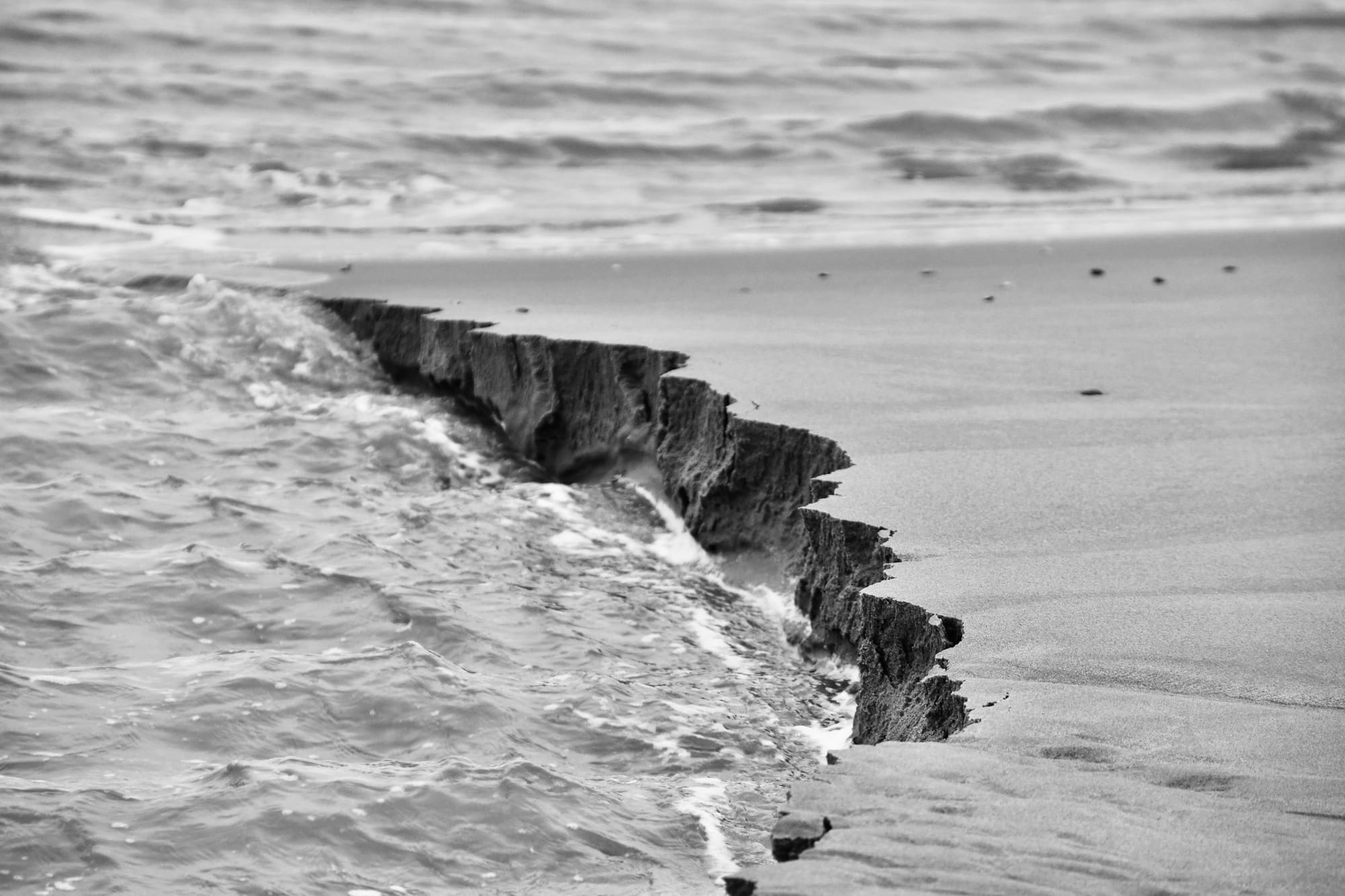
What you do want to know as a buyer is the historical erosion rate for that specific stretch of beach, because South Carolina law actually requires sellers of beachfront property affected by these jurisdictional lines to disclose that erosion rate in the sales contract. It's public information. Ask for it. A good agent will pull it before you ever fall in love with the view.
Luxury Oceanfront and Quiet, Out-of-the-Way Oceanfront Are Not the Same Market
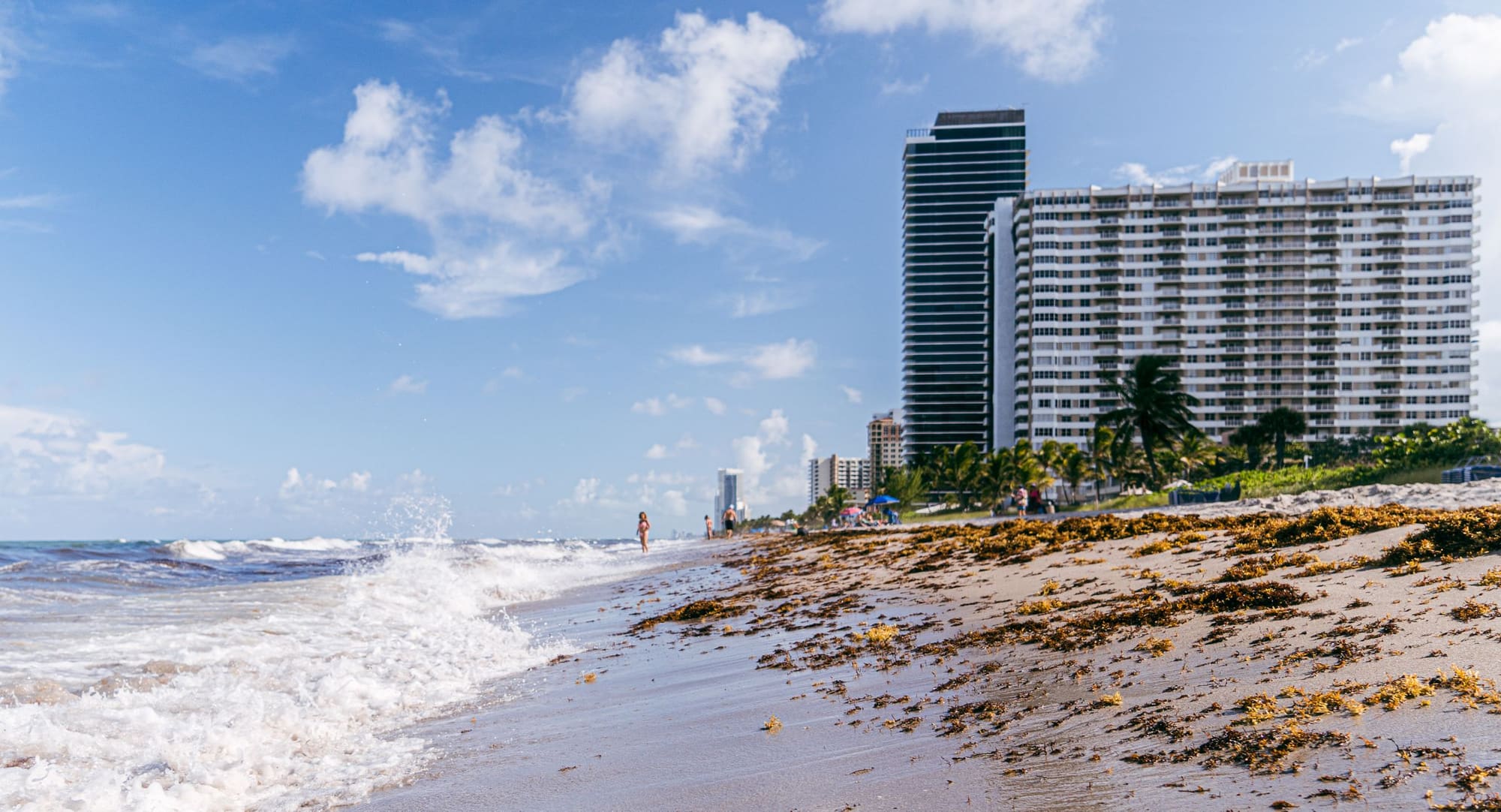
People assume "oceanfront" means one price bracket, and it doesn't, not even close. On one end you've got the high-rise luxury towers along the main stretch of Myrtle Beach and North Myrtle Beach, full amenity buildings with elevators, pools, concierge service, and views that go for well into seven figures for the right unit.
On the other end, tucked into quieter pockets like parts of Garden City, Cherry Grove, or unincorporated stretches of the Grand Strand, you can still find smaller, older beach cottages and low-rise condos that put you steps from the sand without the resort-tower price tag. (My Surfside Beach and Garden City guide covers that end of the coast.)
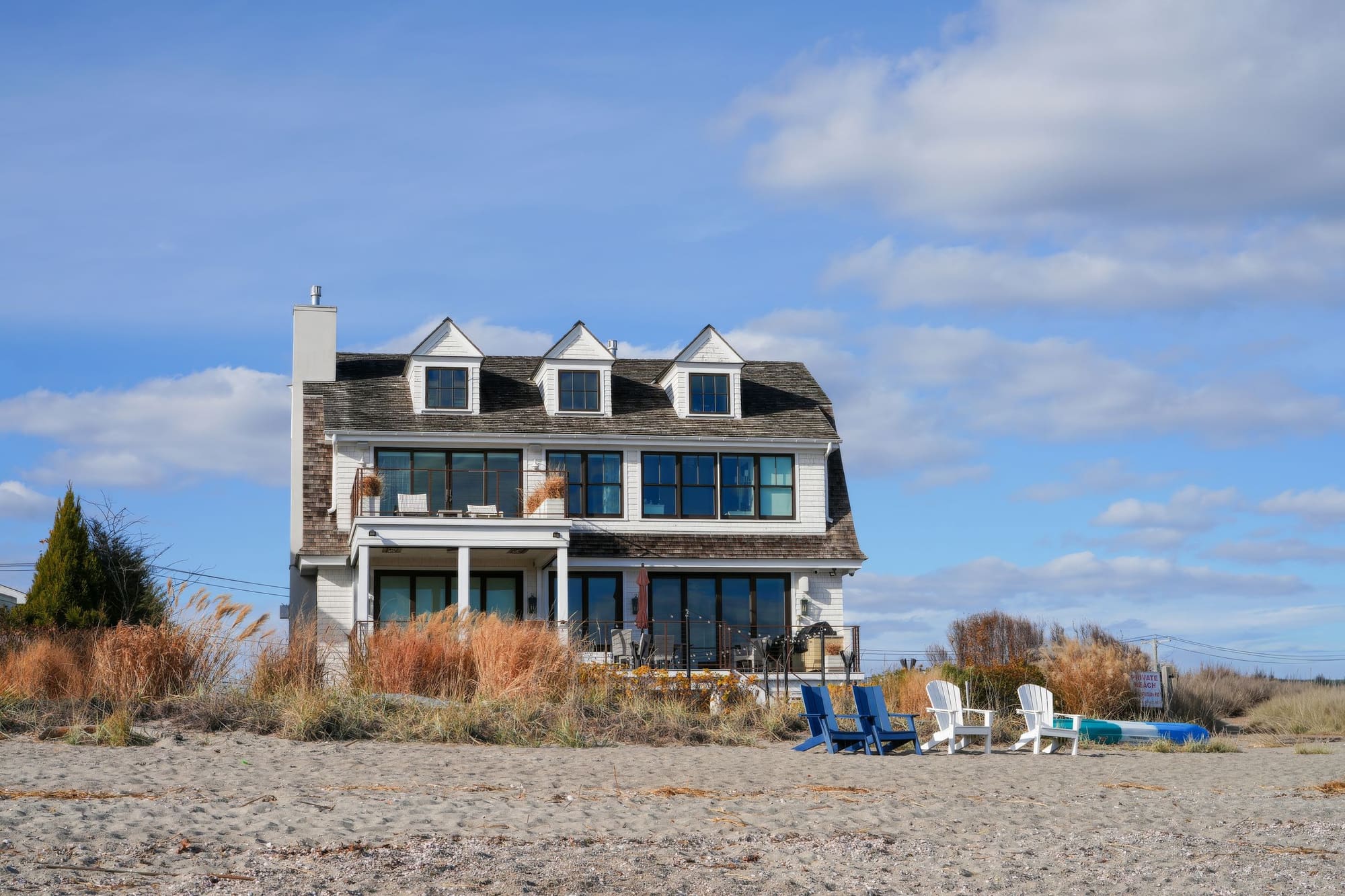
Both markets exist on the exact same coastline, sometimes just a few miles apart, and which one is right for you depends less on how much beach you want and more on what kind of life you're picturing when you get there. Quiet mornings with your own stretch of sand, or a full amenity building where you never have to leave the property. If it's the building, the association's insurance and reserves become your business too — I've written about that in my guide to buying a condo in Myrtle Beach.
What to Ask Before You Write an Offer
| Ask | Why it matters |
|---|---|
| Where do the baseline and setback line fall on this lot? | Building, adding on, and even some repairs seaward of the setback line can need the state's permission. |
| What's the erosion rate for this stretch of beach? | It's what the setback line is built from, and if the lot sits seaward of the state's lines, the sales contract has to disclose it. |
| When are the lines next due to be redrawn? | They're set anew every seven to ten years, and they can move. |
| What will insurance cost at this exact address? | Oceanfront means wind and flood coverage — see wind insurance and flood zones. |
The Bottom Line for Buyers
None of this is meant to scare you off oceanfront living. I've sold plenty of it, and the people who buy it rarely regret it. But going in with your eyes open on the setback lines, the erosion disclosure, the role the Corps of Engineers plays in keeping our beaches intact, and the real differences between luxury towers and low-key beach cottages will save you from surprises down the road. If you're seriously considering oceanfront property, that's exactly the kind of conversation I like to have before you ever write an offer, not after — so let's have it.
Thinking about making the move to the Grand Strand?
Whether you're relocating from up north or planning your retirement on the South Carolina coast, I'd love to help you get there. Follow me on Facebook for more local tips, search Grand Strand listings right here on my site, and join one of my Facebook groups built specifically for people making this move: