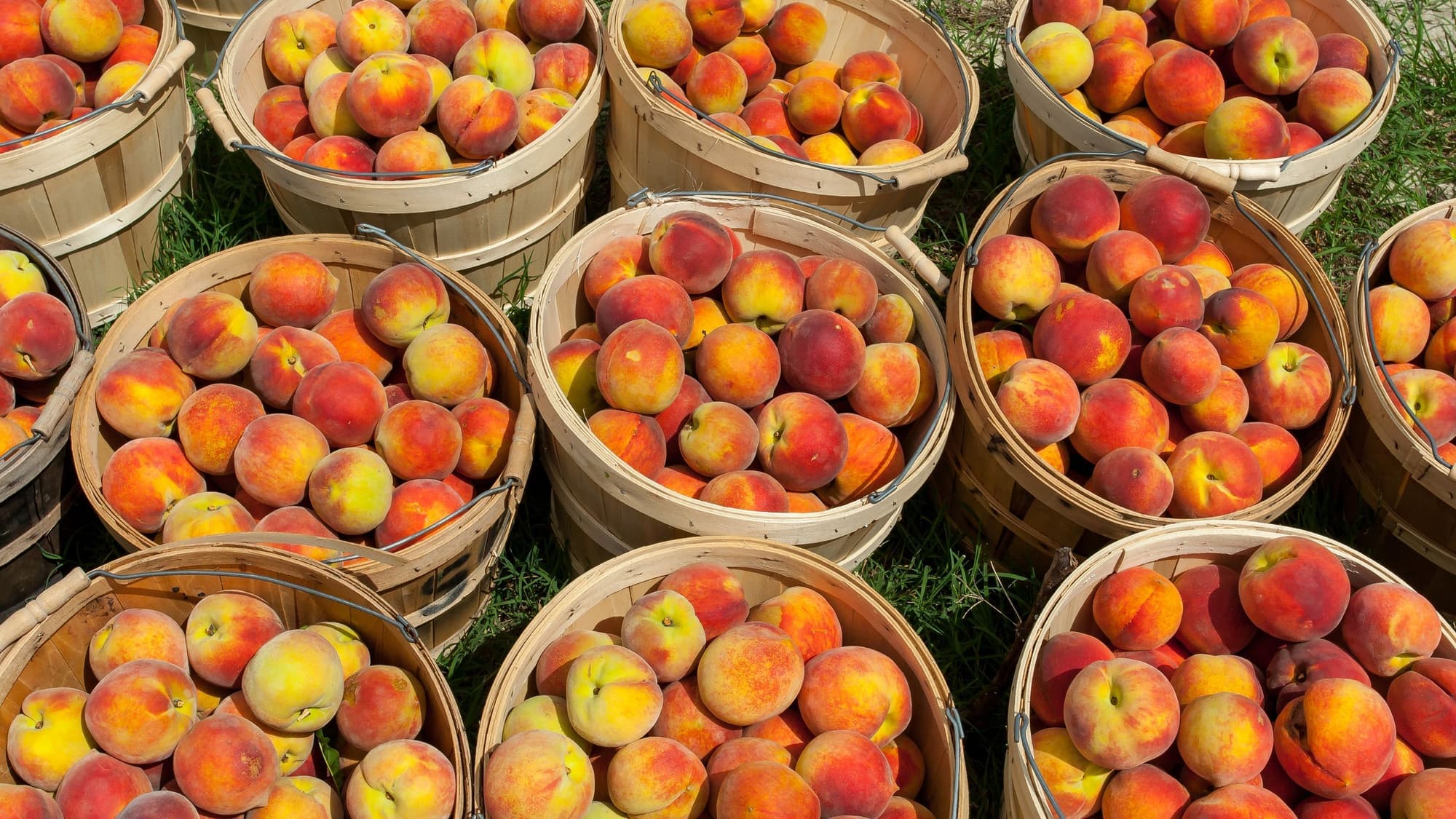
I need to get one thing out of the way immediately, because it will come up the moment you mention peaches to anyone who's lived here more than a summer: Georgia calls itself "The Peach State," and South Carolina finds this endlessly, gleefully annoying.
And I'll warn you now, I've got a small confession to make on Georgia's behalf before we're done. But first, the numbers.
The Actual Numbers, Since We're Being Honest
Here's the part that makes locals so smug about it. South Carolina grows more peaches than Georgia, and in recent years it hasn't been close. Only California grows more. That's why South Carolina has happily adopted the nickname "The Tastier Peach State" in response to Georgia's more famous branding.

To be fair, peach production swings a lot from year to year with the weather. A late freeze or an unusually warm winter can wipe out a huge share of a season's crop in either state, and 2023 was a rough one for both of us: Georgia's crop fell below 5,000 tons that year. But the general pattern, more peaches grown right here than in the state actually nicknamed after them, has held for a long time, and South Carolina's agriculture department is not shy about it.
Back in the summer of 2018, the South Carolina Department of Agriculture posted on Twitter that "SC actually harvests three times more peaches than GA." Georgia's farm marketing account fired back that its peaches were "3 X SWEETER." South Carolina's reply, in full:
"Bless your heart, @GeorgiaGrown"
That tells you everything about how seriously this rivalry is taken around here.
A Little History Behind the Fruit Itself
Peaches aren't native to the South at all. They come from China, where they've been grown for thousands of years. Spanish explorers brought them to the Americas starting in the 1500s, and here's that confession I promised: according to Clemson Extension, Spanish monks were planting peaches in Georgia by 1571, and Native Americans spread them across the Southeast from there, South Carolina included. So yes, fine. Georgia got a head start.
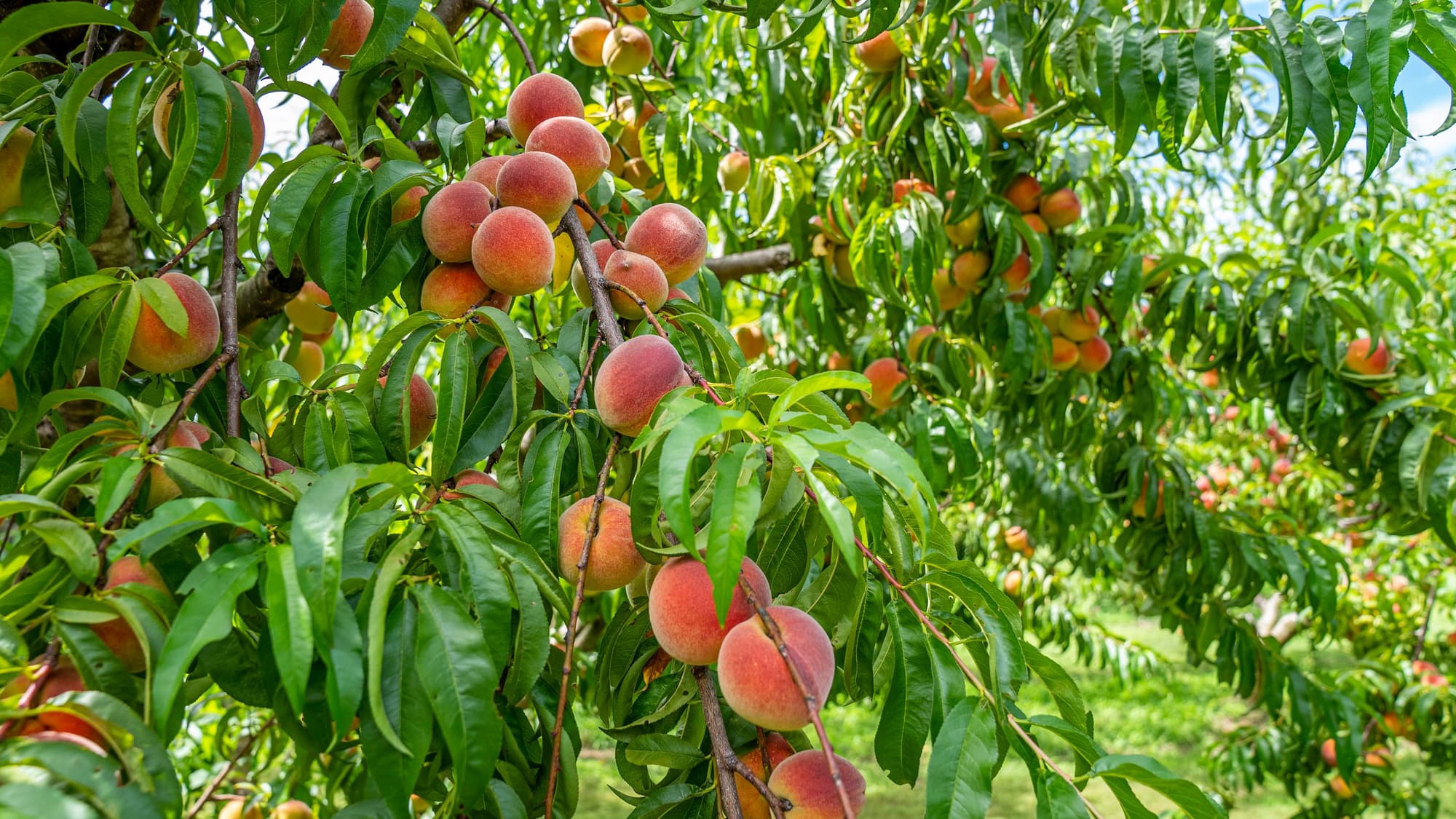
Peaches became an important commercial crop in the Southeast in the mid-1800s, and in the 1920s South Carolina's industry really took off, when a grower named Colonel R. B. Watson talked a group of asparagus farmers into planting peach orchards and the gamble paid off. Today peaches are such a defining part of South Carolina's identity that the legislature made the peach the official state fruit in 1984. The 2025 crop was worth about $131 million, according to USDA.
When to Actually Get Them Fresh
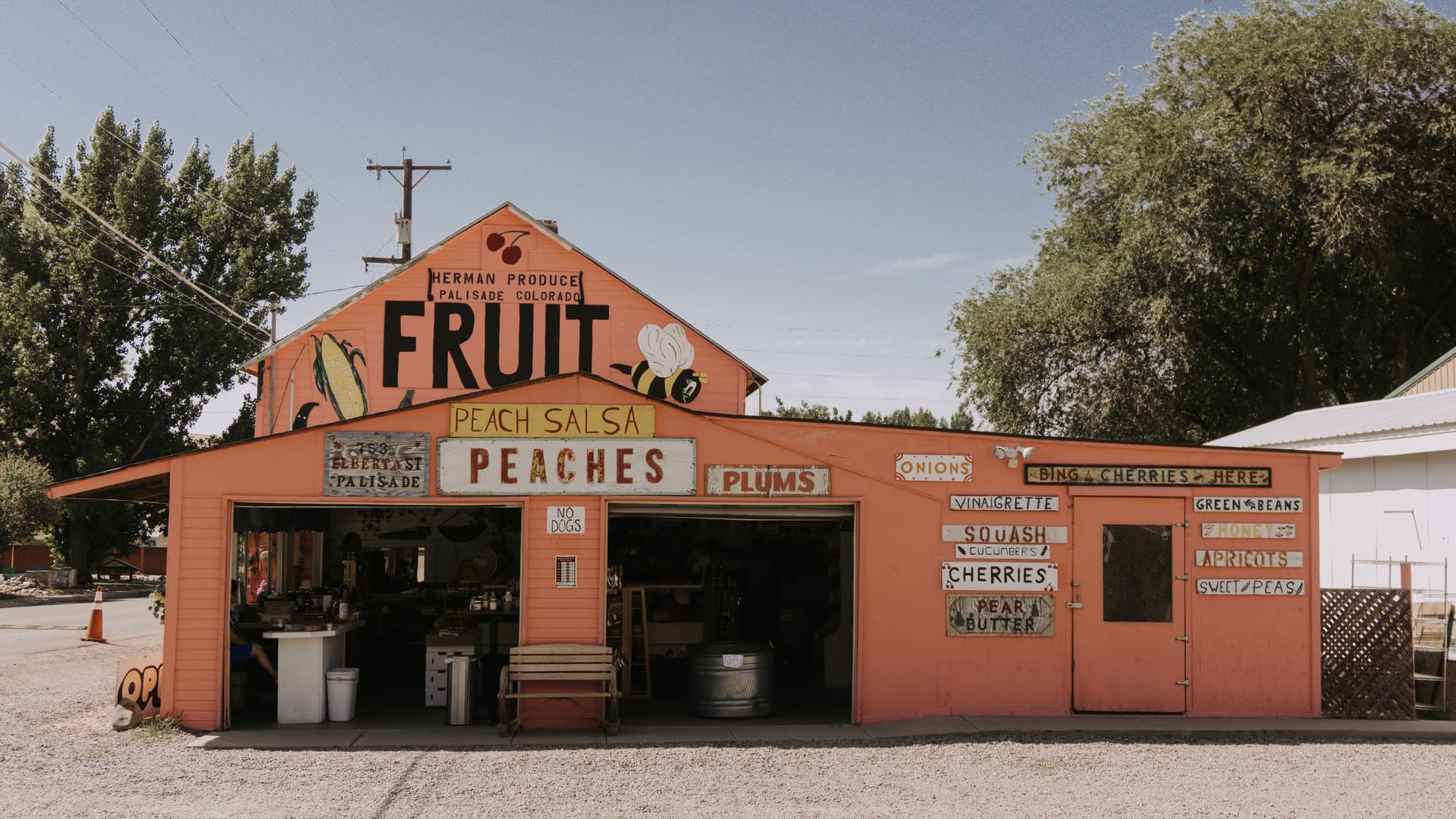
USDA puts South Carolina's peach harvest at roughly May through August. If you want the real experience rather than a grocery store version, find a local roadside stand or farm market instead of relying on a supermarket bin.
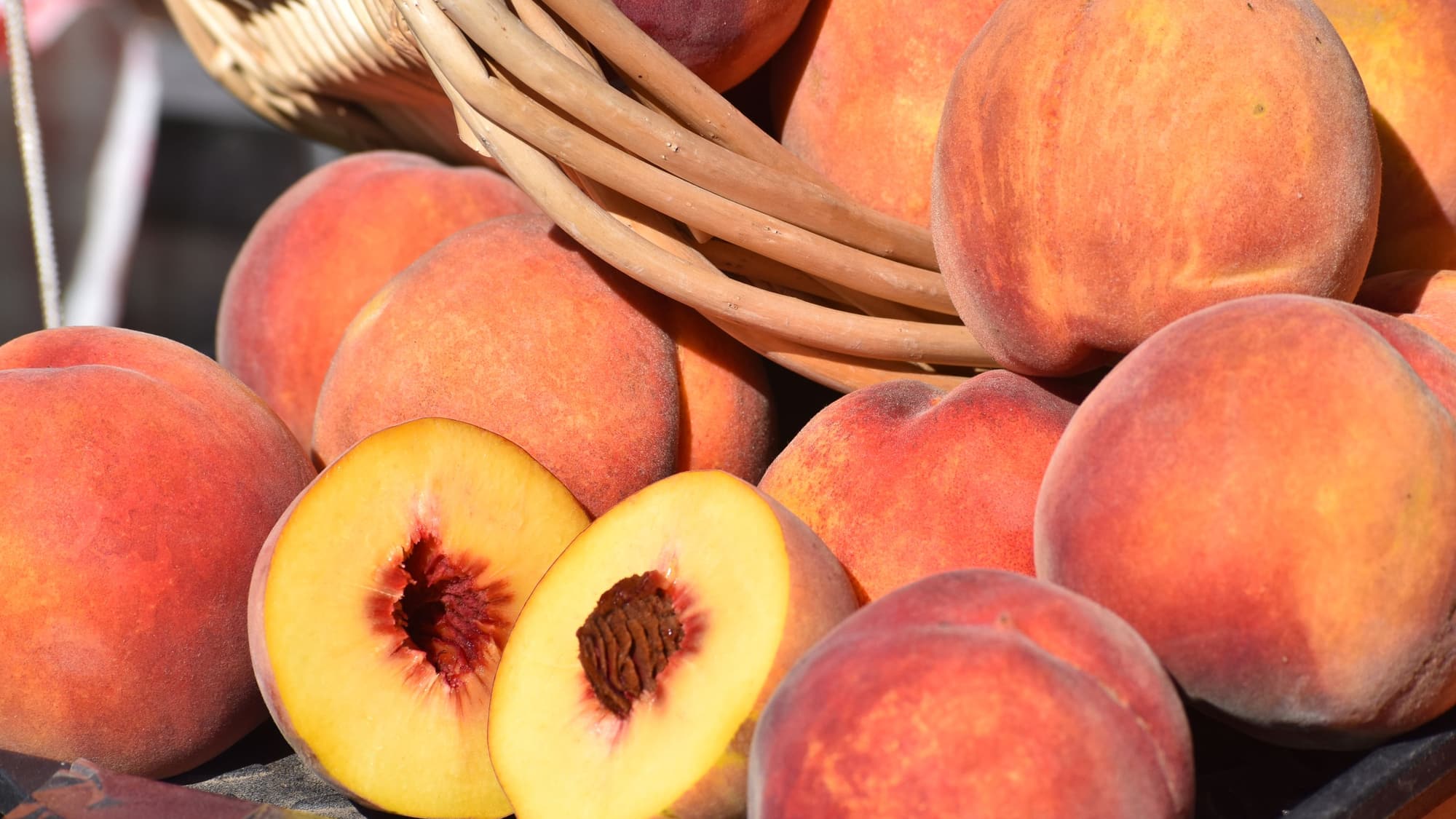
A truly ripe peach should give slightly to gentle pressure and smell noticeably sweet even before you cut into it. If it doesn't smell like anything, it's not ready yet.
My Favorite Way to Use Them: A Simple Peach Cobbler
This is the recipe I go back to every single summer. No fuss, no fancy technique, just really good peaches doing most of the work.
Ingredients
- 6 to 7 ripe South Carolina peaches, peeled and sliced
- 1 cup granulated sugar, divided
- 1 tablespoon fresh lemon juice
- 1 teaspoon ground cinnamon
- 1 cup all-purpose flour
- 1 tablespoon baking powder
- Pinch of salt
- 1 cup whole milk
- 1 stick (half a cup) unsalted butter, melted
Method
- Preheat your oven to 350 degrees.
- Toss the sliced peaches with half a cup of the sugar, the lemon juice and the cinnamon, and set them aside to let the juices start to release while you prep everything else.
- Pour the melted butter into the bottom of a 9x13 baking dish.
- In a separate bowl, whisk together the flour, baking powder, salt, the remaining half cup of sugar and the milk until you've got a smooth, thin batter.
- Pour the batter directly over the melted butter in the dish. Do not stir it together.
- Spoon the peaches and their juices evenly over the top of the batter, again without stirring. As it bakes, the batter rises up through the fruit on its own and forms a golden, slightly crisp top, while the peaches settle into a soft, syrupy layer underneath.
- Bake for 40 to 45 minutes, until the top is golden brown and set.
- Let it cool for at least fifteen minutes before serving, and don't skip the vanilla ice cream on top. It's not optional.
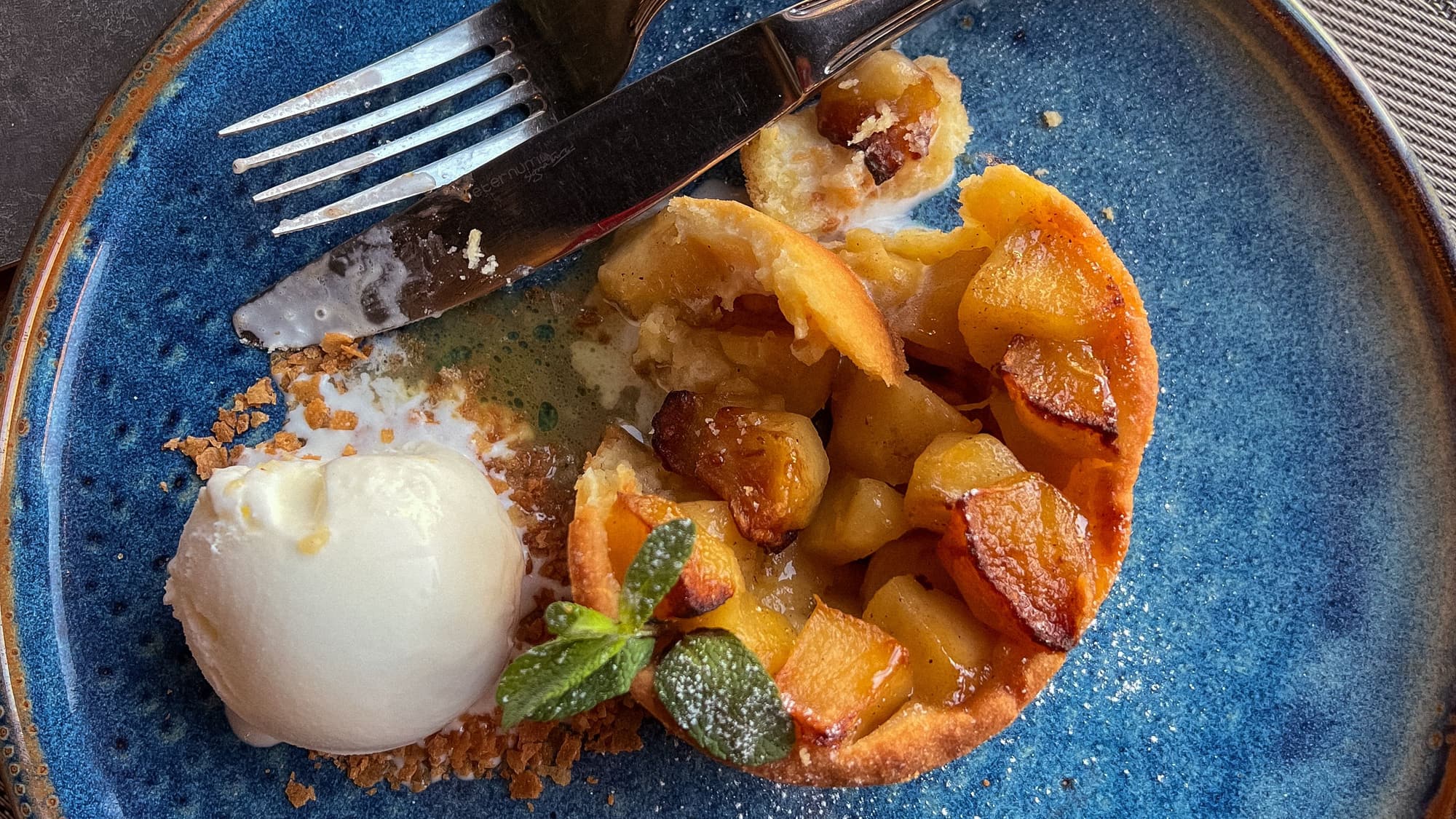
A Quick Word About Georgia's Version
If you've had a Georgia peach cobbler, you may notice ours leans a little less sweet and a little more toward showing off the fruit itself, at least in my kitchen, which honestly tracks with the whole rivalry. Georgia's marketing has always leaned into the peach as a symbol first. South Carolina's approach has always been a little more matter-of-fact: we grow more of them, and we'd like you to actually taste one before you decide who deserves the nickname.
Thinking about making the move to the Grand Strand?
Whether you're relocating from up north or planning your retirement on the South Carolina coast, I'd love to help you get there. Follow me on Facebook for more local tips, search Grand Strand listings right here on my site, and join one of my Facebook groups built specifically for people making this move: