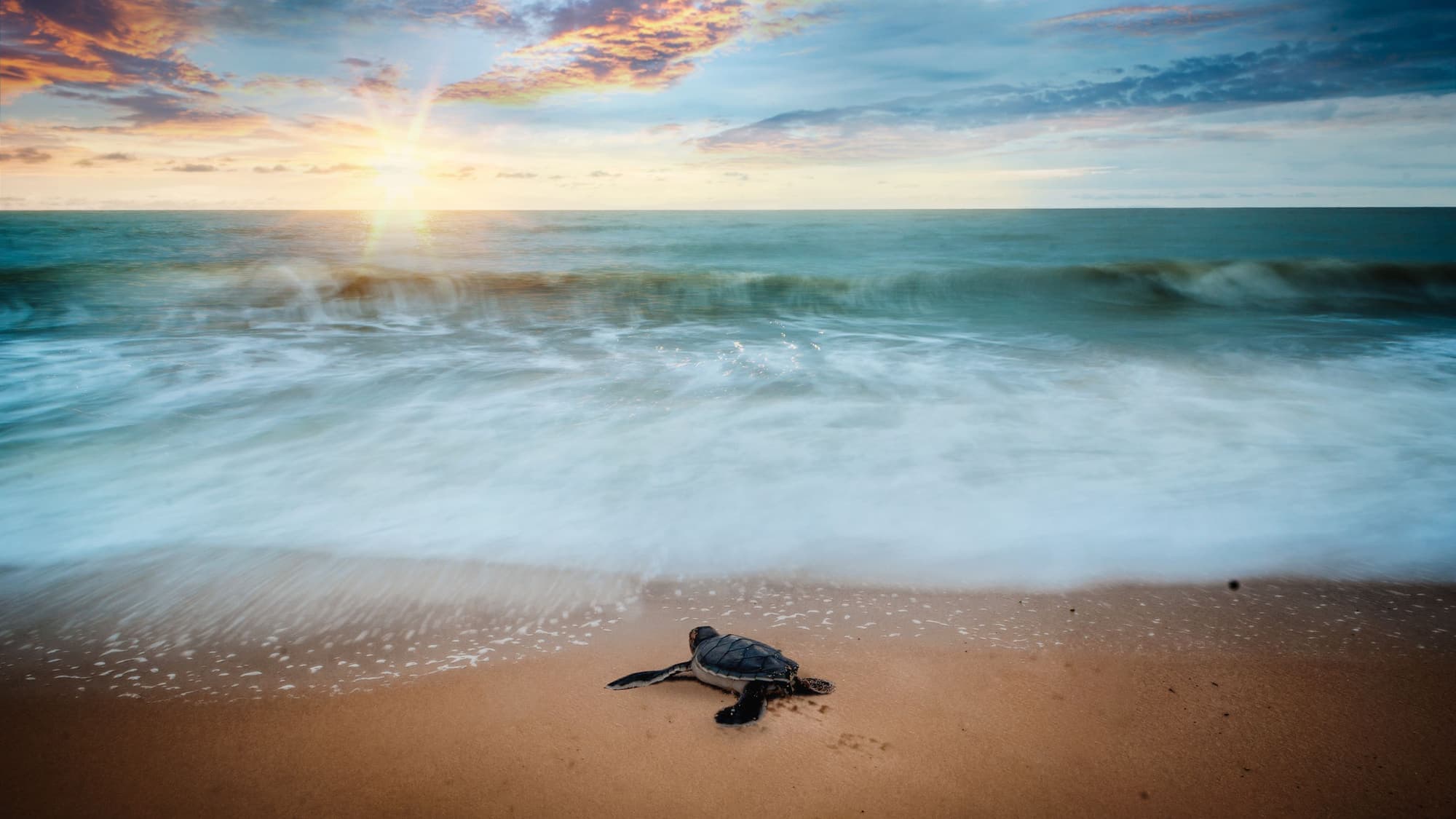
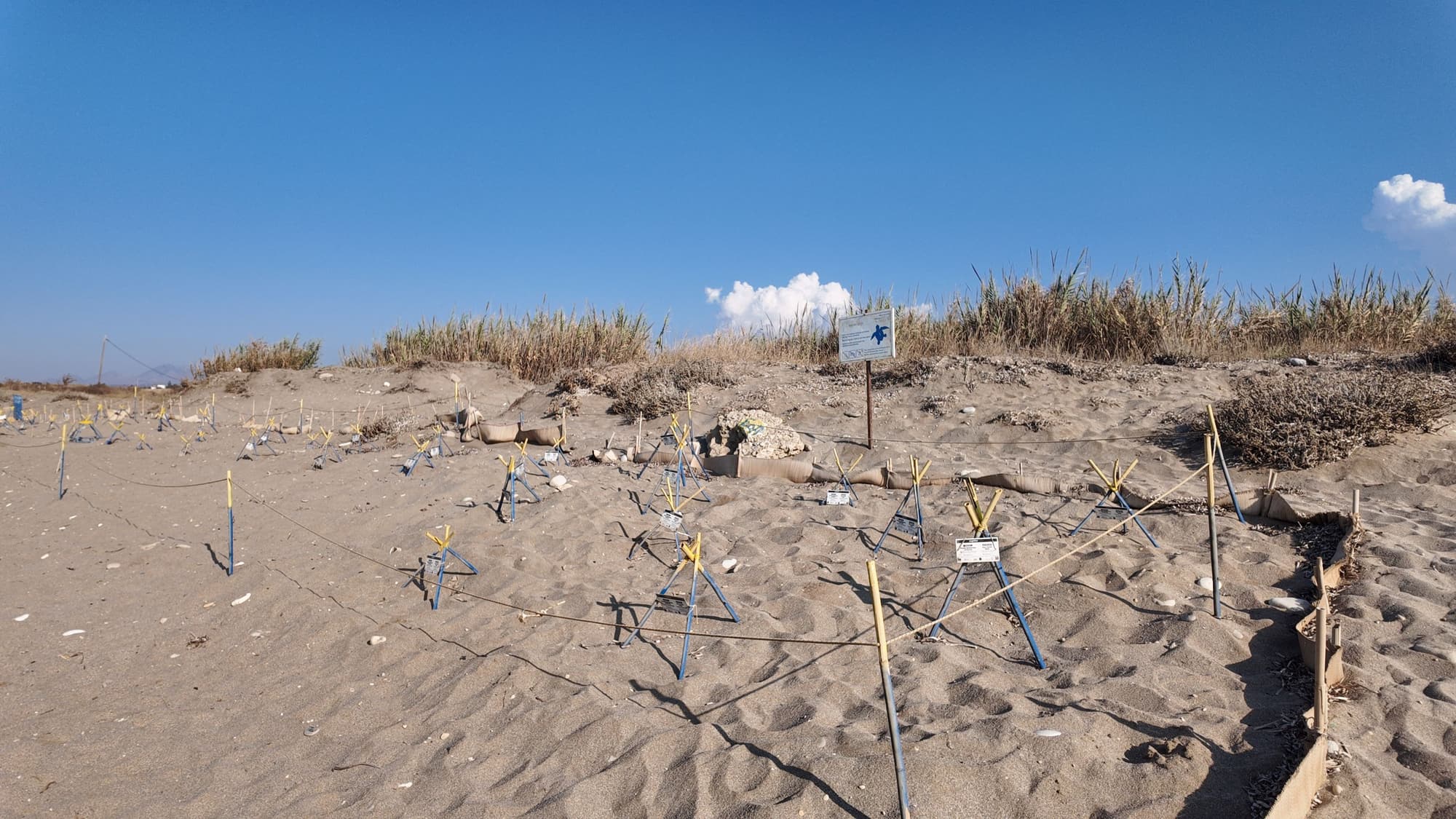
There's a stretch of every summer here where you'll be walking the beach, coffee in hand, and come across a small rectangle of sand roped off with orange tape and a couple of wooden stakes. No sign explaining much, no fanfare. Just a quiet little perimeter sitting there in the middle of an otherwise ordinary beach day. That's a sea turtle nest, and once you know what you're looking at, you start noticing them.
And if you're thinking about a place on the beach, stick with me to the part about porch lights. There's a rule that catches almost every new beachfront owner off guard, and whether it's actually written into law depends on which side of a county line your beach sits.
It Happens Closer to the Boardwalk Than You'd Think
If you move here between May and August, you're arriving right in the middle of nesting season. Loggerhead sea turtles, the species you'll most commonly hear about along our coast, come ashore at night to dig nests and lay their eggs, and it happens closer to hotel towers and beachfront homes than most new residents expect. This isn't some far-off wildlife refuge phenomenon. It's happening on the same beaches where people are setting up umbrellas the next morning.
And 2026 has been a big one. As of late August, the South Carolina Department of Natural Resources had counted 7,946 loggerhead nests statewide, already one of the highest totals on record, with only the 2019 record of 8,775 still ahead of it. The numbers bounce around a lot from year to year, because loggerheads typically nest every two to three years rather than every summer, so a dip isn't a disaster and a spike isn't a miracle. But this summer has been a good one.

Here's the part that surprised me, though. Most of those nests aren't on our beaches at all. The big numbers come from the wild, undeveloped barrier islands farther down the coast. Up here, we count them in the dozens:
| Beach | Loggerhead nests, 2024 | Loggerhead nests, 2025 |
|---|---|---|
| Waties Island | 20 | 9 |
| North Myrtle Beach | 19 | 16 |
| Myrtle Beach | 7* | 6* |
| Surfside Beach | 3 | 2 |
| Garden City | 6 | 7 |
| Huntington Beach State Park | 32 | 5 |
| All of South Carolina | 4,812 | 3,902 |
*A minimum count: SCDNR notes this beach isn't surveyed every day. Figures from SCDNR's annual Marine Turtle Program reports.
Which is exactly why every single nest here gets treated like a small celebrity. When your whole town has a couple of dozen of them in a good year, people notice each one.
Volunteers keep a close watch on these nests all summer, monitoring them, marking them and protecting them until they're ready to hatch. Around here that's groups like the North Myrtle Beach Sea Turtle Patrol and the Garden City/Surfside Sea Turtle Guardians, working alongside the state. If you'd like to see the season up close and done right, Huntington Beach State Park runs nature programs through the warm months (I've written up both of our state parks side by side if you want to make a day of it), so keep an eye on its programs calendar.
Why the Lighting Rules Matter
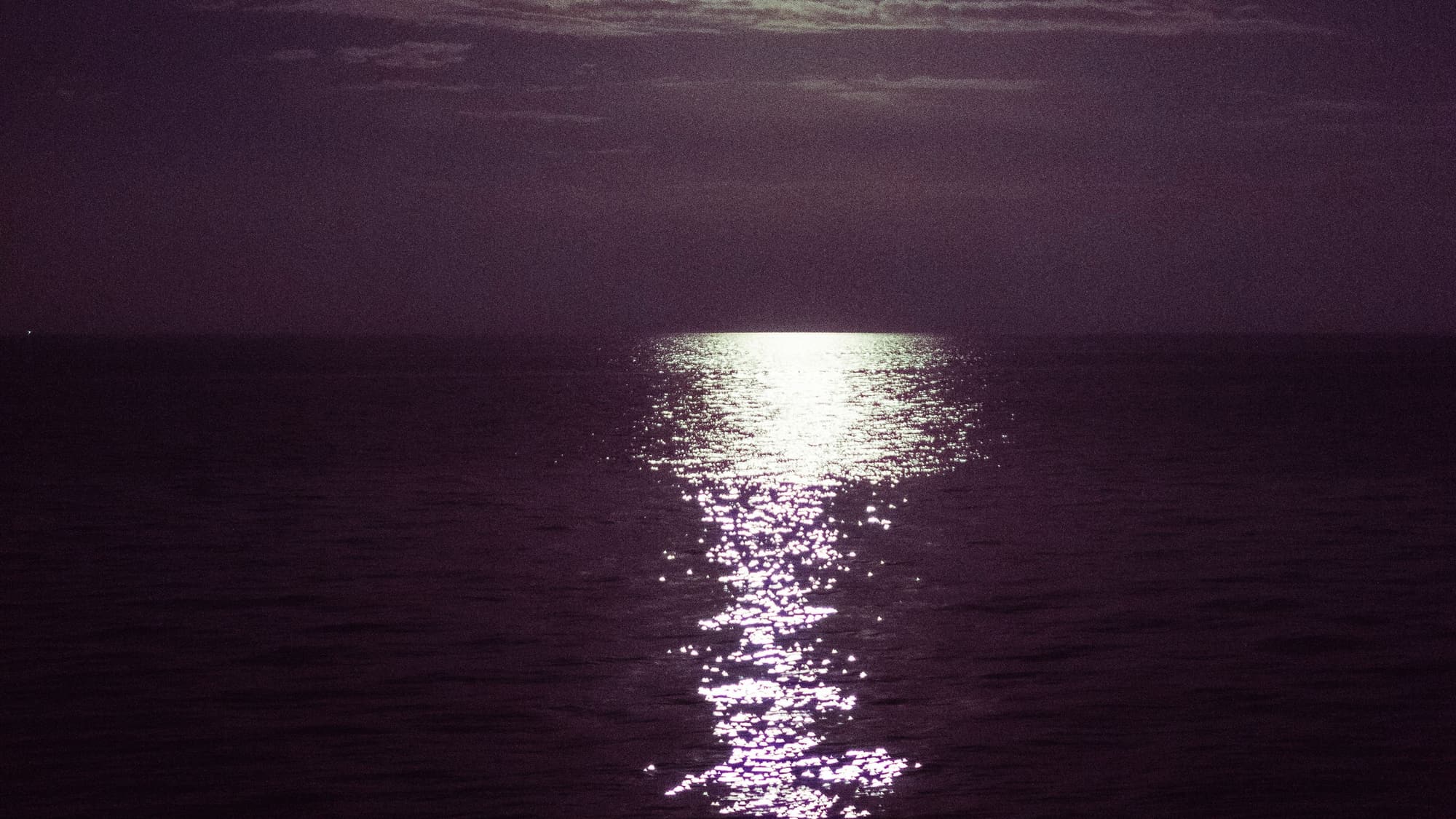
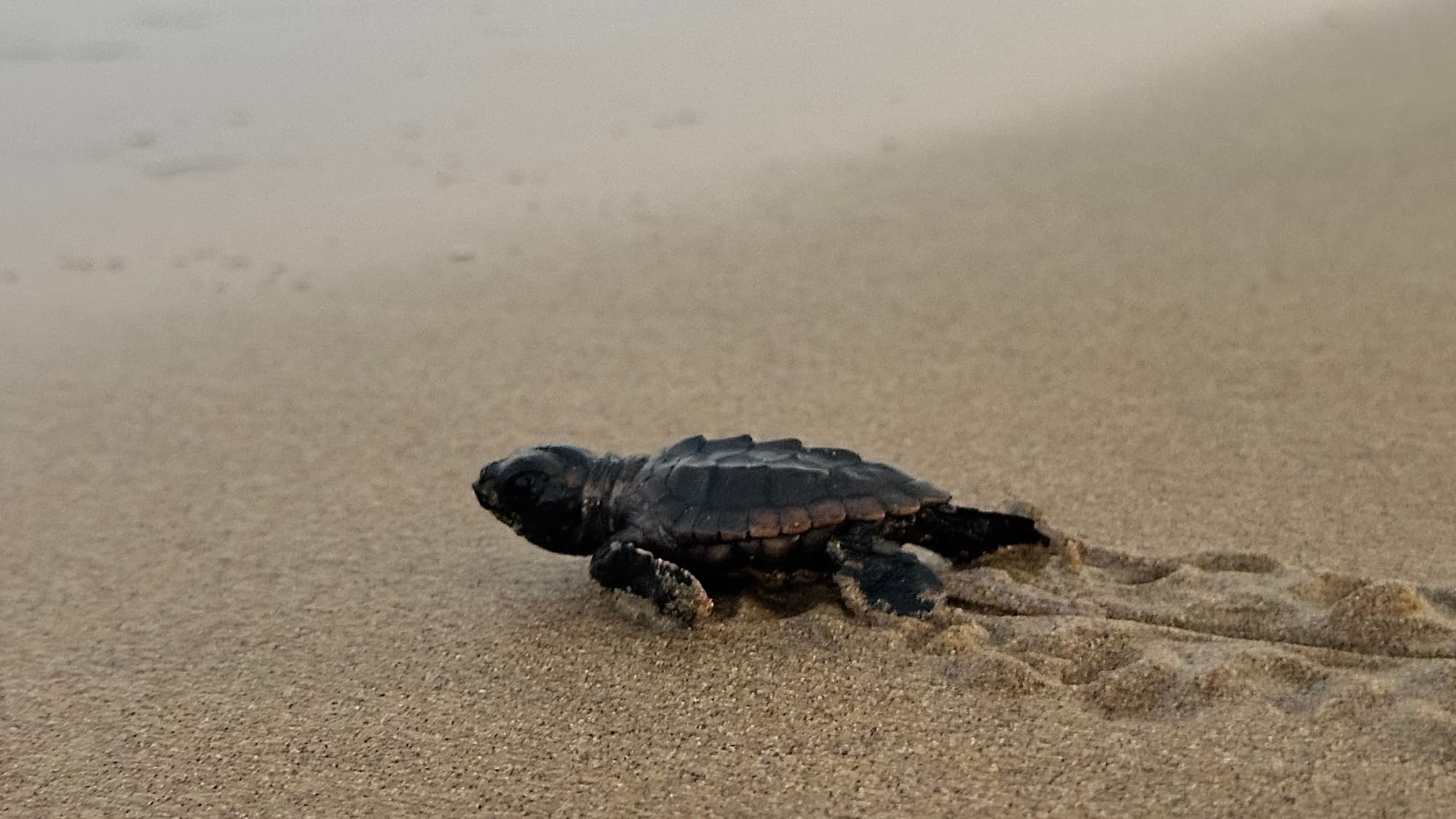
Here's the detail that surprises a lot of transplants. Sea turtle hatchlings find their way to the ocean by heading toward the brightest, most open horizon, which under natural conditions is moonlight and starlight reflecting off the water. Artificial light from homes, hotels, streetlights, even a porch light left on, can confuse that instinct entirely, pulling hatchlings inland instead of out to sea, where they burn through the energy they need and become easy pickings for predators.
That's why you'll sometimes see "turtle-friendly lighting" mentioned in HOA guidelines or beachfront rental rules during nesting season. It's not an arbitrary rule. Dimming or shielding exterior lights that face the beach between May and October is one of the simplest things a resident can do to help a nest of hatchlings actually make it.

Now, the rule I promised you. According to the state's most recent list of local sea turtle protections (SCDNR's, dated April 2024), Horry County doesn't have a turtle lighting ordinance. North Myrtle Beach, Myrtle Beach and Surfside Beach have rules about clearing things off the beach, but not about your lights. Cross into Georgetown County, down around Huntington Beach State Park, Litchfield and Pawleys Island, and there's an actual beach lighting ordinance on the books.
On most of the Grand Strand, turtle-friendly lighting isn't the law. It's just what good neighbors do.
So if you're looking at an oceanfront property, ask two questions: what the county and town require, and what the HOA or regime requires. In a lot of beachfront communities, people take it seriously enough that it becomes part of the culture, not just a line in the rules.
It Becomes Part of How You Experience Summer Here
I've watched this happen with client after client. The first year, sea turtle nests are a curiosity, something you point out to visiting family. By the second or third summer, people start genuinely tracking them. Neighbors mention which nests are getting close to their hatch window. A local Facebook group lights up when a nest finally hatches. It becomes a small, shared summer ritual, the kind of thing that quietly makes you feel less like someone who lives near the beach and more like someone who's actually responsible for it.
If you ever spot a nest yourself, the only real rule is the simplest one: look, admire, keep your distance, and leave the tape and the stakes exactly where you found them. Loggerheads are protected by state and federal law, and if you see a nest that's been disturbed or a turtle in trouble, SCDNR's hotline is 1-800-922-5431. The volunteers who protect these nests all summer are doing quiet, unglamorous work that makes a real difference, and giving them the space to do it is the easiest way to be a good neighbor to an animal whose family has been swimming these oceans for about 110 million years, since the time of the dinosaurs, which predates basically everything else on this coastline, houses included.
Thinking about making the move to the Grand Strand?
Whether you're relocating from up north or planning your retirement on the South Carolina coast, I'd love to help you get there. Follow me on Facebook for more local tips, search Grand Strand listings right here on my site, and join one of my Facebook groups built specifically for people making this move: