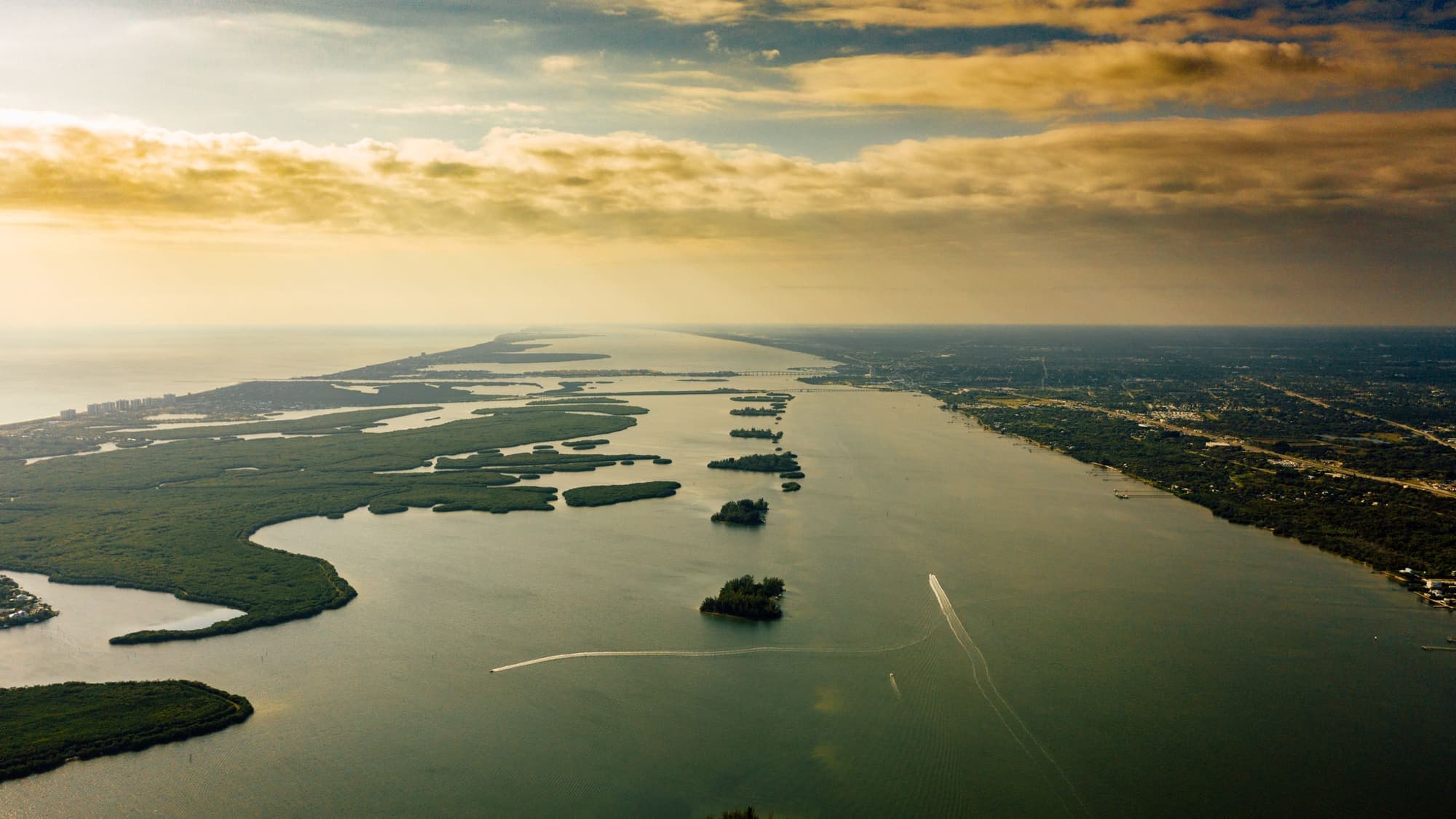
Almost everyone who visits the Grand Strand comes for the ocean. Fair enough, it's the whole draw. But almost nobody realizes there's a second, completely different waterfront running quietly behind the coast, and depending on what kind of life you're picturing here, it might honestly be the better one to actually live on.
There's also a navigation rule out there that sounds completely backwards until someone explains it. Hang on to that one; I'll get to it.
A Protected Route That Started as a Wartime Idea
The Intracoastal Waterway, or ICW, is a protected inland route made up of natural rivers, sounds and creeks connected by man-made canals. It lets boaters travel long distances without ever heading out into open ocean, and the Atlantic section alone runs more than 1,243 miles, from Norfolk, Virginia, all the way to Key West. The idea goes back more than two centuries and picked up real momentum around the War of 1812, when the British naval blockade made a protected inland shipping route feel less like a convenience and more like a national necessity. In 1824 Congress gave the U.S. Army Corps of Engineers a hand in improving the nation's navigation, and the Corps still maintains our stretch of the waterway today, which makes the ICW one of the longer-running infrastructure stories in the country, and one most people driving over its bridges never give a second thought.
Right here along the Grand Strand, the waterway runs about 62 miles, from the North Carolina state line near Little River down to Georgetown, through long man-made cuts and then the Waccamaw River. That effectively makes our stretch of coast its own kind of island, separated from the mainland by water most tourists never even notice from the beach.
Why It Matters If You're Picturing a Boat
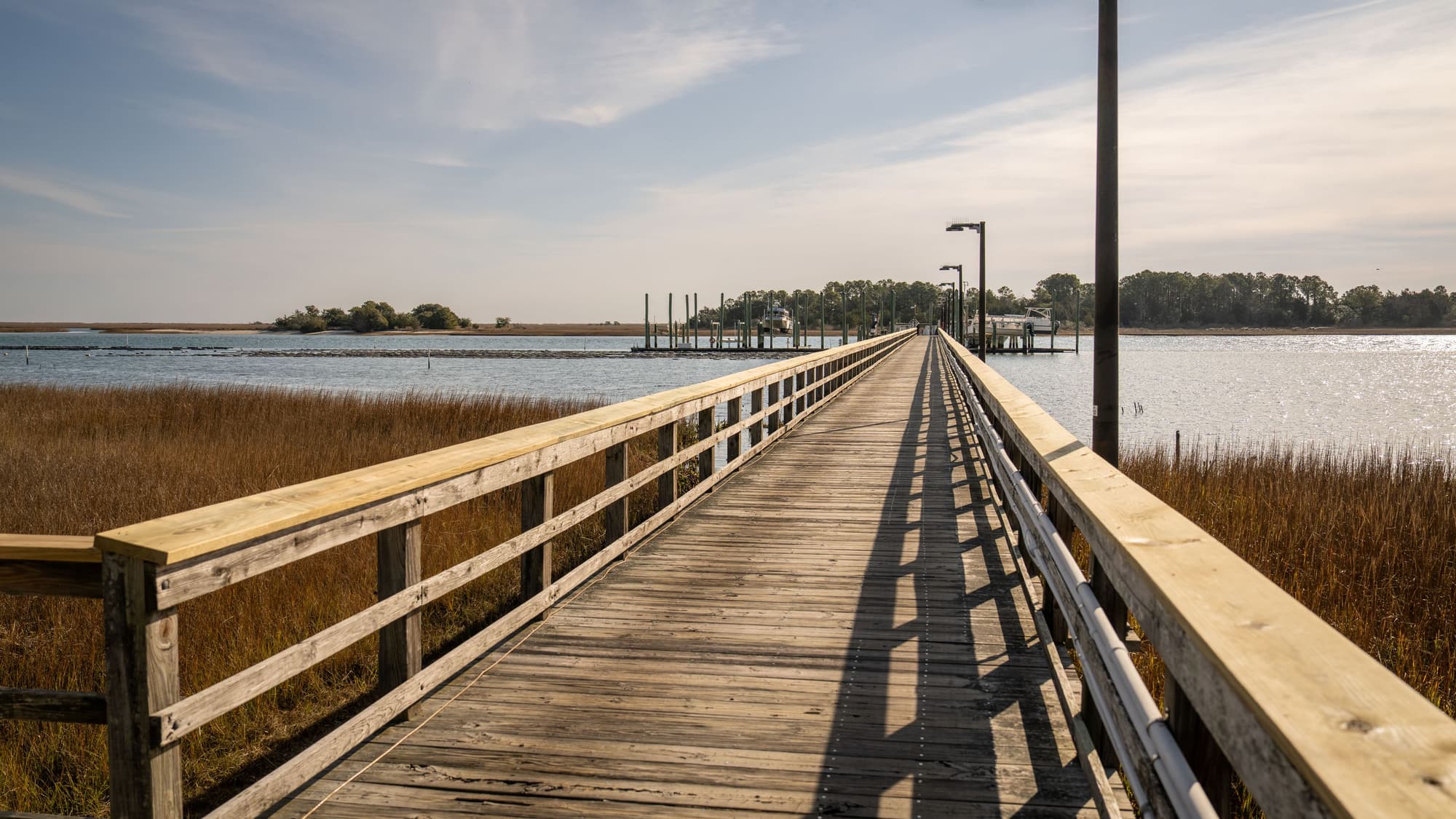
Unlike the ocean side, the ICW is calm. No real waves, no seasickness, no pounding surf to fight through. That makes it the water of choice for pontoon boats, jet skis, paddleboards, kayaks and slow evening cruises, the kind of boating that's about scenery and quiet rather than adrenaline. If you've ever wondered why some of the area's nicest neighborhoods and marinas back up to a glassy, quiet stretch of water instead of the open ocean, that's almost always the ICW.
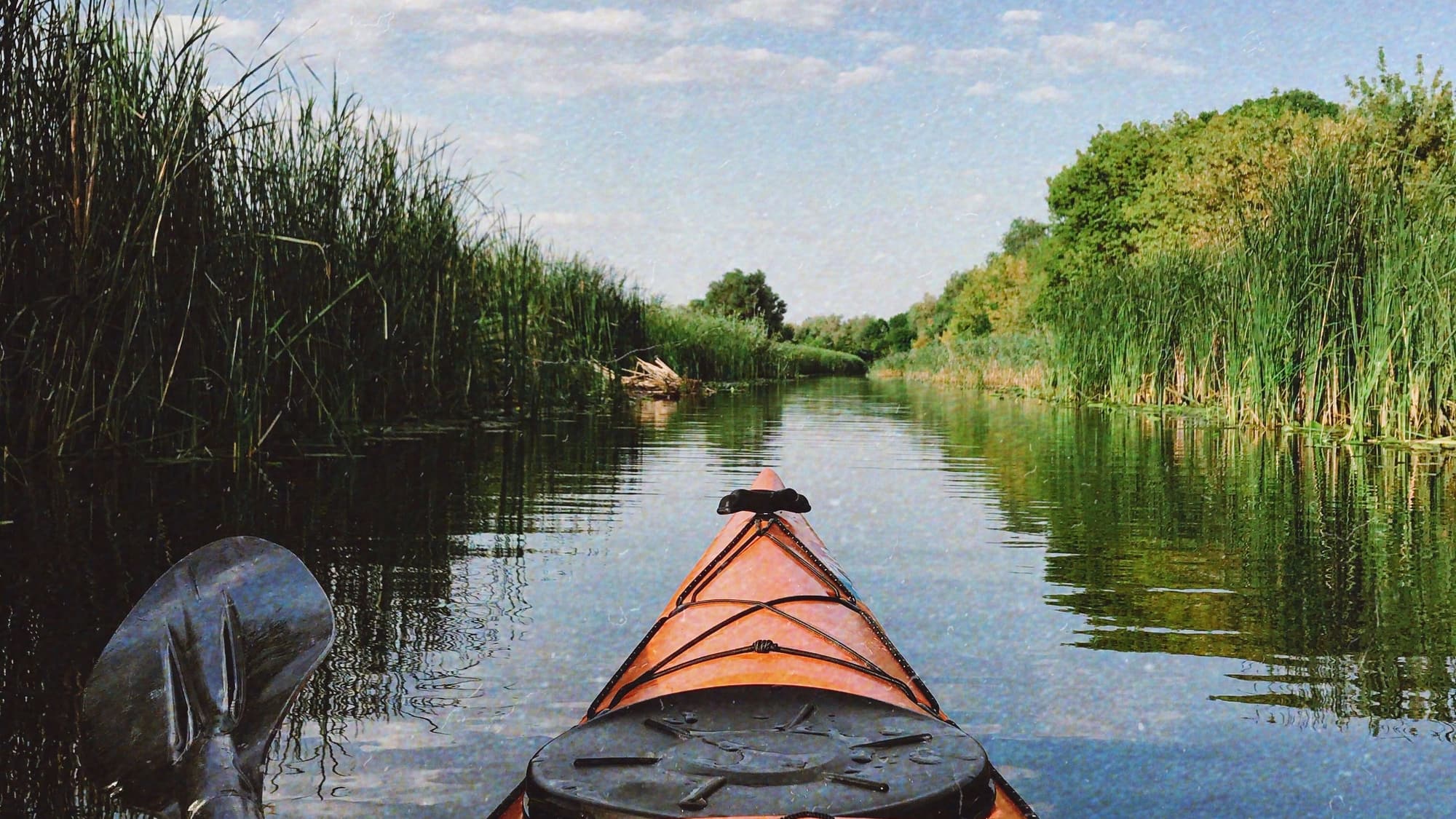
That last caption isn't a joke, by the way. If you paddle the marshy edges, it's worth reading my honest take on alligators first.
A Few Things That'll Make You Sound Like You've Spent Time on It
Boaters measure distance on the ICW in statute miles, the same miles on your car's odometer, not the nautical miles almost everything else at sea uses. The count starts at zero in Norfolk and climbs as you head south, so by the time the waterway reaches us it's well into the 300s. Locals and marinas will casually reference a mile number the way you'd give a highway exit.

Now, the rule I promised. The ICW's markers carry little yellow symbols, and when you're heading south along the Atlantic coast, you keep the yellow triangles on your right (starboard) and the yellow squares on your left (port). The part that scrambles people's brains is that this holds true regardless of the marker's own color or number. A green marker with a yellow triangle on it still goes on your right, which took me a minute to fully understand the first time someone explained it to me.
| Heading south on the ICW | What it means |
|---|---|
| Yellow triangle | Keep this marker on your right (starboard), whatever color the marker itself is |
| Yellow square | Keep this marker on your left (port), whatever color the marker itself is |
| Yellow horizontal band | Just tells you the marker belongs to the ICW; no left or right information |
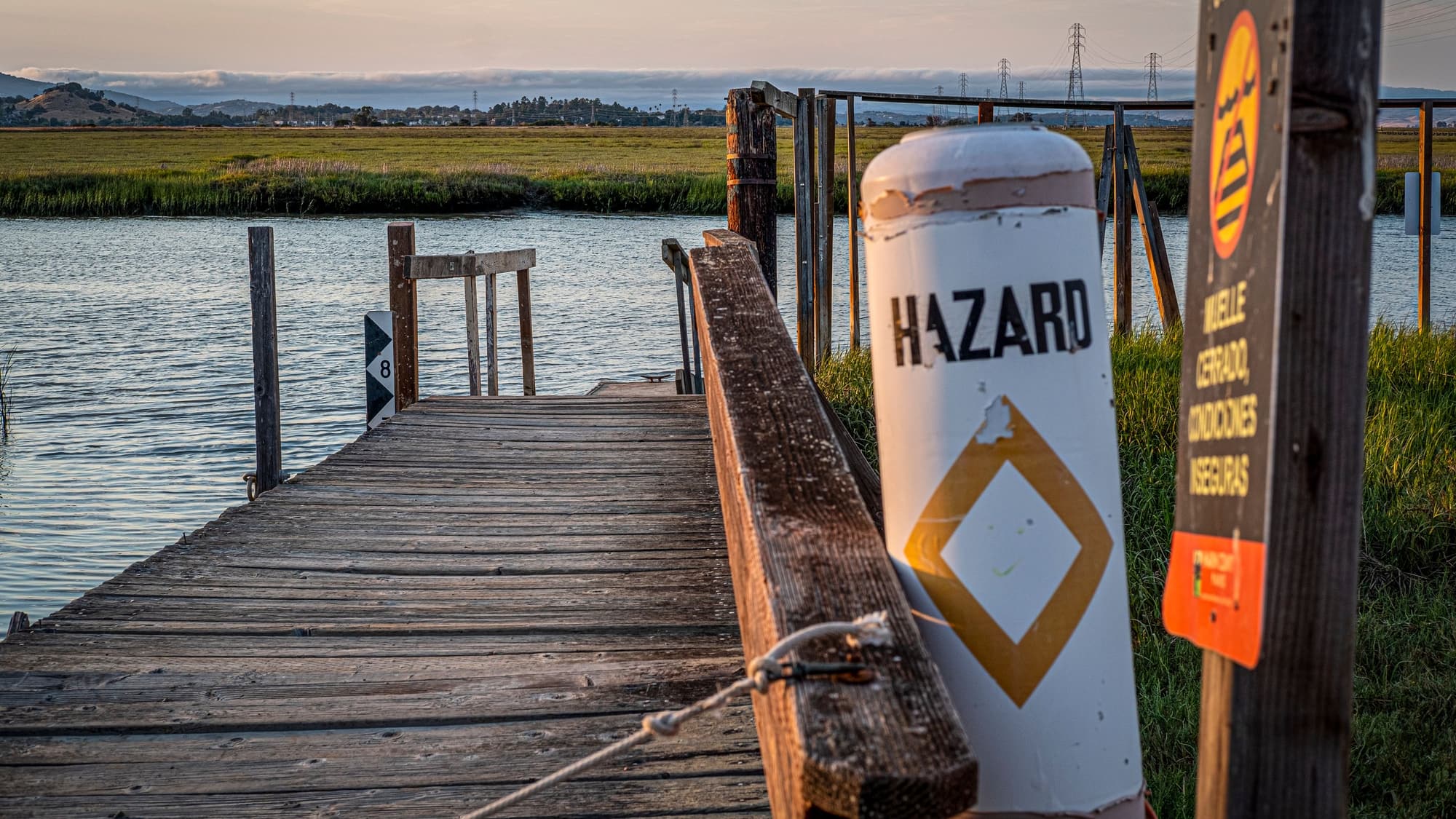
Speed and wake are a genuinely serious issue on the water here, more than new boat owners usually expect. Certain stretches, especially near marinas, bridges and residential docks, are marked as no-wake zones, meaning boaters are expected to slow down to avoid rocking docked boats, eroding the shoreline and endangering paddlers nearby. This isn't just etiquette, it's enforced, and it's one of the more common sources of friction between different kinds of boaters sharing the same narrow channel.
And while you're learning the waterway, learn its bridges. A few of ours still swing open for taller boats, including the Little River bridge and the Socastee bridge. If you've ever sat in traffic on a warm afternoon wondering why the road just pivoted sideways, now you know.
Sleeping on the Water, and the Seasonal Migration Most People Never Notice
For longer trips, plenty of boaters actually live aboard for stretches at a time, docking overnight at marinas and tucking into protected spots along the ICW as they work their way up or down the coast. Twice a year, our stretch of the waterway sees a real seasonal migration: boats heading south to Florida for the winter in the fall, then working their way back north again each spring. Locals sometimes call it "snowbird season on the water," and it brings a noticeable bump in activity to marinas and waterfront restaurants along the route both times. If you're reading this in the fall, go stand on a waterfront deck for an hour. You'll see it.
Why This Matters If You're House Hunting Here
If oceanfront property feels out of reach, or you're wary of the erosion, the state setback lines and the insurance costs that come with true beachfront, a home on or near the ICW is worth a serious look. You still get real water views and direct boating access, and the beachfront setback line isn't part of the conversation.
You still get the water. You just trade the surf for a sunset.
It isn't a regulation-free zone, though, and I'd be doing you a disservice if I said it was. Docks and anything built out over the marsh need their own state permits, so ask whether an existing dock was permitted before you fall in love with it. And water is water: check the flood zone on any waterfront home, and get a real flood insurance quote before you make an offer.
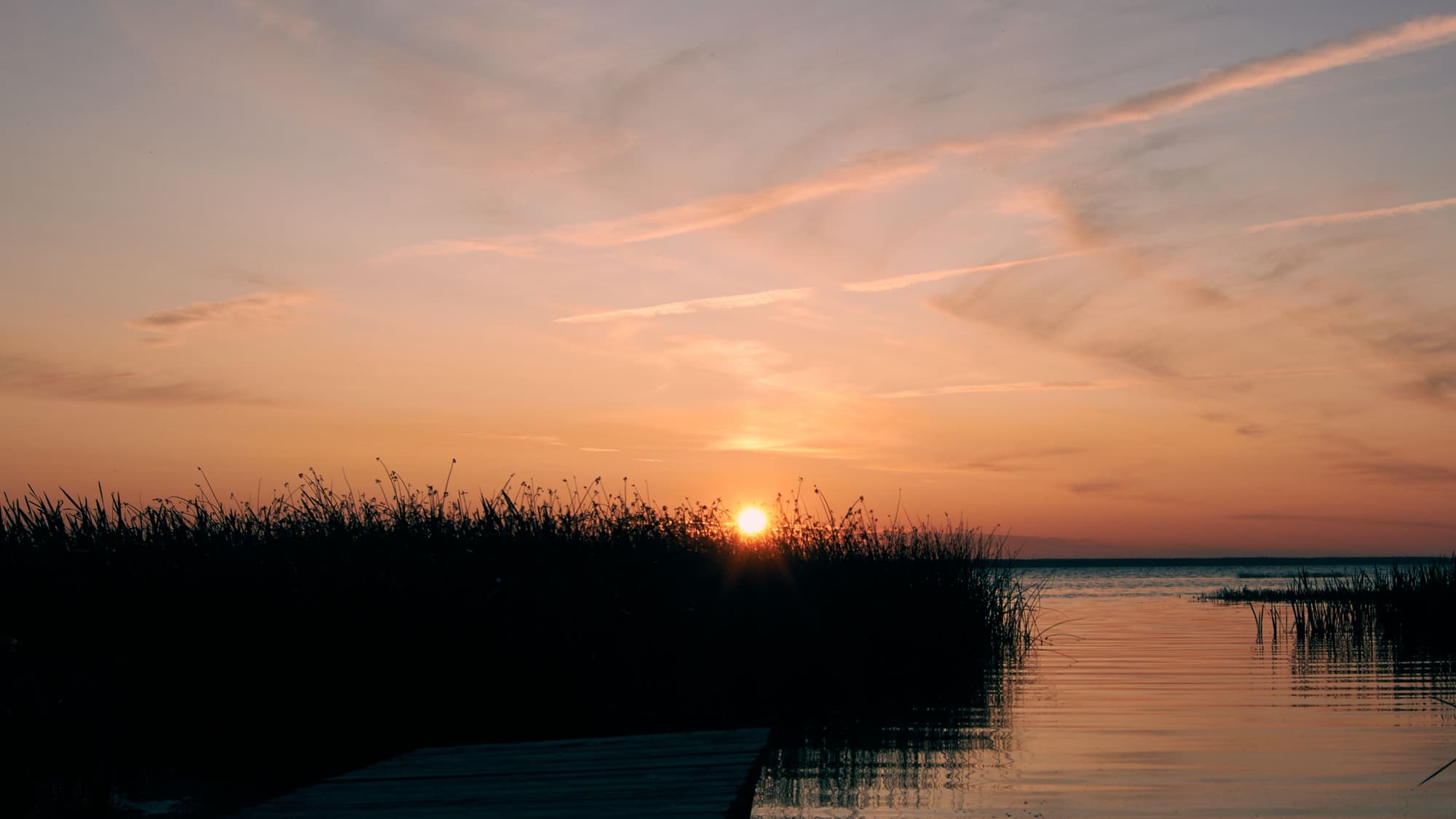
It's calmer in every sense of the word. Spend one evening cruising the waterway as the sun drops behind the marsh grass, and you might find yourself reconsidering just how much of your heart you'd already given to the ocean side.
Thinking about making the move to the Grand Strand?
Whether you're relocating from up north or planning your retirement on the South Carolina coast, I'd love to help you get there. Follow me on Facebook for more local tips, search Grand Strand listings right here on my site, and join one of my Facebook groups built specifically for people making this move: